Study on the factors influencing the impaired abilities of daily living in middle-aged and older adult arthritis patients based on binary logistic regression and categorical decision tree model
Abstract
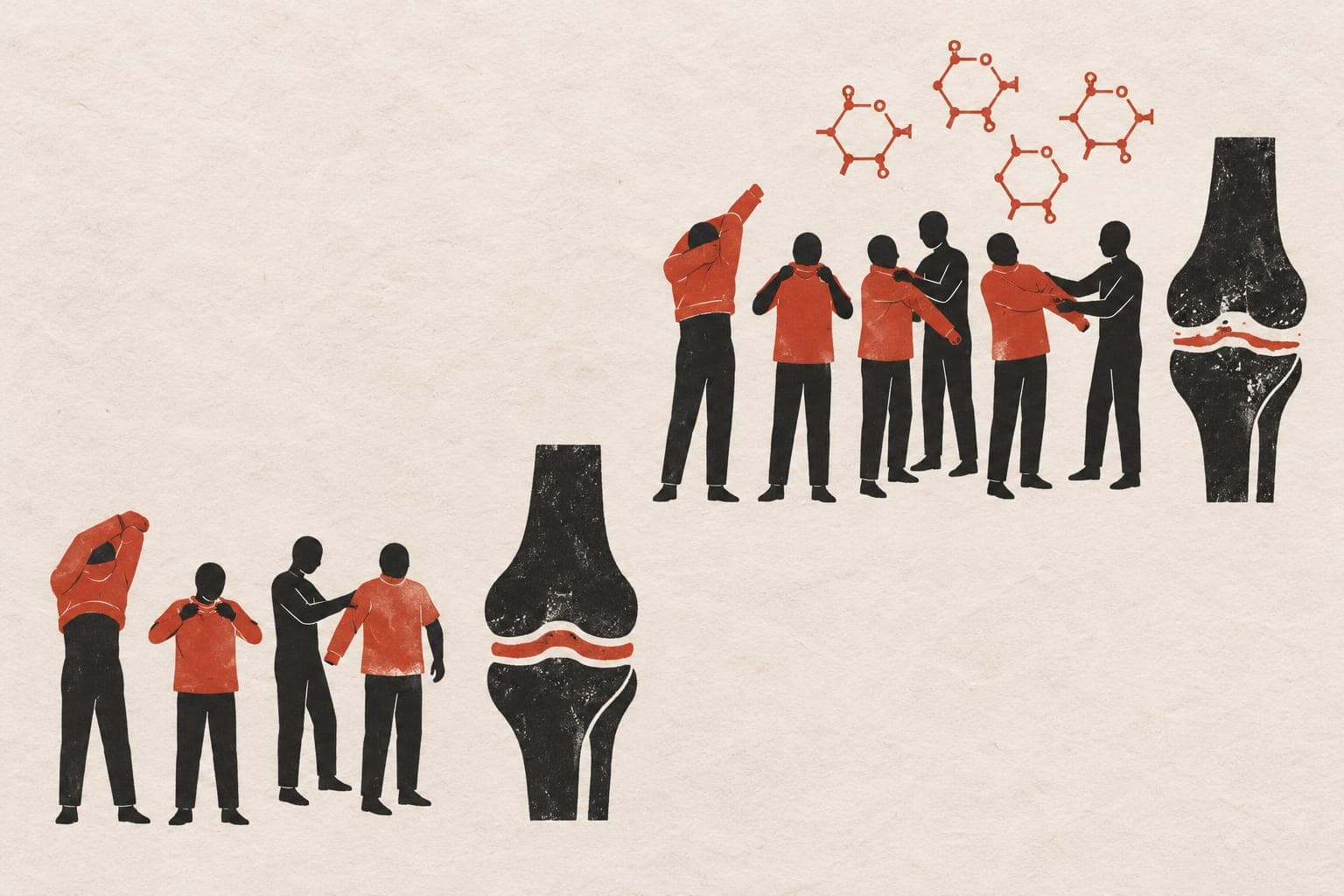
BACKGROUND: Arthritis is the most disabling disease worldwide, and the presence of the disease usually greatly threatens the patient's activities of daily living (ADL). Currently, there are a few studies that are related to exploring factors associated with impaired ADL in middle-aged and older adult arthritis patients. This study aimed to explore the factors associated with impaired ADL in Chinese middle-aged and older adult patients through logistic regression and decision tree models. METHODS: The method of univariate analysis was the chi-square test. Variables with significant differences in univariate analysis were included in binary logistic regression model and decision tree model based on the E-CHAID algorithm to explore the factors associated with impaired ADL in middle-aged and older adult arthritis patients in China. RESULTS: The results of the logistic regression model indicated that sex, place of residence, age, education level, falls, Internet usage, depressive symptoms, pain, self-rated health, and number of comorbid chronic diseases were the influencing factors for impaired ADL. The decision tree results showed that pain was the most important variable predicting impaired ADL in middle-aged and older adult arthritis patients. The area under the curve of the logistic regression model and the decision tree model were 0.792 (95%CI: 0.780-0.804) and 0.767 (95%CI: 0.754-0.780), respectively. CONCLUSION: The results of the study suggest that pain, self-rated health, Internet usage, age, and depressive symptoms are significant correlates of impaired ADL. Primary care providers need to provide intervention strategies that are individualized to the middle-aged and older adults with arthritis themselves.
The paper
"Health Shandong"Severe Social Risk Prevention and Management Synergy Innovation Center
Frontiers in Public Health, 3 Jun 2025