Arthritis linked to falls and hospital stays in Chinese adults
In an observational study of Chinese adults aged 45 and older, arthritis was linked to 42% higher fall risk than in adults without arthritis.
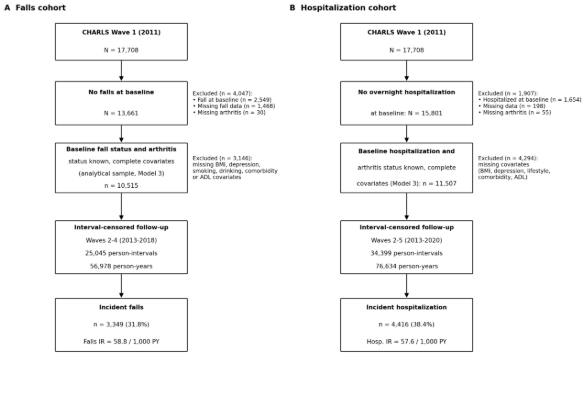
An observational study followed Chinese adults aged 45 and older, including 10,515 people in its analysis of falls. Researchers analysed five waves of the China Health and Retirement Longitudinal Study from 2011 to 2020. The falls and hospital-stay analyses excluded people with those outcomes at baseline. They updated arthritis status over time and accounted for age, other health conditions and disability.
Arthritis was associated with a 42% higher risk of falls than no arthritis. The link appeared both in people who already had arthritis and those who developed it during follow-up. In a separate analysis of 11,507 participants, arthritis was linked to overnight hospital stays. An analysis of 12,532 people linked arthritis to any out-of-pocket medical spending: 29.5% versus 21.4% without arthritis. Among people who spent money, arthritis was not linked to the amount spent.
Why it matters
For arthritis care in middle and later life, the findings support integrating fall prevention, management of other health conditions and financial protection.
Caveats
This observational study could not establish that arthritis caused falls, hospital stays or medical spending. The paper is a preprint and has not been peer-reviewed.
From the paper
- Participants
Among 10,515 fall-cohort participants (Model 3, 25,045 person-intervals, 56,978 person-years, 3,349 incident falls), arthritis was associated with a 42% higher fall risk (HR 1.42, 95% CI 1.32–1.52; P = 1.3 x 10⁻²³).
- Result
Among 10,515 fall-cohort participants (Model 3, 25,045 person-intervals, 56,978 person-years, 3,349 incident falls), arthritis was associated with a 42% higher fall risk (HR 1.42, 95% CI 1.32–1.52; P = 1.3 x 10⁻²³).
- Limitation
Limitations include: (i) self-reported physician-diagnosed arthritis, which under-ascertains early disease; (ii) self-reported outcomes subject to recall; (iii) attrition in CHARLS (~ 15% by Wave 5), partially addressed by the exclusion sensitivity …
Quoted word for word from the full text on researchsquare.com.
The paper
Handan Central Hospital
Research Square, 11 Oct 2026, Preprint, not peer-reviewed