Retinal Vessel Traits and Age-Related Eye Disease in the Canadian Longitudinal Study on Aging
Abstract
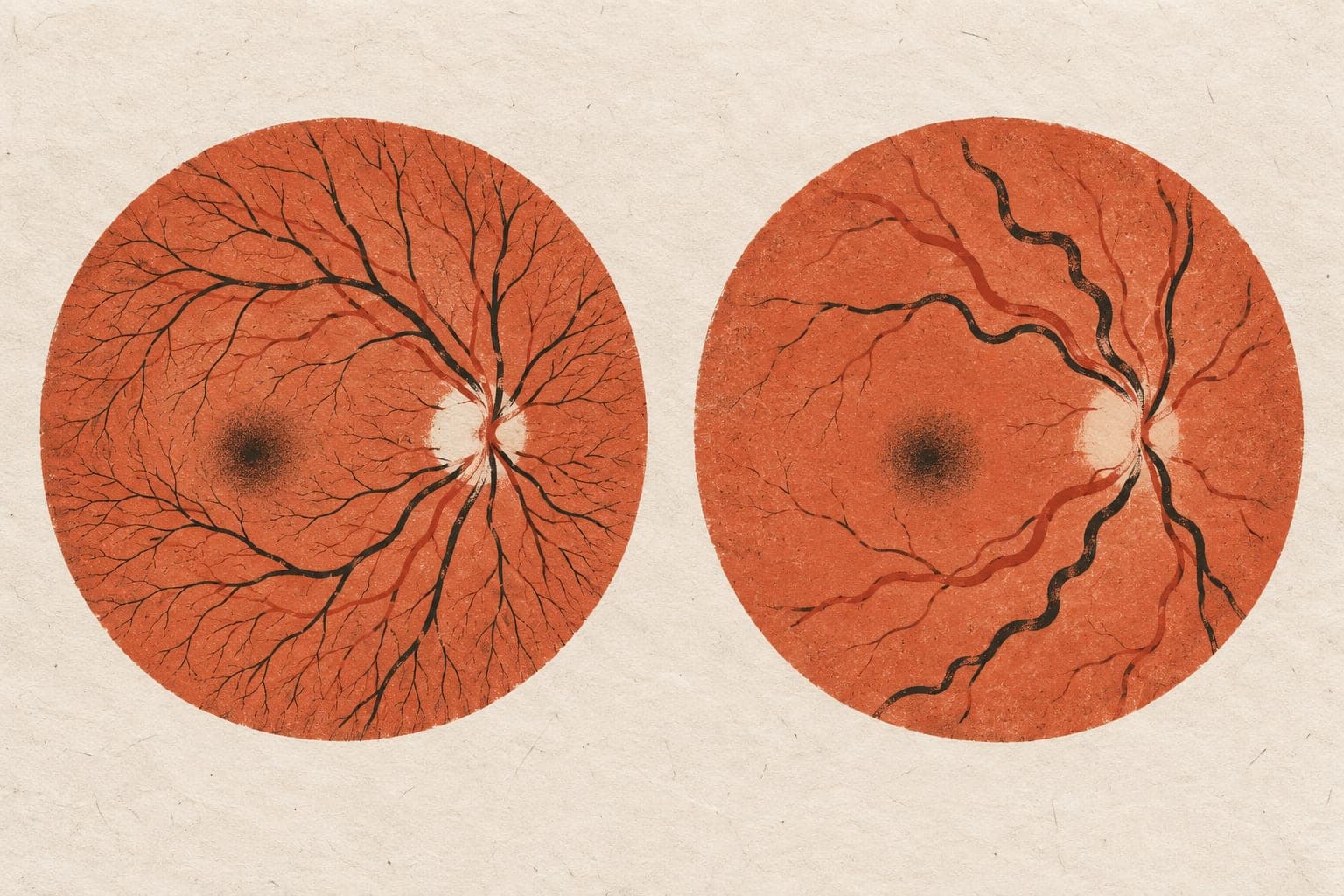
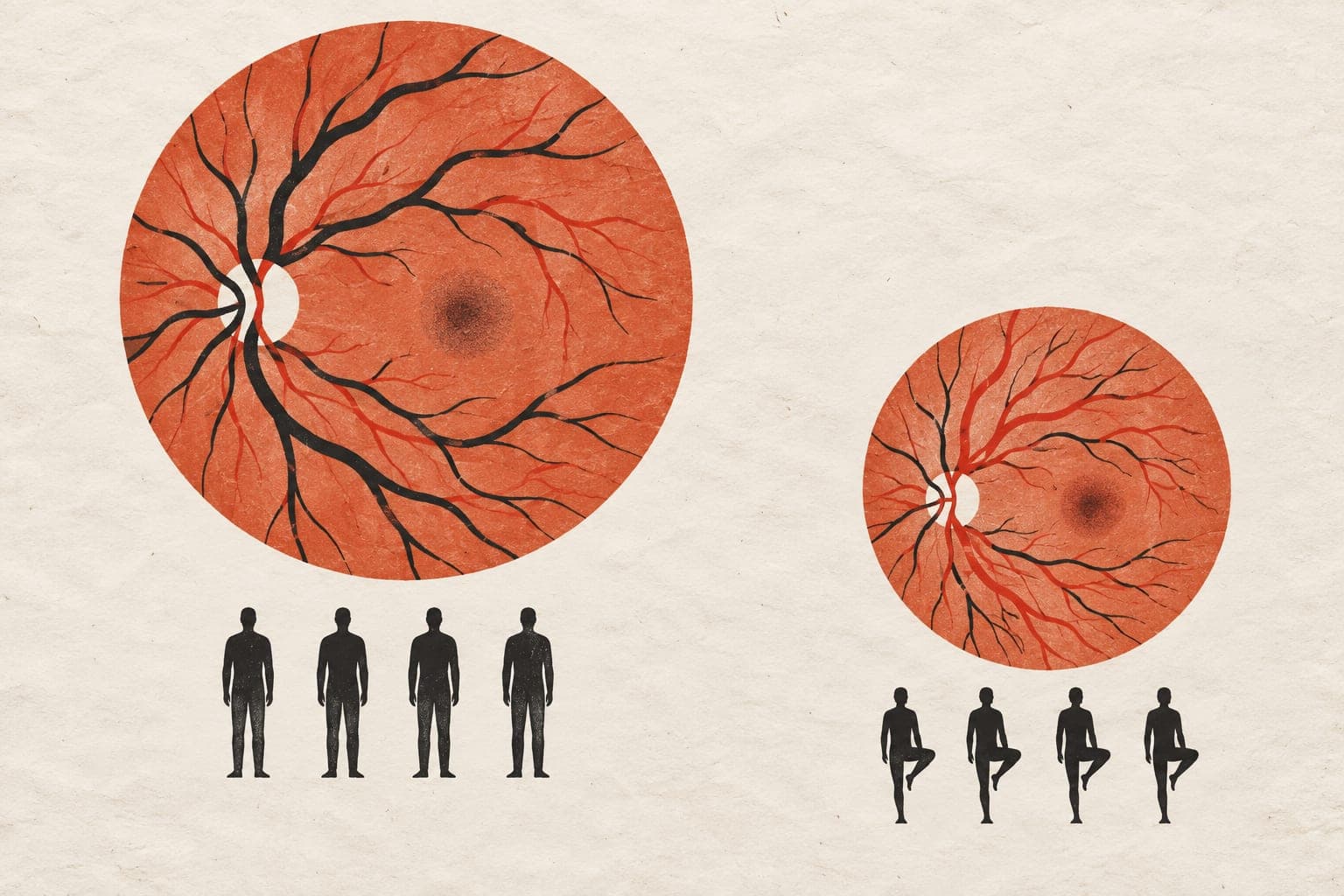
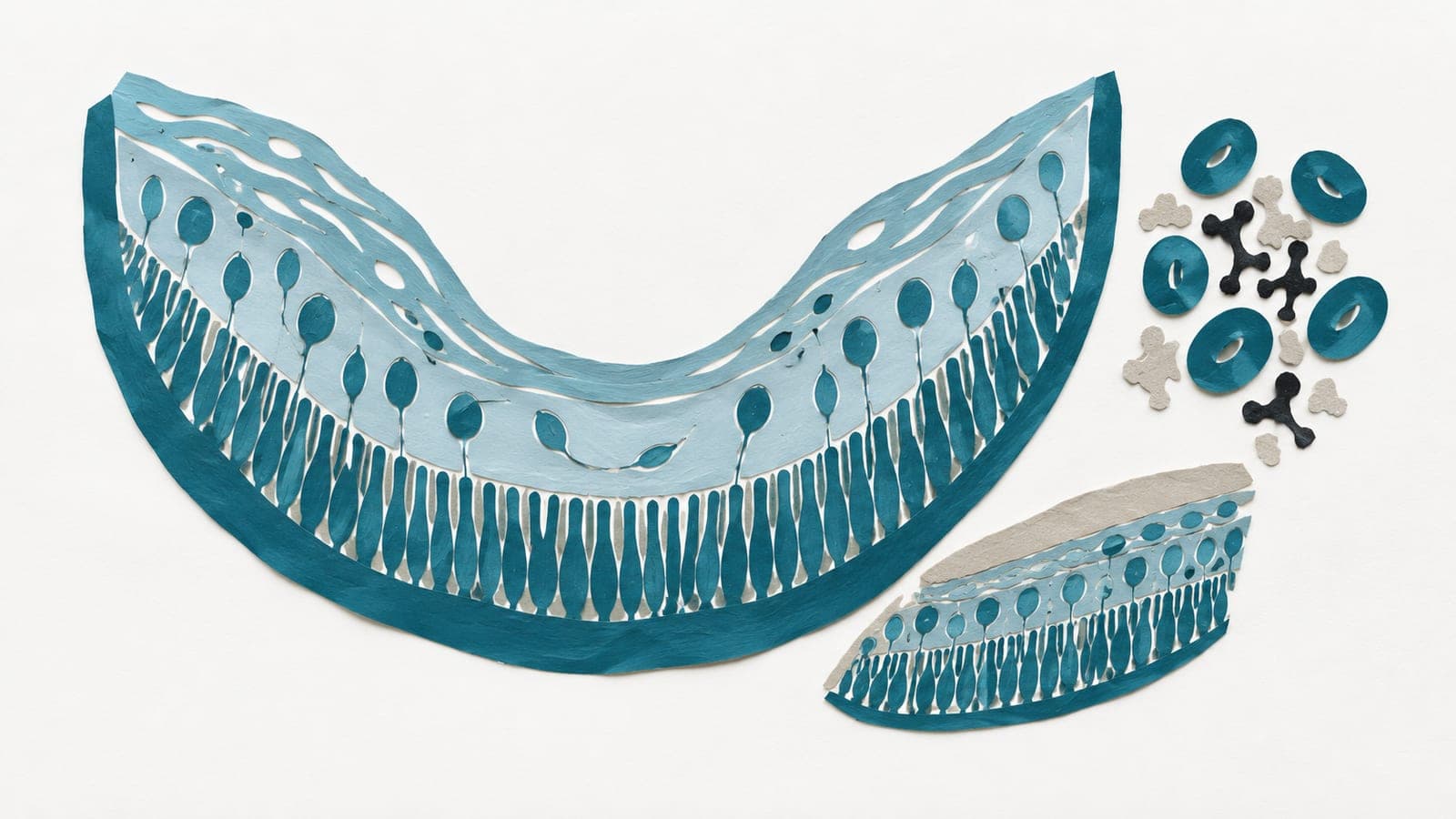
BACKGROUND: To cross-sectionally and longitudinally examine whether retinal vessel traits are associated with glaucoma-related outcomes (glaucoma, cup-to-disc ratio [CDR] and intraocular pressure [IOP]) and age-related macular degeneration (AMD). METHODS: Baseline and 3-year follow-up data from the 30 097 participants of the Canadian Longitudinal Study on Aging were used. The follow-up rate was 92%. QUARTZ, a deep learning algorithm, was used to extract data from retinal images including arteriolar and venular diameter, tortuosity and vertical CDR. Glaucoma and AMD were self-reported. IOP was measured. Multiple linear and logistic regression were used to adjust for demographic, lifestyle and clinical factors. RESULTS: Having wider arterioles was associated with a lower odds of glaucoma (OR = 0.36, 95% CI: 0.20, 0.65) at baseline but there was no association using longitudinal data. Instead, glaucoma at baseline was strongly associated with 3-year change in arteriolar diameter (β = -0.21, 95% CI: -0.37, -0.05) indicating that the cross-sectional association may have been due to reverse causality. Using longitudinal data, greater venular tortuosity was associated with a reduced 3-year development of glaucoma (OR = 0.52, 95% CI: 0.31, 0.87) and a 3-year reduction in the CDR (β = -0.006, 95% CI: -0.010, -0.002). Wider venular diameter was associated with a higher odds of AMD at baseline (OR = 2.77, 95% CI: 1.50, 5.15) and a higher odds of the 3-year development of AMD (OR = 4.15, 95% CI: 1.95, 8.82). CONCLUSIONS: Understanding the temporal relationship of changes in the retinal microvasculature and the development of eye disease may lead to better treatment and prevention strategies.
The paper
University of Ottawa
Clinical & Experimental Ophthalmology, 14 Jun 2025