The impact of aging and biological sex on cardiac collagen metabolism
Abstract
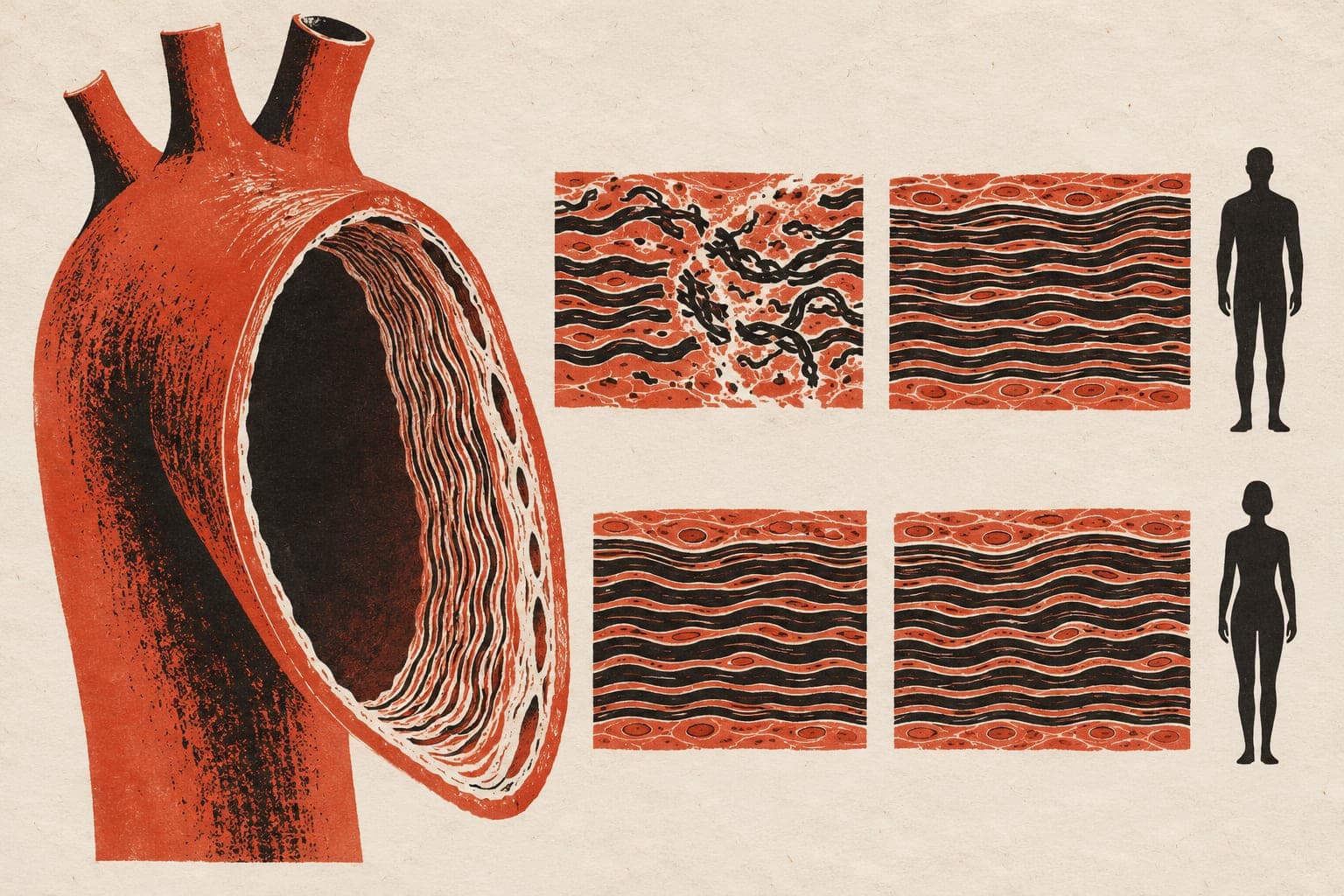
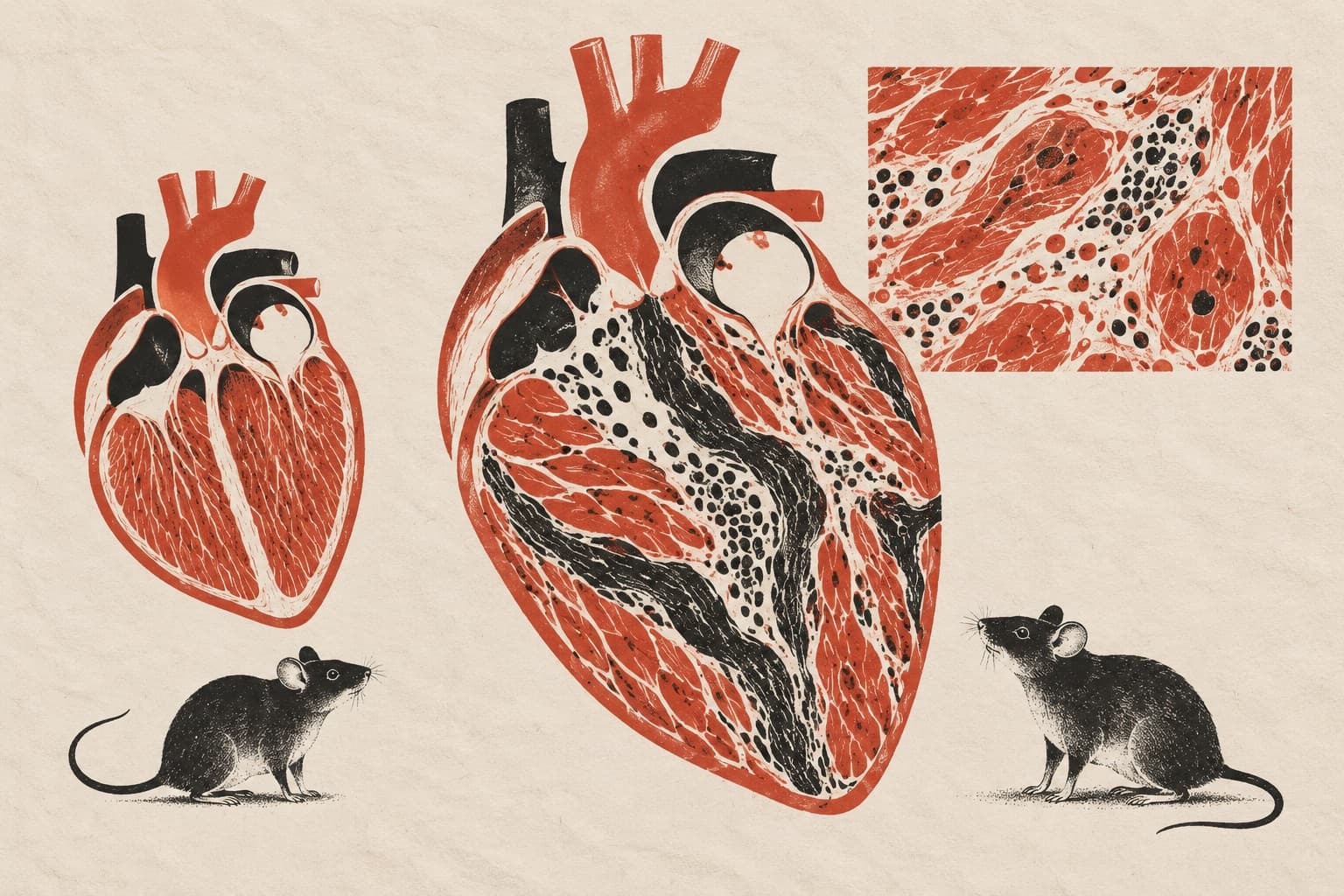
Age and sex exert profound influences on the heart, shaping its structure, function, and susceptibility to disease. Among the myriad of changes driven by age and sex, alterations in the extracellular matrix (ECM), particularly collagen influence myocardial health in aging. Collagen, the predominant ECM protein, upholds tissue integrity and function through tightly regulated processes. Aging, a significant cardiovascular risk factor, is linked to increased collagen deposition, left ventricular remodelling, and fibrosis. Similarly, sex differences affect cardiovascular disease progression, with notable variations in the deposition of collagen types I and III between males and females. While collagen accumulation is present in aging in both sexes, females exhibit a tempered response until menopause, primarily due to oestrogen-mediated suppression of excessive collagen remodelling. This review focuses on the mechanisms underlying age- and sex-related changes in cardiac collagen metabolism and their implications for myocardial health. Aging-associated fibrosis and collagen accumulation appear mechanistically distinct from those seen with injury or dysfunction, occurring without increased collagen synthesis despite elevated degradation enzymes. Factors such as senescence, inflammation, oxidative stress, and enhanced ECM crosslinking are identified as key drivers of these metabolic shifts. While studies in ovariectomized rodent models have highlighted the role of sex in collagen metabolism, evidence suggests that aging exerts a more dominant influence overall. Additionally, this review emphasizes a critical gap in the field: the limited availability of longitudinal aging fibrosis studies that include both sexes. This scarcity hampers a comprehensive understanding of how aging and sex collectively shape collagen turnover and myocardial health. By assessing these knowledge gaps, the review aims to define current perspectives and may provide insights to help inform the development of more effective, targeted therapeutic approaches.
The paper
University of Edinburgh
Mechanisms of Ageing and Development, 5 Jun 2025, Open access