Dehydroacteoside rejuvenates senescence via TVP23C-CDRT4 regulation
Abstract
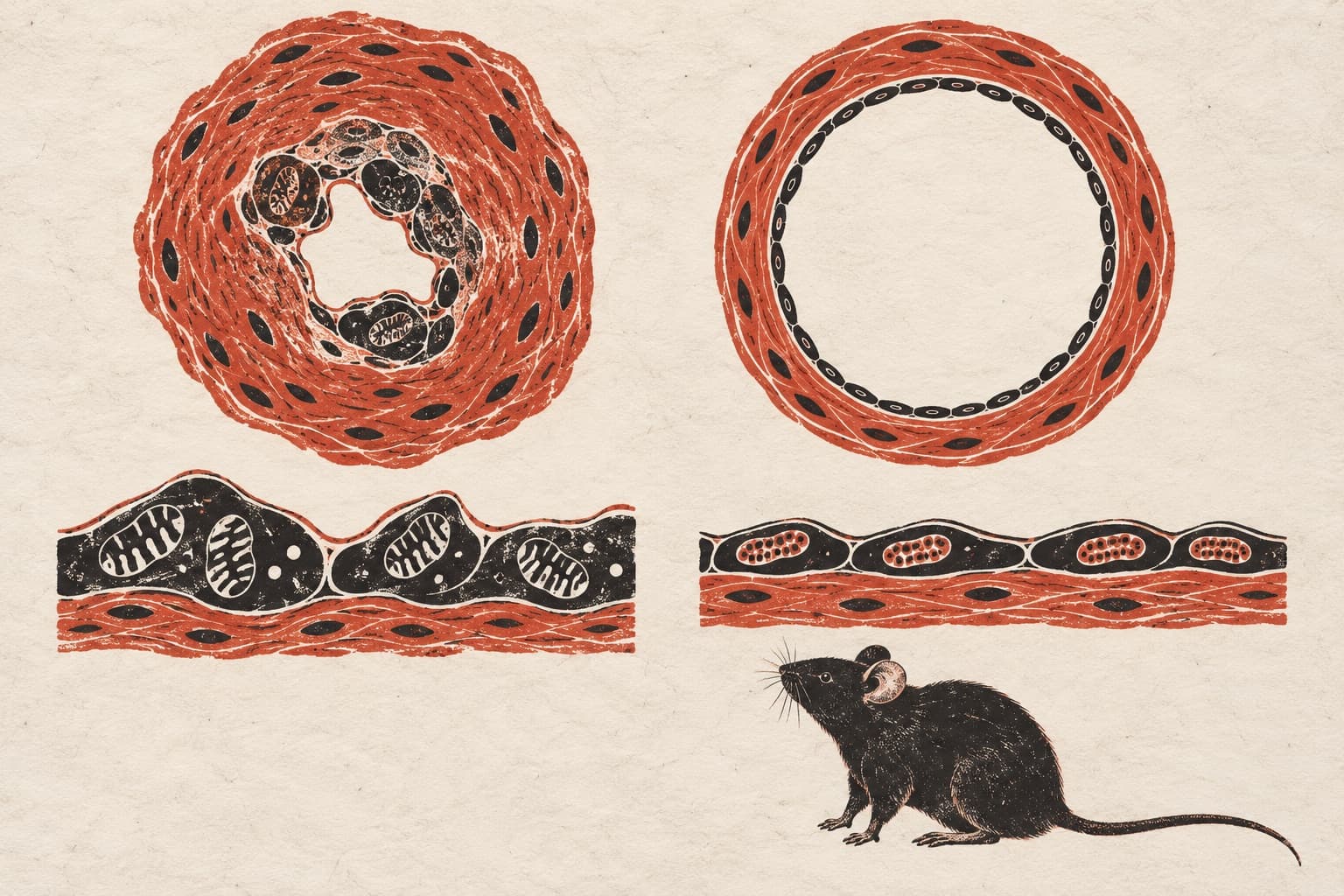
One of the major factors inducing senescence is reactive oxygen species (ROS) produced from dysfunctional mitochondria. Therapeutic strategies that reduce mitochondrial ROS generation are considered essential for rejuvenating senescence, but effective methods have not yet been established. Here, we screened phenylpropanoids (PPs), secondary metabolites produced in response to oxidative stress in plants, and identified dehydroacteoside as a potential candidate. Dehydroacteoside restored mitochondrial function, thereby reducing mitochondrial ROS generated by inefficient electron transport. Furthermore, senescence-associated phenotypes were restored by dehydroacteoside-mediated ROS reduction. Using RNA sequencing, we identified TVP23C-CDRT4 as a gene that plays a critical role in dehydroacteoside-mediated senescence rejuvenation. Knockdown of TVP23C-CDRT4 showed similar effects to dehydroacteoside, reducing ROS and subsequently restoring senescence-associated phenotypes. Taken together, our study uncovered a novel mechanism by which dehydroacteoside reduces mitochondrial ROS generation, thereby restoring senescence. Our findings open the way to a new field of anti-aging therapy aimed at controlling senescence by modulating ROS production in mitochondria.
The paper
Incheon National University
Experimental Gerontology, 3 Jun 2025