Senolytic effects of a modified Gingerenone A
Abstract
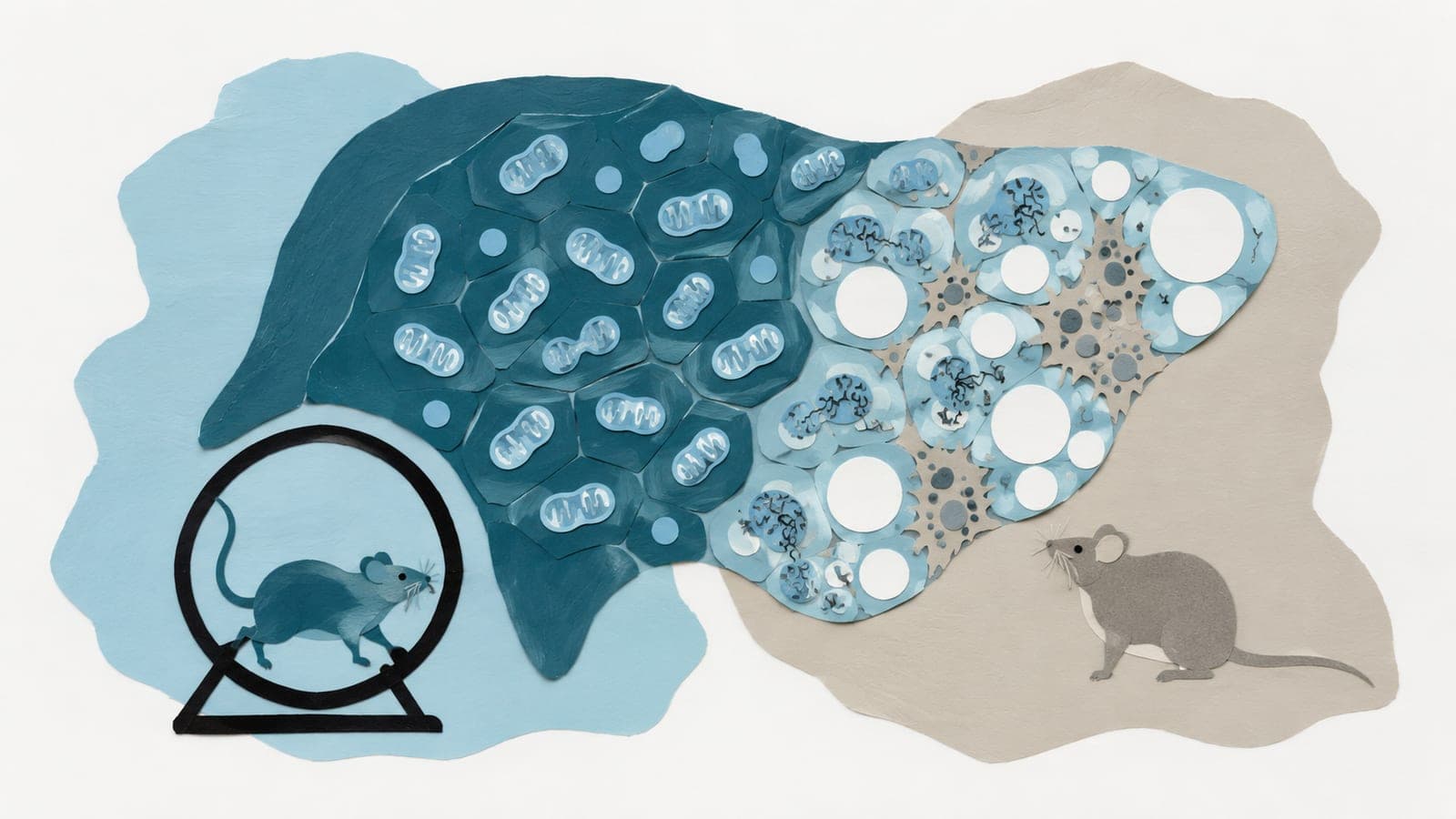
Senescent cells accumulate with aging and are associated with several age-associated diseases and functional declines. Eliminating senescent cells with senolytics improves aging phenotypes in mouse models and may improve the health of people with chronic diseases. To date, very few senotherapeutic (senolytics and senomorphics) compounds have been identified. In a recent study, we reported that gingerenone A (GinA) has a senolytic effect via mechanisms including the activation of caspase-3 activity and apoptotic cell death. In this study, we investigated whether GinA has senotherapeutic properties in a mouse model of senescence. Moreover, we modified GinA with eicosapentaenoic acid (EPA) esters (GinA-EPA) or docosahexaenoic acid (DHA) esters (GinA-DHA) to generate modified gingerenone A (modGinA) that could enhance GinA effects. We found that both GinA and modGinA induced biochemical and histological changes consistent with anti-inflammatory, senolytic, and senomorphic effects, leading to improved metabolic and mitochondrial functions.
The paper
National Institutes of Health
npj Aging, 30 May 2025
doi.org/10.1038/s41514-025-00230-3PubMed 40447588
Corrected, 23 Jun 2025