Nicotinamide riboside promoted cardiac energetics and alleviated doxorubicin-induced cardiotoxicity via SIRT1/ERRα signal in human pluripotent stem cells-derived cardiomyocytes
Abstract
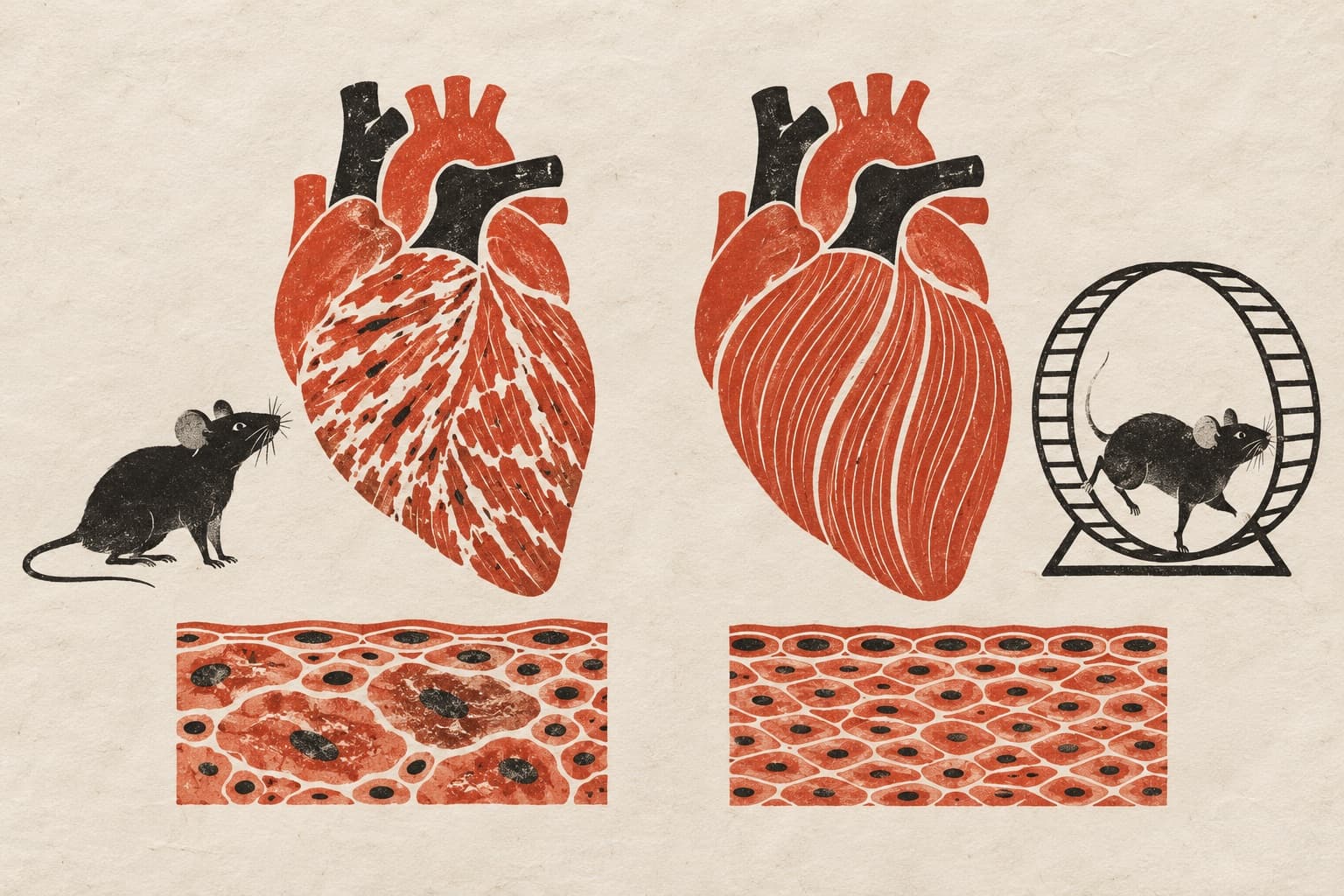
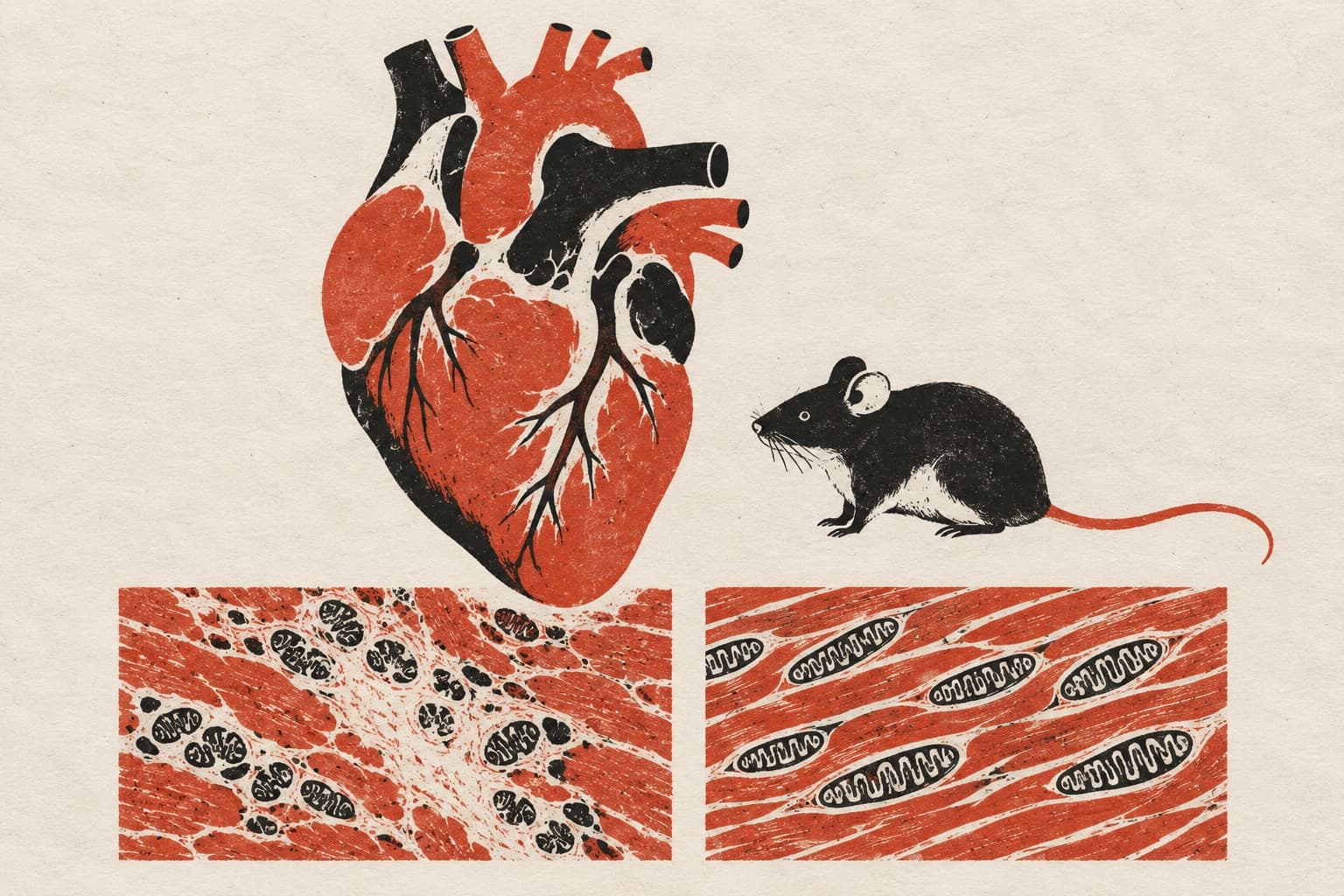
Doxorubicin is an antineoplastic chemotherapeutic drug that causes cardiotoxicity with energetics impairment and oxidative stress. Nicotinamide ribose (NR) is the precursor of NAD+ and has demonstrated beneficial effects in several animal models of cardiovascular disease. This study aimed to test the role and mechanism of nicotinamide ribose on human induced pluripotent stem cell-differentiated cardiomyocytes (HiPSCs-CMs) under normal and doxorubicin-treated states. We found that NR increased mitochondrial fusion and integrity in HiPSCs-CMs, promoted mitochondrial oxidative phosphorylation levels and ATP output, and increased ERRα expression. Inhibition of SIRT1 reversed the beneficial effects of NR. Protein-protein docking and immunoprecipitation showed that SIRT1 may bind directly to ERRα and regulates ERRα expression. Agonism of SIRT1 shows a facilitating effect on mitochondrial energetics, an effect that is counteracted by inhibitors of ERRα. Furthermore, NR promotes mitochondrial energetics via SIRT1/ERRα in doxorubicin-induced cardiac cytotoxicity, reduces cardiomyocyte oxidative stress injury, and attenuates apoptosis. Our findings reveal beneficial effects of nicotinamide ribose on HiPSCs-CMs under normal or disease conditions. In conclusion, our study provides the basis for advancing the clinical translation of nicotinamide ribose into the clinic.
The paper
Children's Hospital of Chongqing Medical University
Life Sciences, 3 May 2025