High-fat diet restriction to adult male mice maintains normal body weight but leads to liver impairment by disrupting mitochondrial oxidative phosphorylation
Abstract
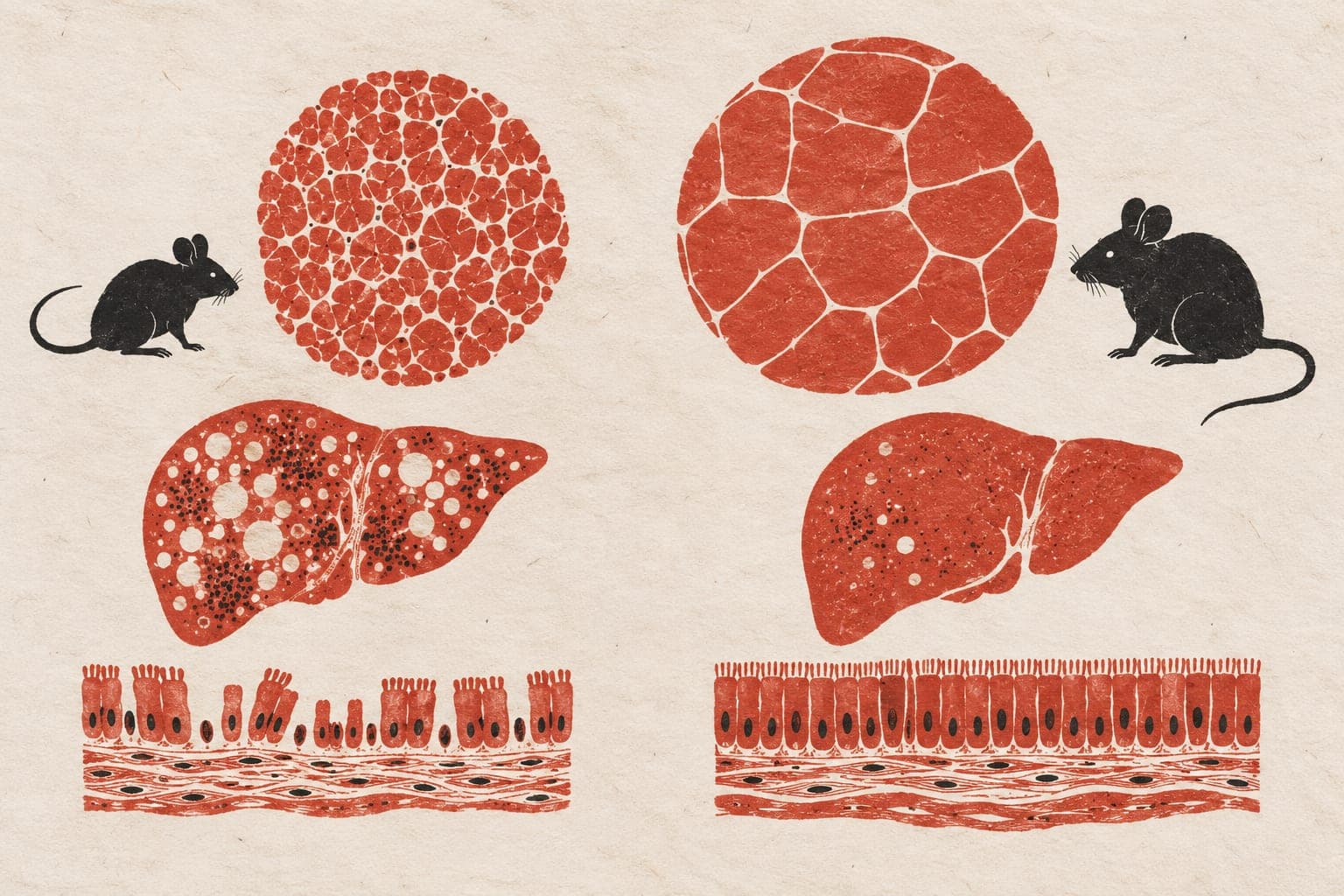
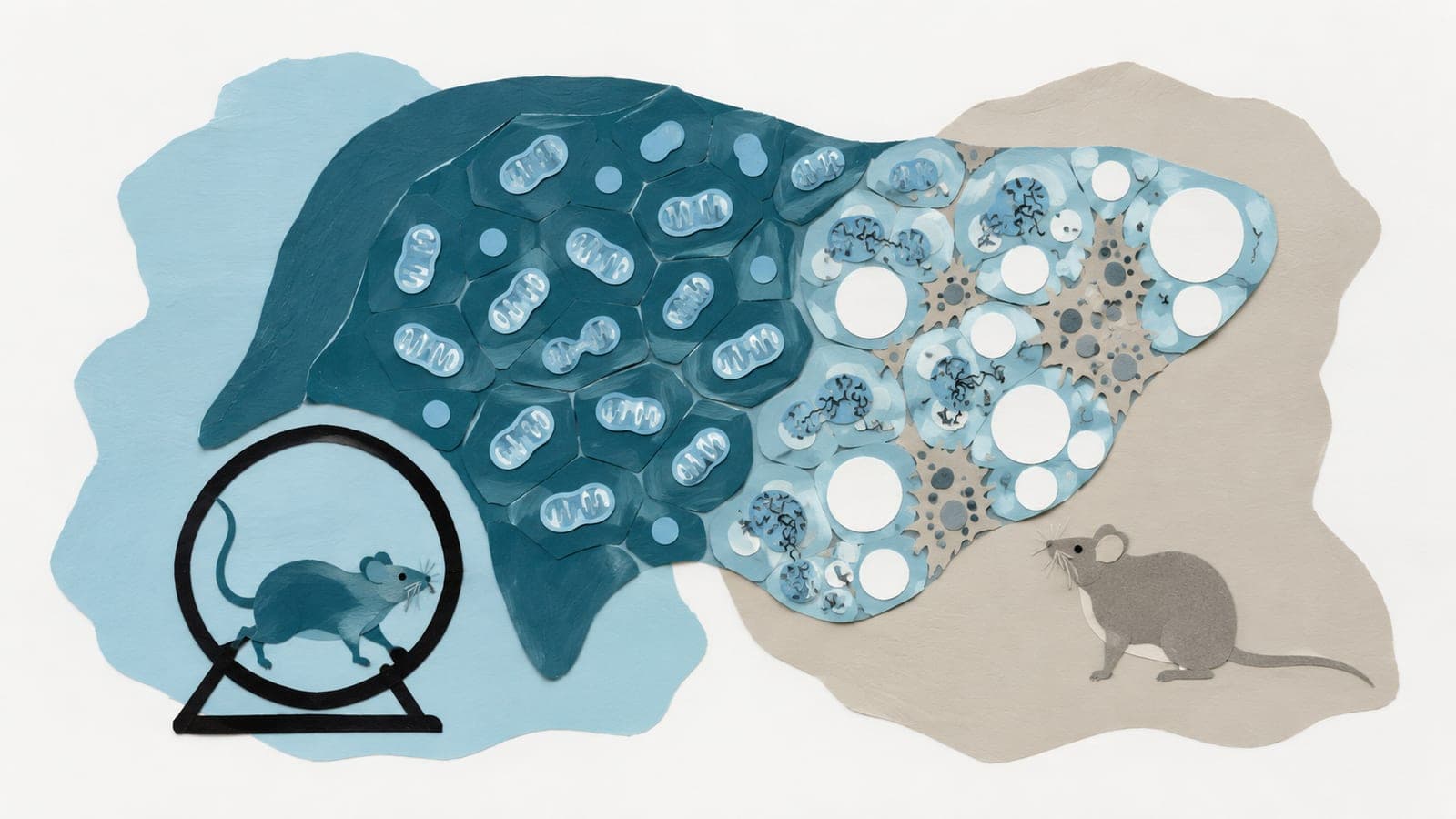
Dietary restriction (DR) delays aging and supports health primarily through its effects on mitochondrial function. Conversely, a high-fat diet (HFD) with excess calories promotes obesity and health risks via mitochondrial dysfunction. However, the role of an HFD in the benefits of DR remains unclear. This study investigated whether sustainable and intermittent DR with an HFD positively affects liver and heart health. Mice were assigned to four groups: chow diet ad libitum (CTR), HFD ad libitum (H), 60% HFD intake (HDR), and intermittent HFD restriction with weight cycling (WC). The results showed that the mice in the HDR and WC groups had reduced body weight, while animals in neither group had lower blood glucose levels compared to the H group. Hepatic steatosis, fibrosis, and NAFLD activity scores were similar in H, HDR, and WC mice but were higher than in CTR mice. The livers of mice in the HDR and WC groups also showed reduced ATP content and altered protein expressions related to mitochondrial dynamics. Liver in animals from the H group exhibited reduced LC3I expression and an increased LC3II to LC3I ratio compared with liver CTR. In contrast, livers of animals in the HDR and WC groups showed lower levels of p62, LC3I, and LC3II expression. Fibrosis was observed in the hearts of mice in the CTR and H groups, and DR did not reverse this damage. In conclusion, although HFD restriction maintained body weight, it adversely affected liver health by disrupting mitochondrial function. These findings emphasize the critical role of dietary fat in liver health when adopting calorie-restricted therapy.
The paper
National Taiwan University
The Journal of Nutritional Biochemistry, 30 Apr 2025