Chimeric brain models: Unlocking insights into human neural development, aging, diseases, and cell therapies
Abstract
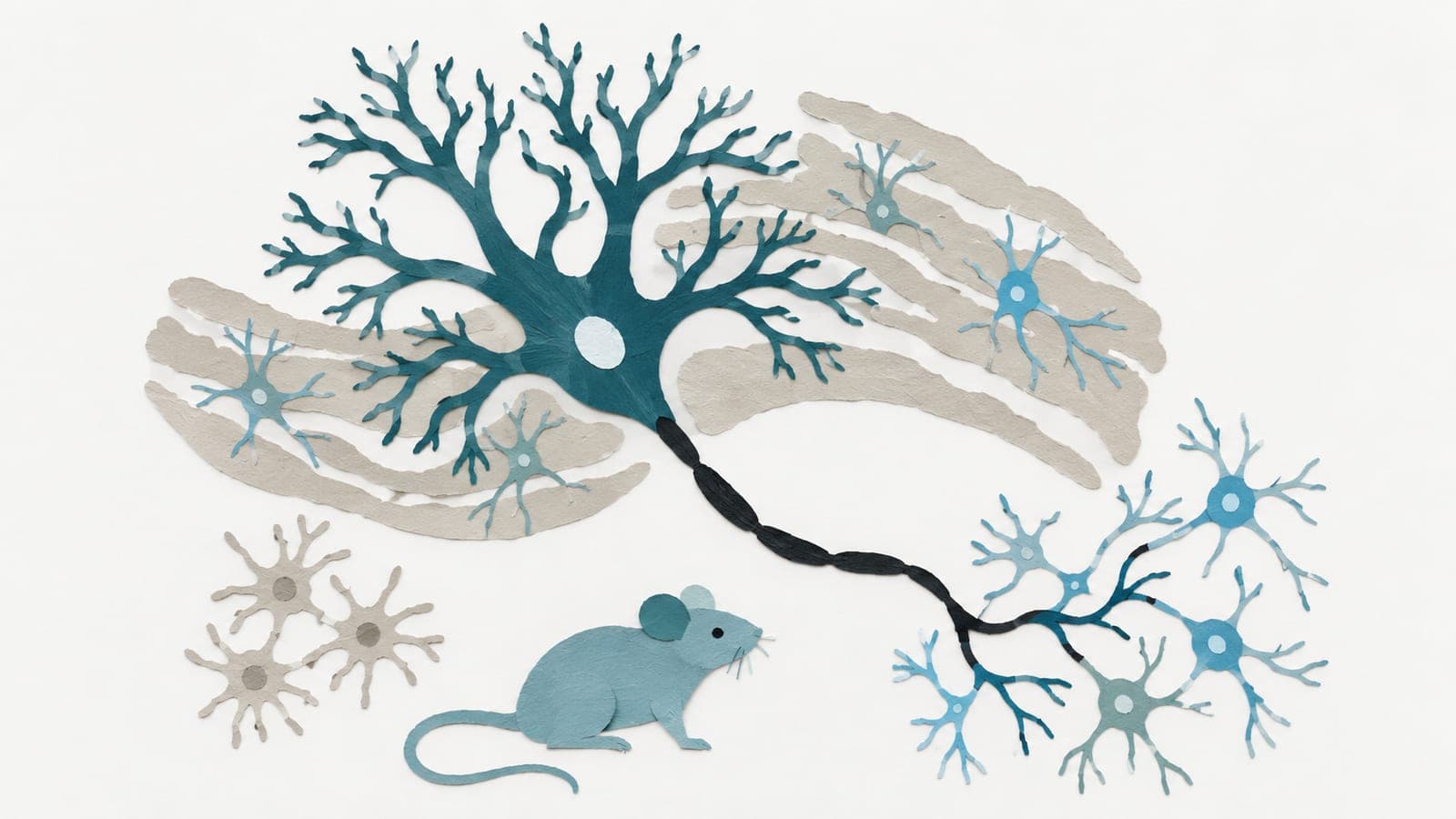
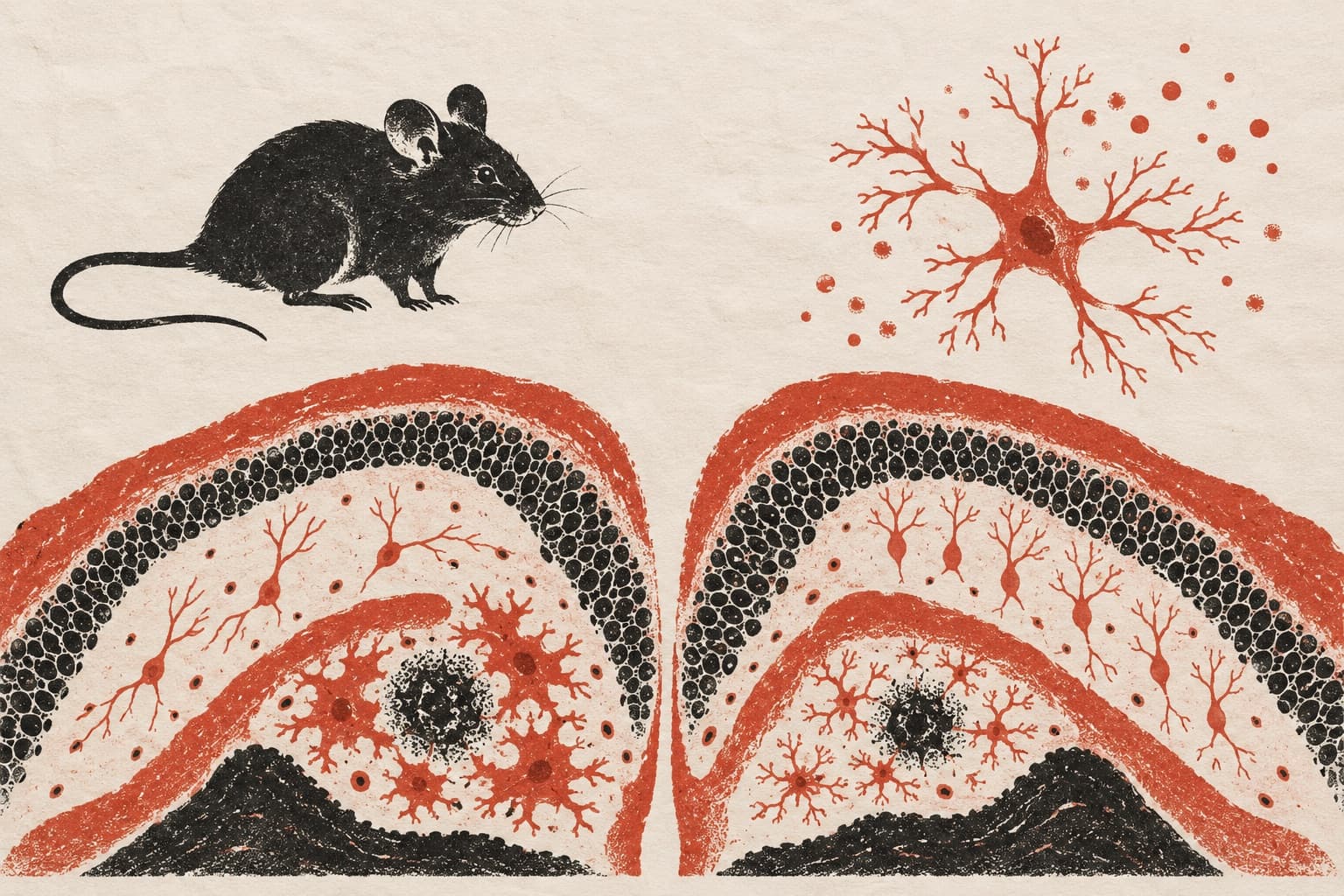
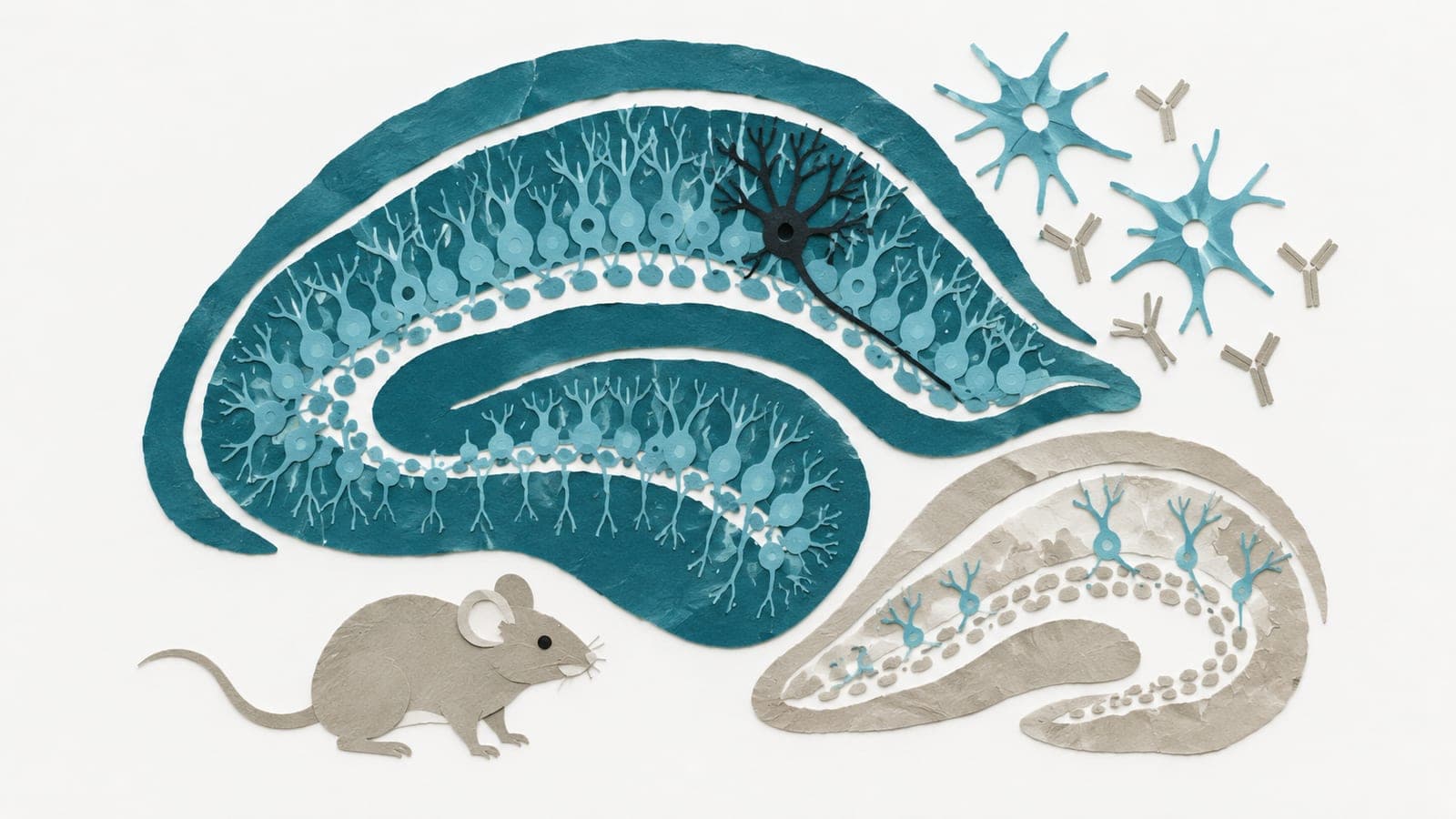
Human-rodent chimeric brain models serve as a unique platform for investigating the pathophysiology of human cells within a living brain environment. These models are established by transplanting human tissue- or human pluripotent stem cell (hPSC)-derived macroglial, microglial, or neuronal lineage cells, as well as cerebral organoids, into the brains of host animals. This approach has opened new avenues for exploring human brain development, disease mechanisms, and regenerative processes. Here, we highlight recent advancements in using chimeric models to study human neural development, aging, and disease. Additionally, we explore the potential applications of these models for studying human glial cell-replacement therapies, studying in vivo human glial-to-neuron reprogramming, and harnessing single-cell omics and advanced functional assays to uncover detailed insights into human neurobiology. Finally, we discuss strategies to enhance the precision and translational relevance of these models, expanding their impact in stem cell and neuroscience research.
The paper
Rutgers, The State University of New Jersey
Neuron, 28 Apr 2025, Open access, accepted manuscript