Taurine ameliorates cellular senescence associated with an increased hydrogen sulfide and a decreased hepatokine, IGFBP-1, in CCl4-induced hepatotoxicity in mice
Abstract
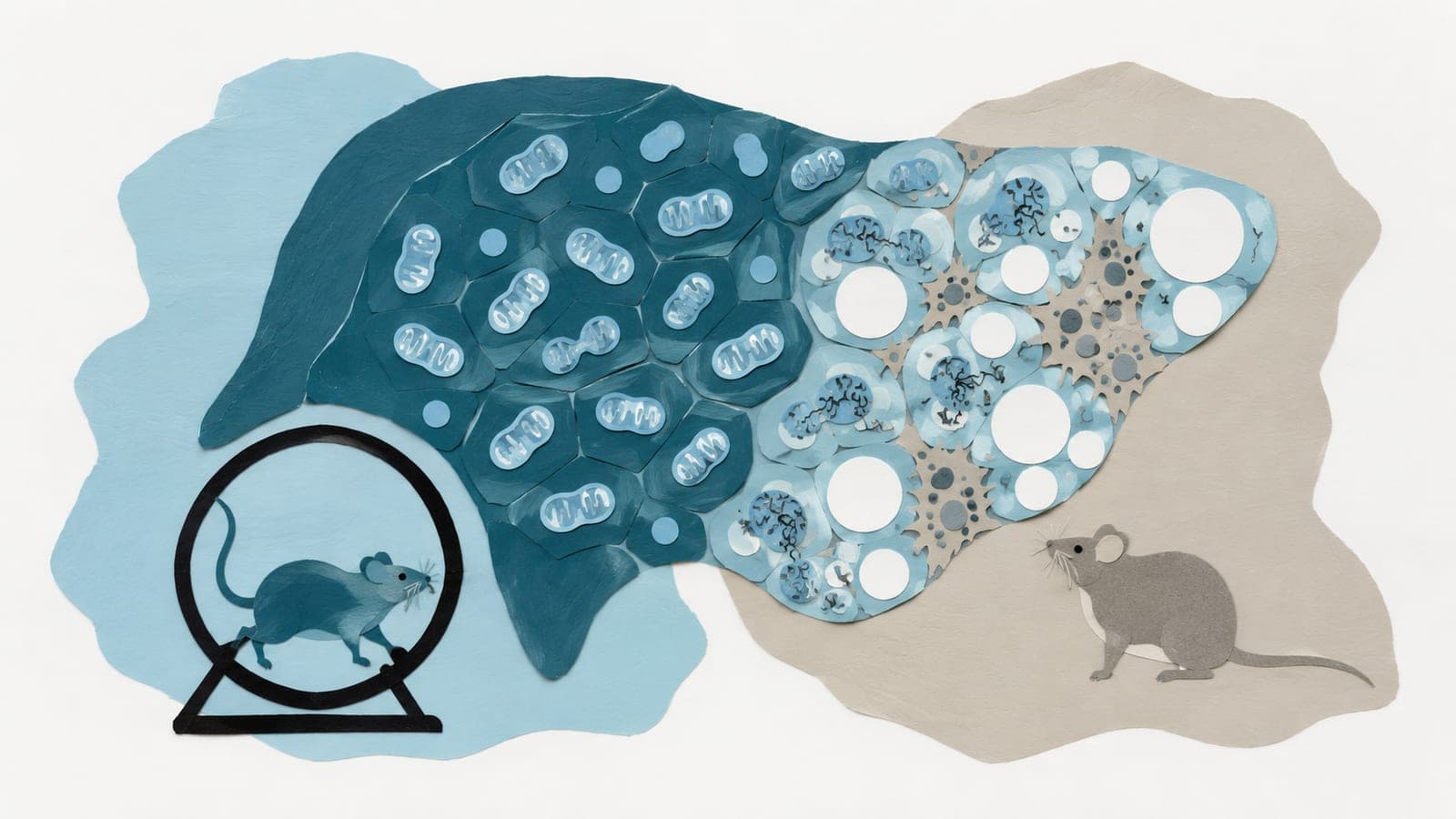
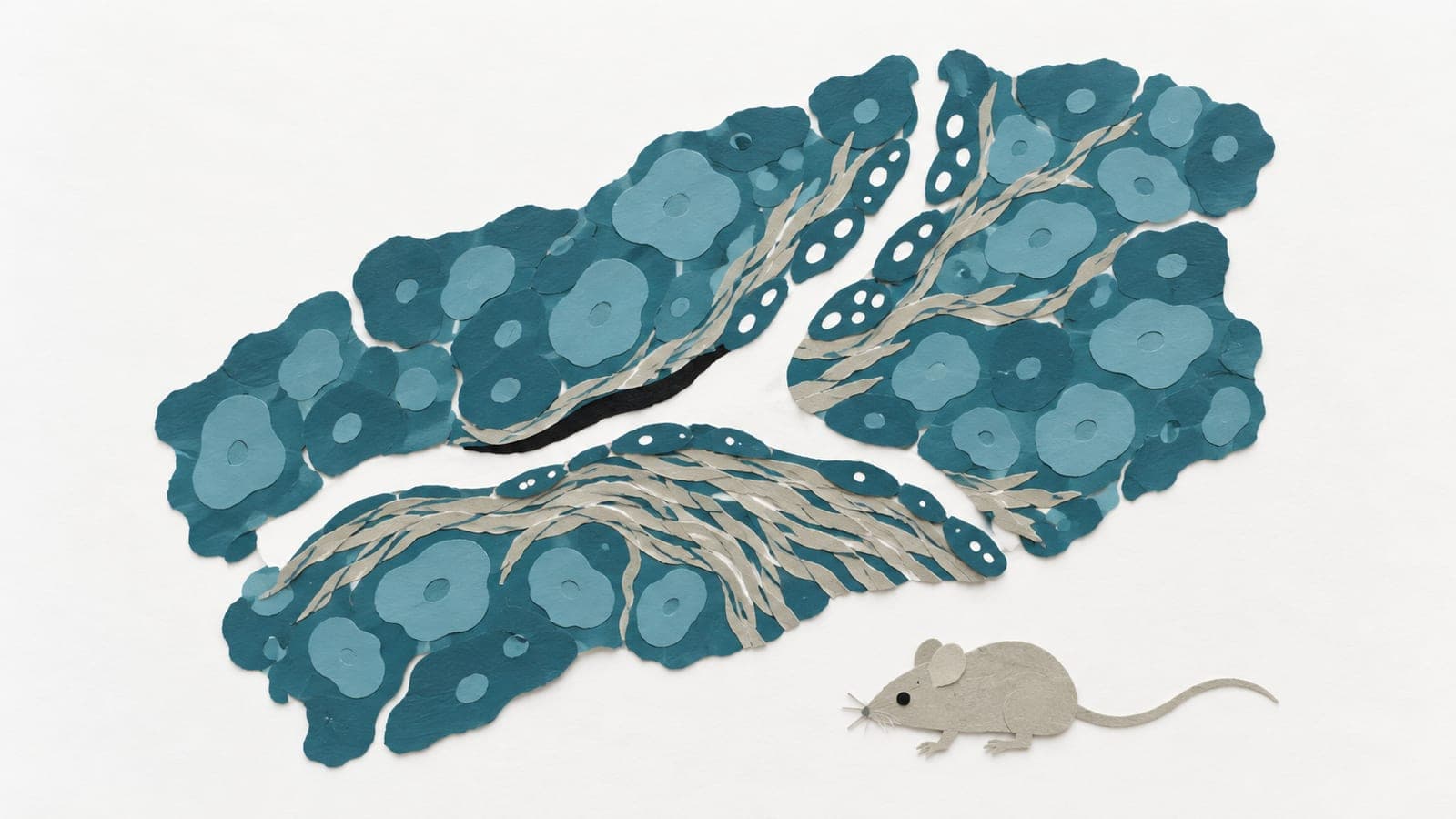
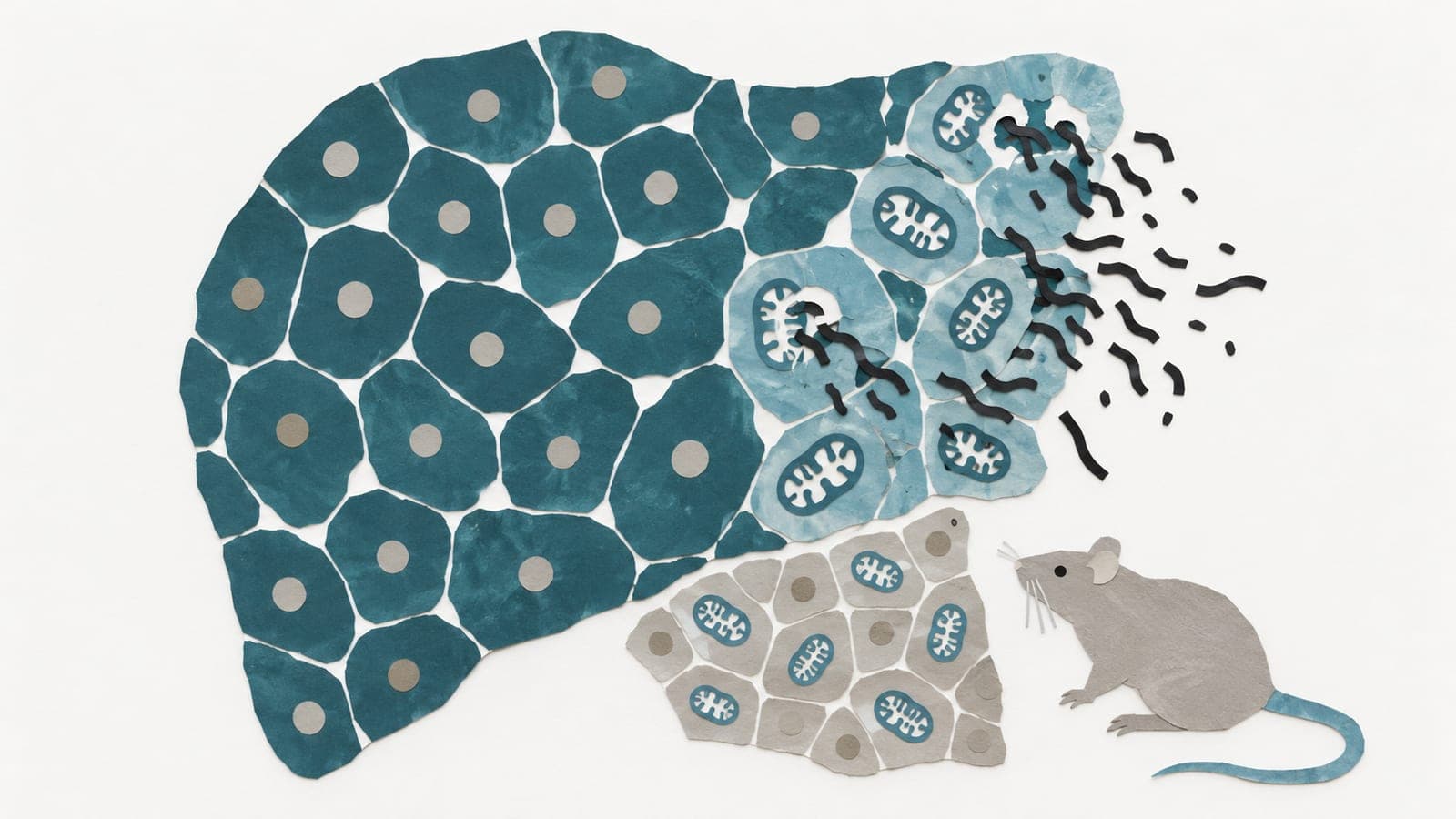
This study investigated the protective effects of taurine against cellular senescence and hepatokine secretion in a mouse model of carbon tetrachloride (CCl4)-induced chronic liver injury. Oral taurine administration by tap water containing 3 % taurine significantly attenuated liver damage, as evidenced by reduced serum AST, ALT level and hepatic lipid peroxidation. Importantly, hepatic taurine level is reduced in CCl4-induced injury model, while taurine administration recovered it. Moreover, taurine administration decreased the numbers of p21-positive senescent cells in liver tissue of CCl4-treated mice. Taurine increases hydrogen sulfide (H₂S) in liver of normal mice, suggesting anti-oxidative role through H₂S production by taurine. Furthermore, inhibition of CTH, which is an enzyme responsible for H₂S production from cysteine, by propagylglycine attenuated malondialdehyde-lowering effect of taurine in liver of CCl4-treated mice. Moreover, we found taurine treatment lowers insulin-like growth factor binding protein-1 (IGFBP-1) in liver of normal mice. Importantly, while chronic CCl4 injection caused an induction of IGFBP-1, taurine administration blocked it. These findings suggest that taurine exerts its protective effects by attenuating cellular senescence, which is associated with enhancing H₂S production and inhibiting IGFBP-1 expression. This study highlights the potential of taurine as a therapeutic strategy for mitigating chronic liver injury by producing H₂S and targeting IGFBP1.
The paper
Redox Biology, 18 Apr 2025, Open access