The critical role of GLP-1 signaling pathways in the pathology of Parkinson's disease and diabetes
Abstract
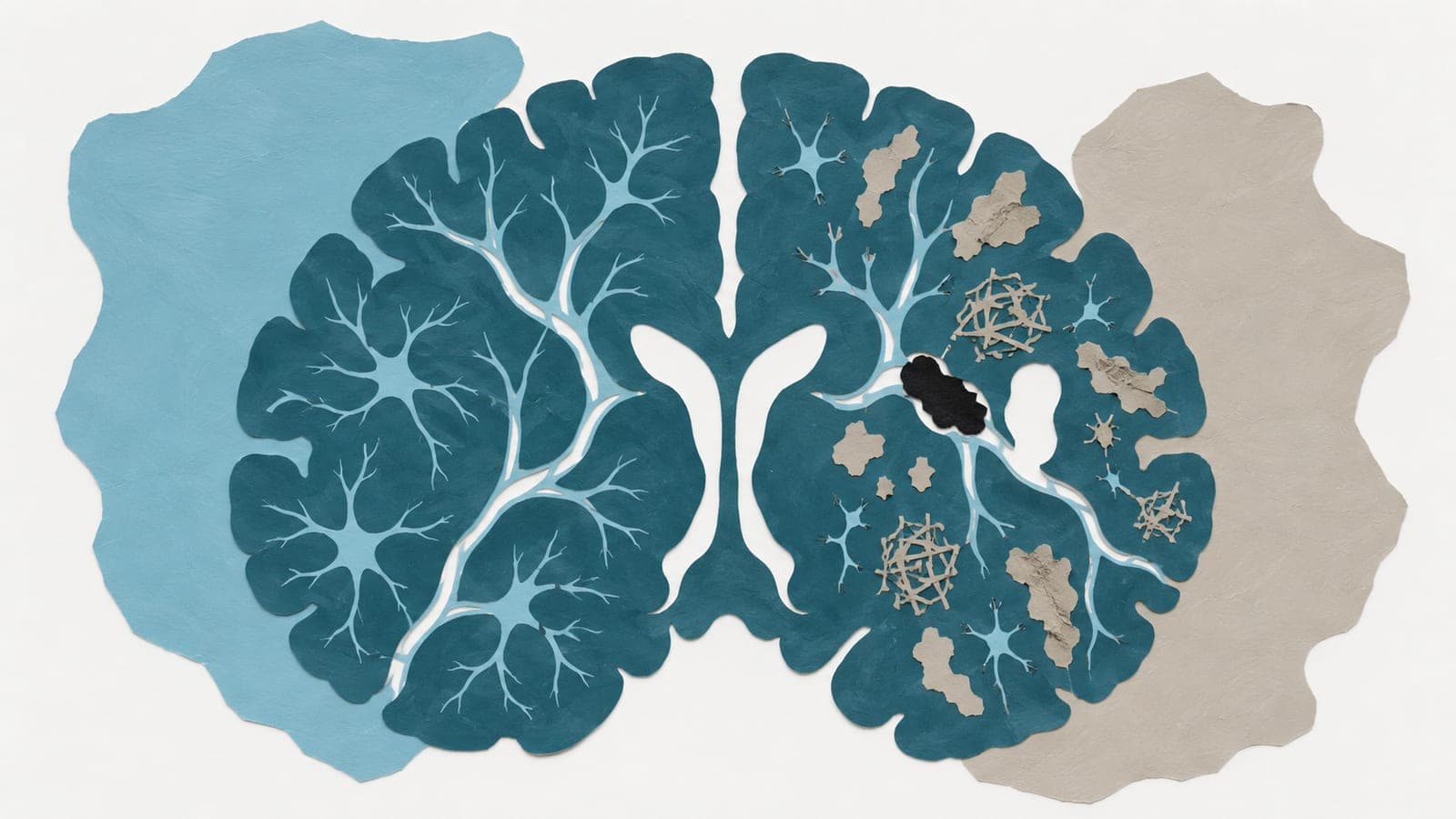
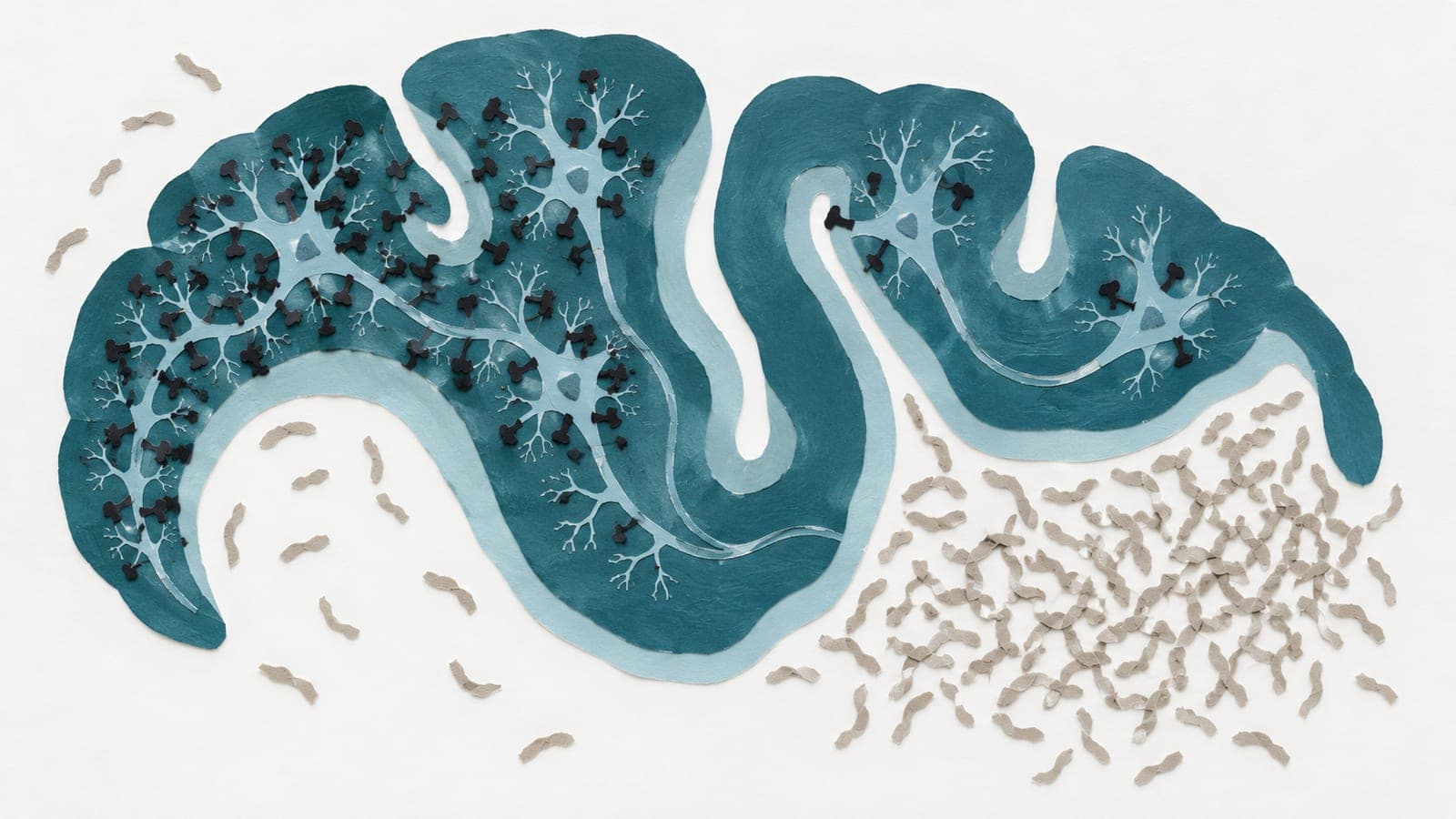
This review assesses the roles of GLP-1 and its receptor agonists (GLP-1RAs) in the treatment of diabetes and Parkinson's disease, integrating current theories and research. GLP-1, a vital endogenous hormone, regulates insulin secretion, delays gastric emptying, and promotes satiety, showing significant potential for diabetes management. However, its brief lifespan and restricted blood-brain barrier penetration limit its clinical application. To overcome these constraints, researchers have developed GLP-1 receptor agonists that prolong its action and exhibit high efficacy in diabetes treatment. Recent studies further reveal GLP-1's neuroprotective effects, notably its potential in managing neurodegenerative disorders such as Parkinson's disease. GLP-1RAs mitigate neuroinflammation, reduce oxidative stress, and enhance neuroprotection, suggesting substantial potential for treating neurodegenerative diseases. Additionally, to enhance GLP-1RAs' efficacy in the nervous system, researchers have introduced novel drug delivery approaches, including nanoparticle carriers and molecular modifications, to improve stability and targeting accuracy. In conclusion, this review comprehensively analyzes the mechanisms, clinical applications, and challenges of GLP-1 and its receptor agonists in managing diabetes and Parkinson's disease, while identifying future research and clinical opportunities.
The paper
China Three Gorges University
Pathology, Research and Practice, 22 Apr 2025