Hepatic-specific vitamin D receptor downregulation alleviates aging-related metabolic dysfunction-associated steatotic liver disease
Abstract
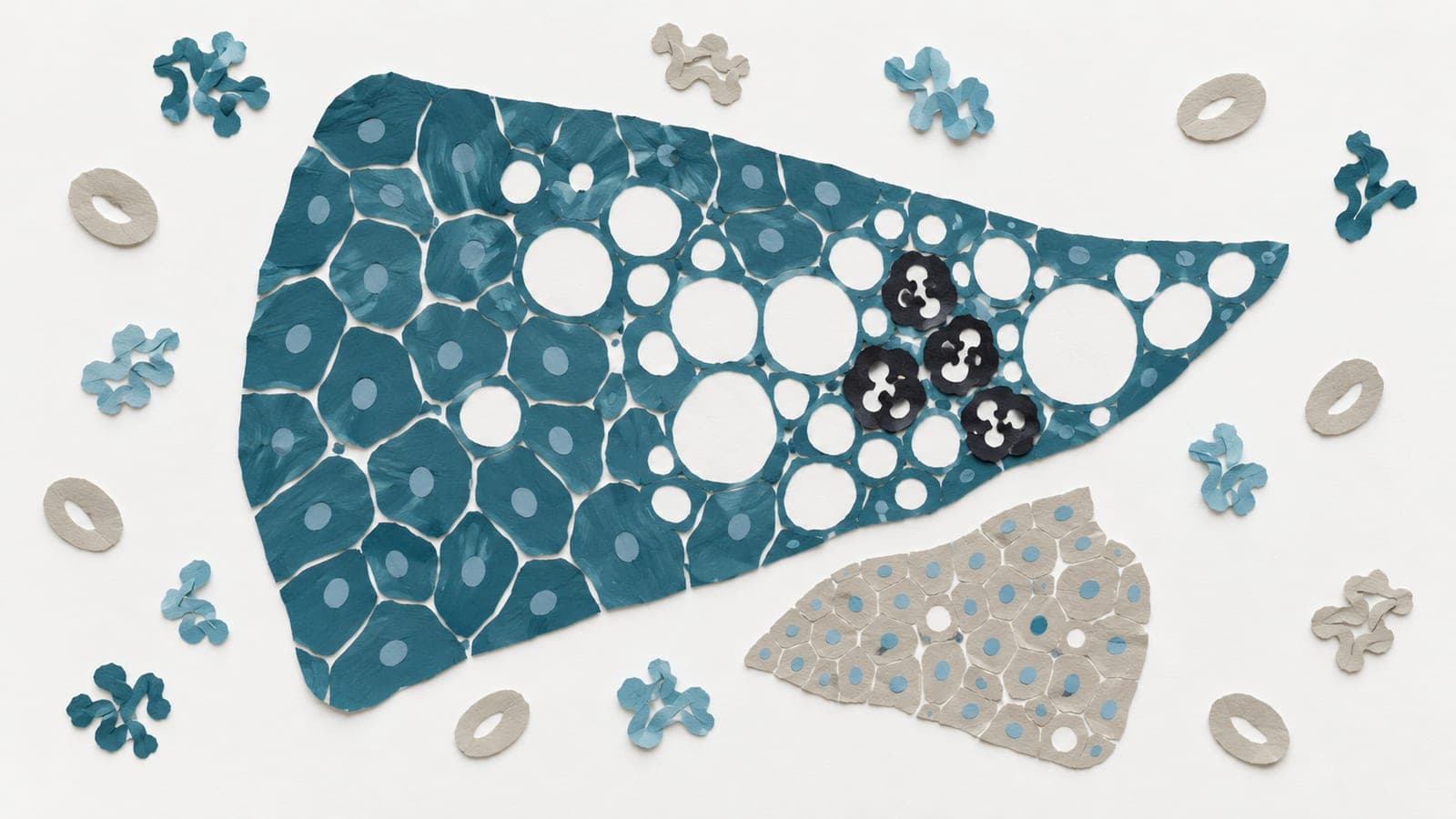
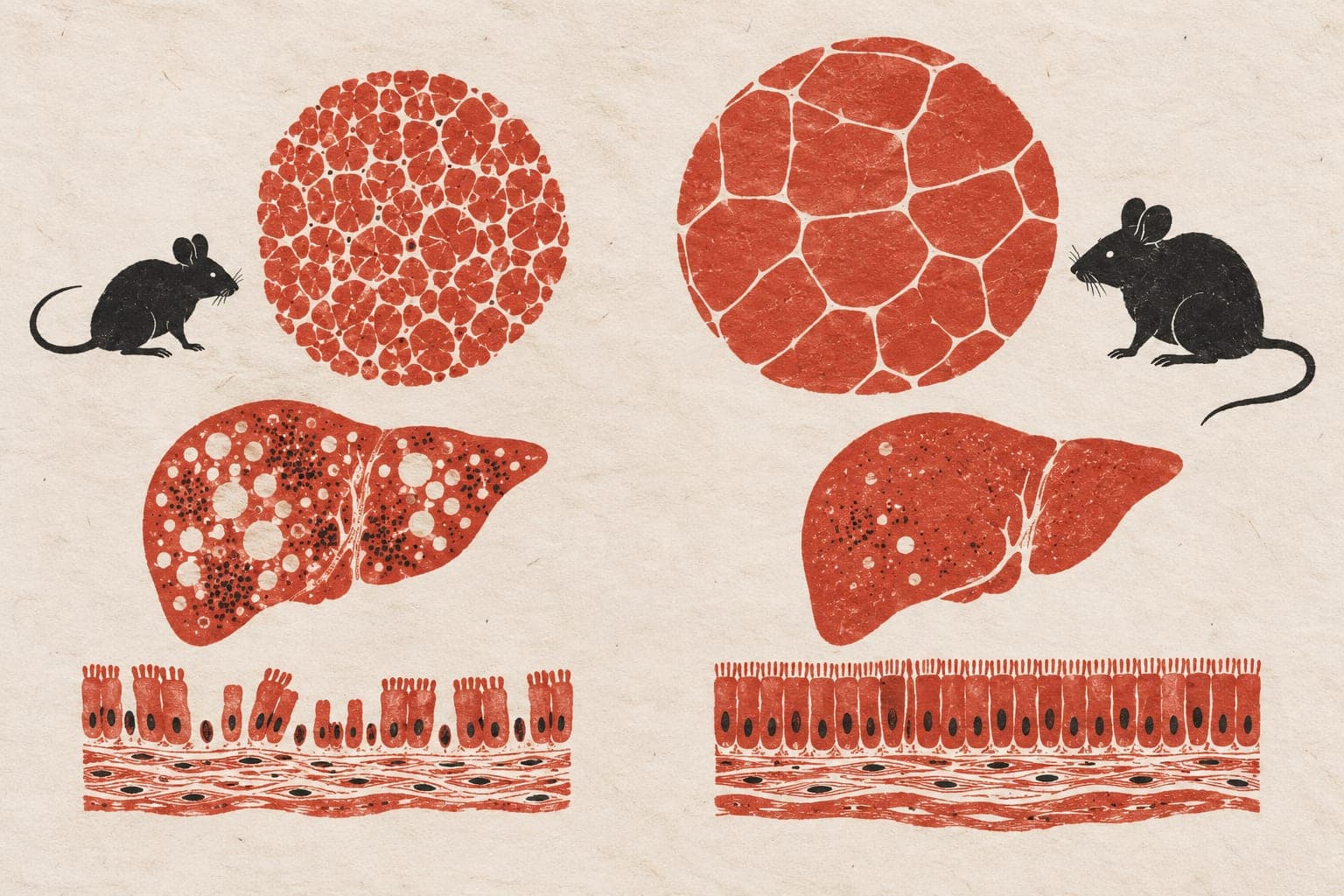
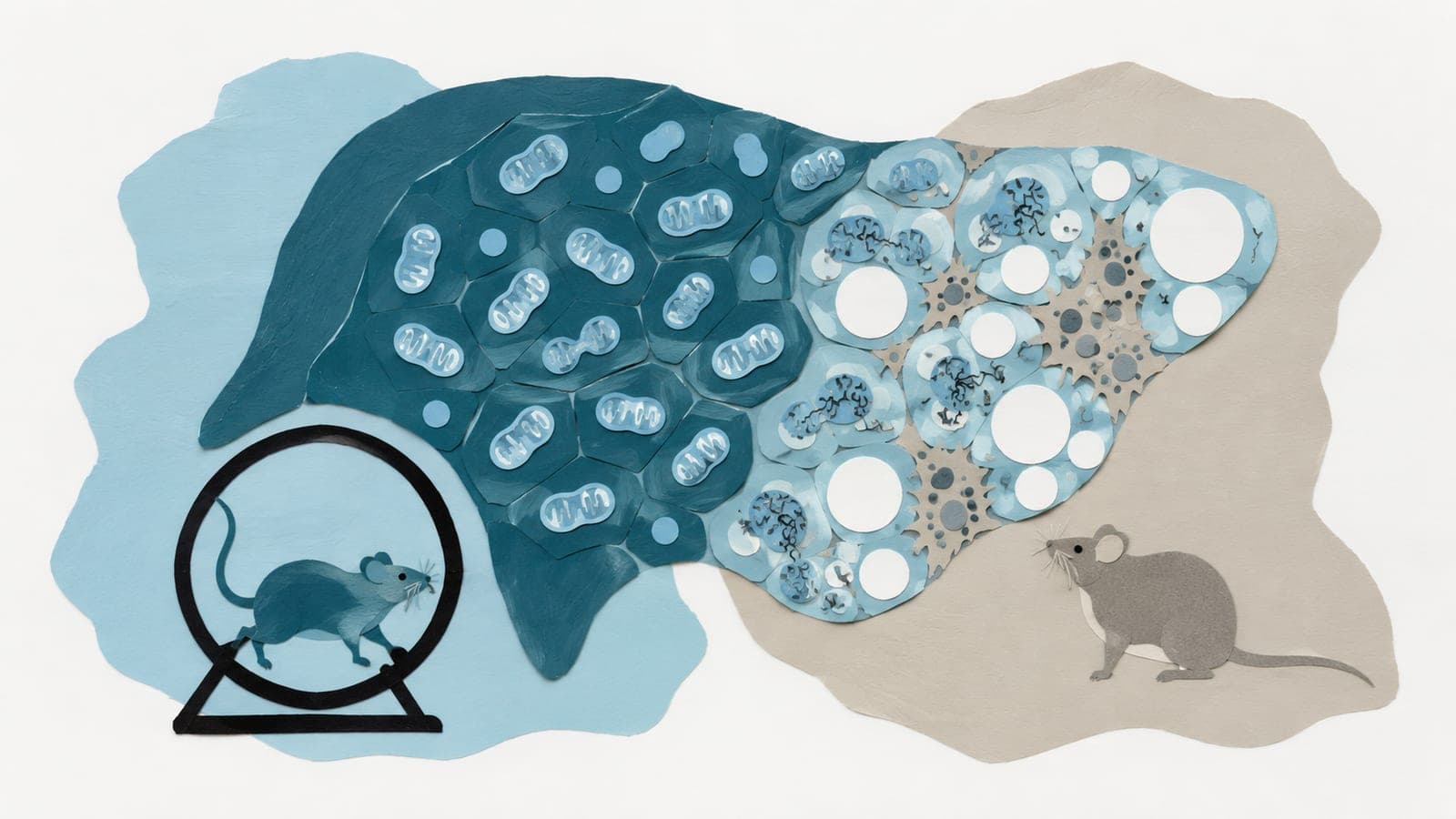
BACKGROUND: Metabolic dysfunction-associated steatotic liver disease (MASLD) is defined by the abnormal lipid deposition in hepatocytes. The prevalence of MASLD is significantly increased in the elderly population, suggesting that aging may be related to the occurrence of MASLD. Emerging evidences suggest that vitamin D receptor (VDR) may be implicated in the progression of MASLD. Therefore, additional researches are warranted to elucidate whether VDR plays a role in aging-related MASLD. AIM: To investigate the relationship between aging and MASLD and explore the role and related mechanisms of VDR in aging-related MASLD. METHODS: Cellular senescence models were established, and the senescence phenotype of telomerase RNA component knockout mice was validated. These mice were then used as a senescence model for subsequent studies. Changes in VDR expression in the livers of aging mice were examined. VDR knockdown models, including cell knockdown models and hepatic-specific VDR knockout mice, were constructed, and MASLD was established in these models. Additionally, vitamin D (VD)-supplemented models, including senescent liver cell lines and senescent mice, were constructed. RESULTS: The steatosis in senescent liver cells was more severe than in normal cells (P < 0.05). Moreover, hepatic steatosis was significantly more pronounced in senescence model mice compared to control group when the MASLD model was successfully induced (P < 0.05). Therefore, we concluded that aging aggravated hepatic steatosis. The hepatic expression of VDR increased after aging. VDR knockdown in senescent liver cells and senescent mice alleviated hepatic steatosis (P < 0.05). When senescent liver cells were stimulated with VD, cellular steatosis was aggravated (P < 0.05). However, VD supplementation had no effect on aging mice. CONCLUSION: Aging can lead to increased hepatic steatosis, and the hepatic-specific knockdown of VDR alleviated aging-related MASLD. VDR could serve as a potential molecular target for aging-related MASLD.
The paper
First Affiliated Hospital Zhejiang University
World Journal of Gastroenterology, 14 Apr 2025