Associations among age at menopause, depressive symptoms, and cognitive function
Abstract
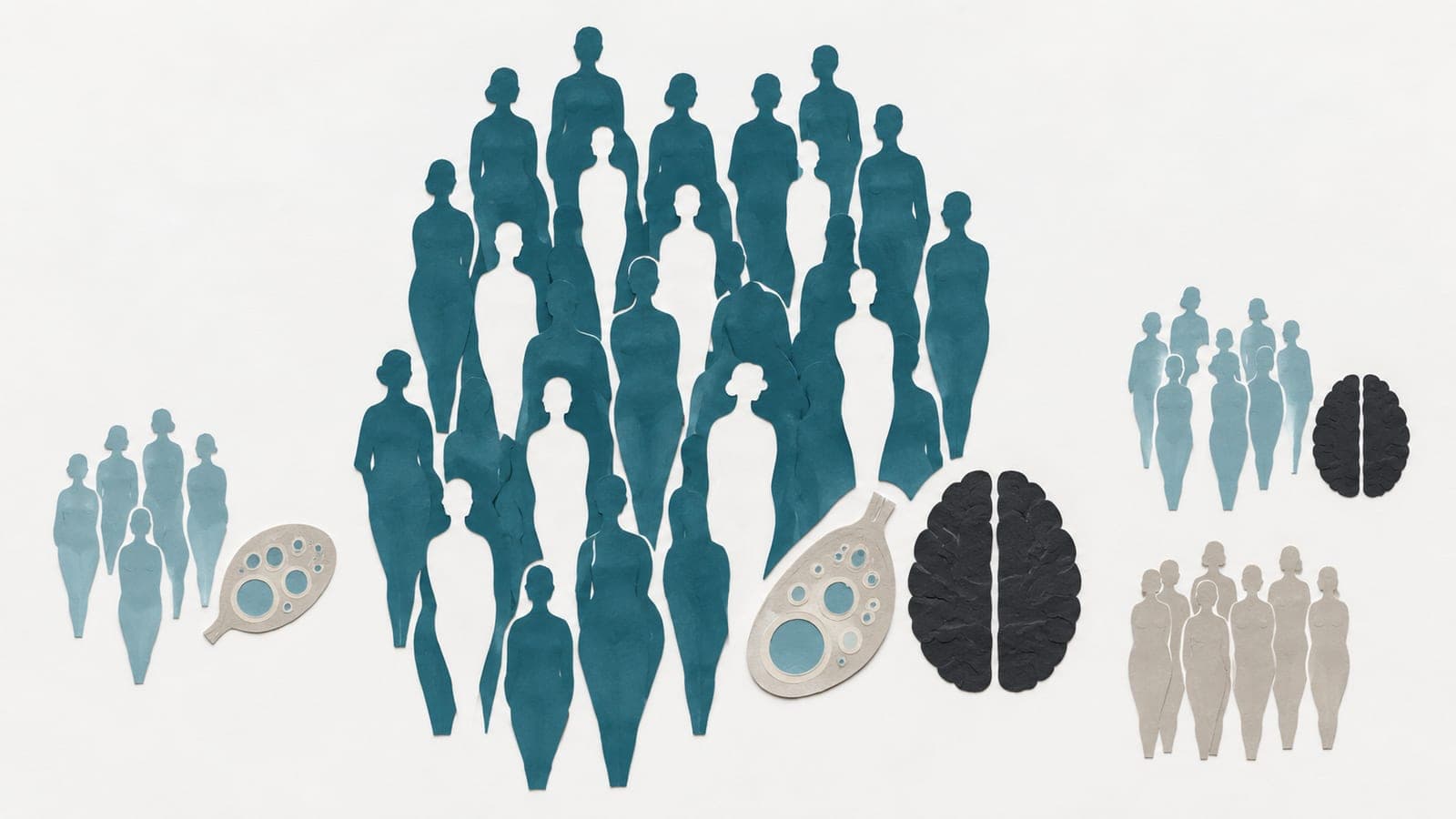
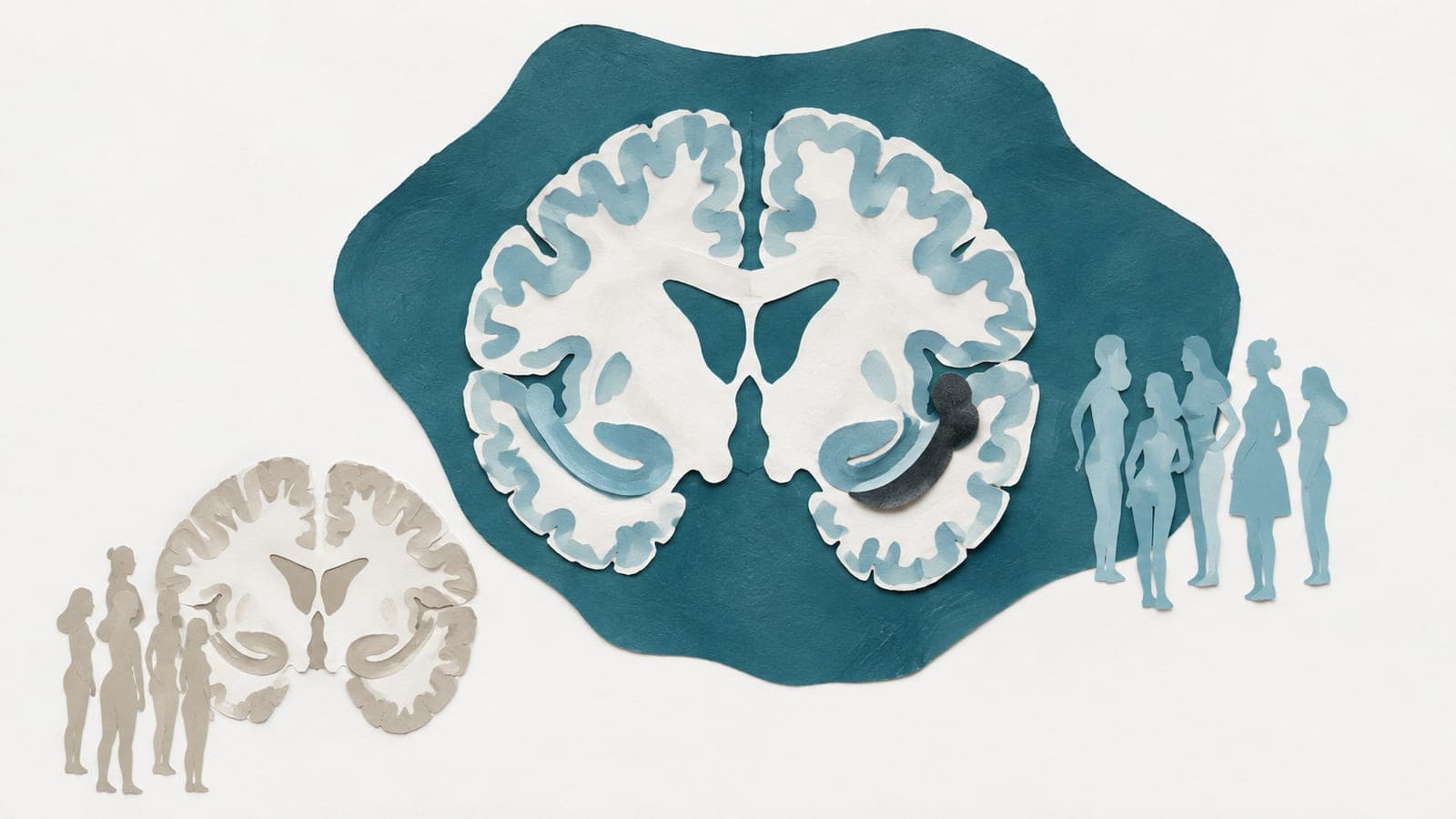
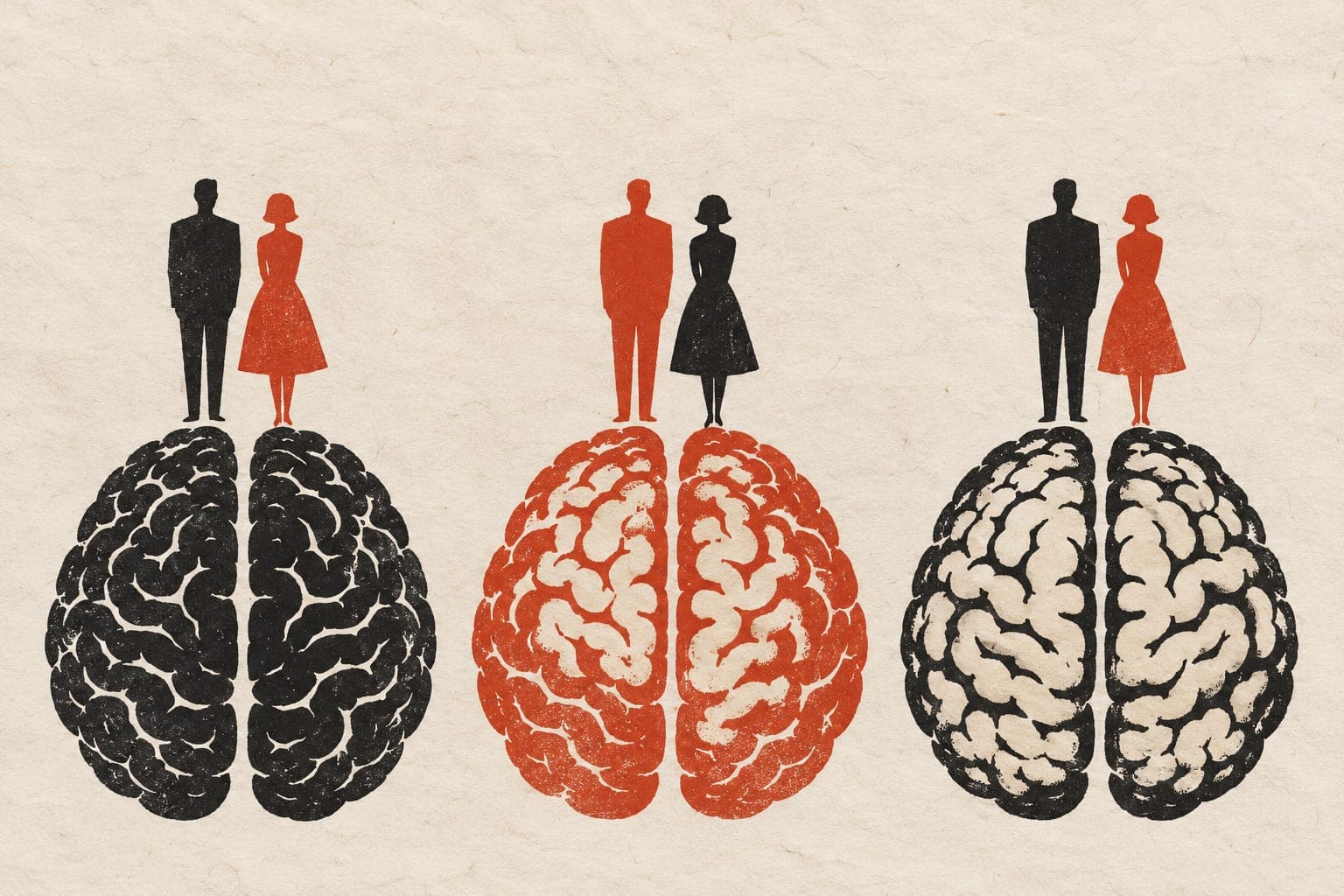
INTRODUCTION: Evidence is scarce regarding the role of menopause in age-related cognitive function trajectories associated with increased depressive symptoms. We examined the longitudinal association among sex and age at menopause, depressive symptoms, and 2-year follow-up cognitive function. METHODS: We used data from the English Longitudinal Study of Ageing, classifying age at menopause into three categories: < 40, 40 to 49, and ≥ 50 years. The study included 4726 women and 4286 men, using multilevel panel data regression to depict age trajectories. RESULTS: Later menopause (≥ 50 years) was significantly associated with fewer depressive symptoms and better cognition than earlier menopause (< 40 years). Men showed significantly fewer depressive symptoms and worse cognition than women with later menopause. DISCUSSION: Earlier menopause was significantly associated with worse 2-year follow-up cognition after adjusting for baseline depressive symptoms, cognition, and lifestyle factors. Dementia risk-reduction strategies should consider women who undergo early menopause as a sex-specific high-risk group. HIGHLIGHTS: Early menopause is associated with worse depressive symptoms and cognitive function. Early menopause is a high-risk factor for cognitive decline and depressive symptoms. Menopause at < 40 years is linked to worse orientation and immediate and delayed recall. Men exhibit worse cognitive function than women experiencing late menopause.
The paper
Tohoku University; Tokyo Metropolitan Institute of Medical Science
Alzheimer's & Dementia, 1 Apr 2025