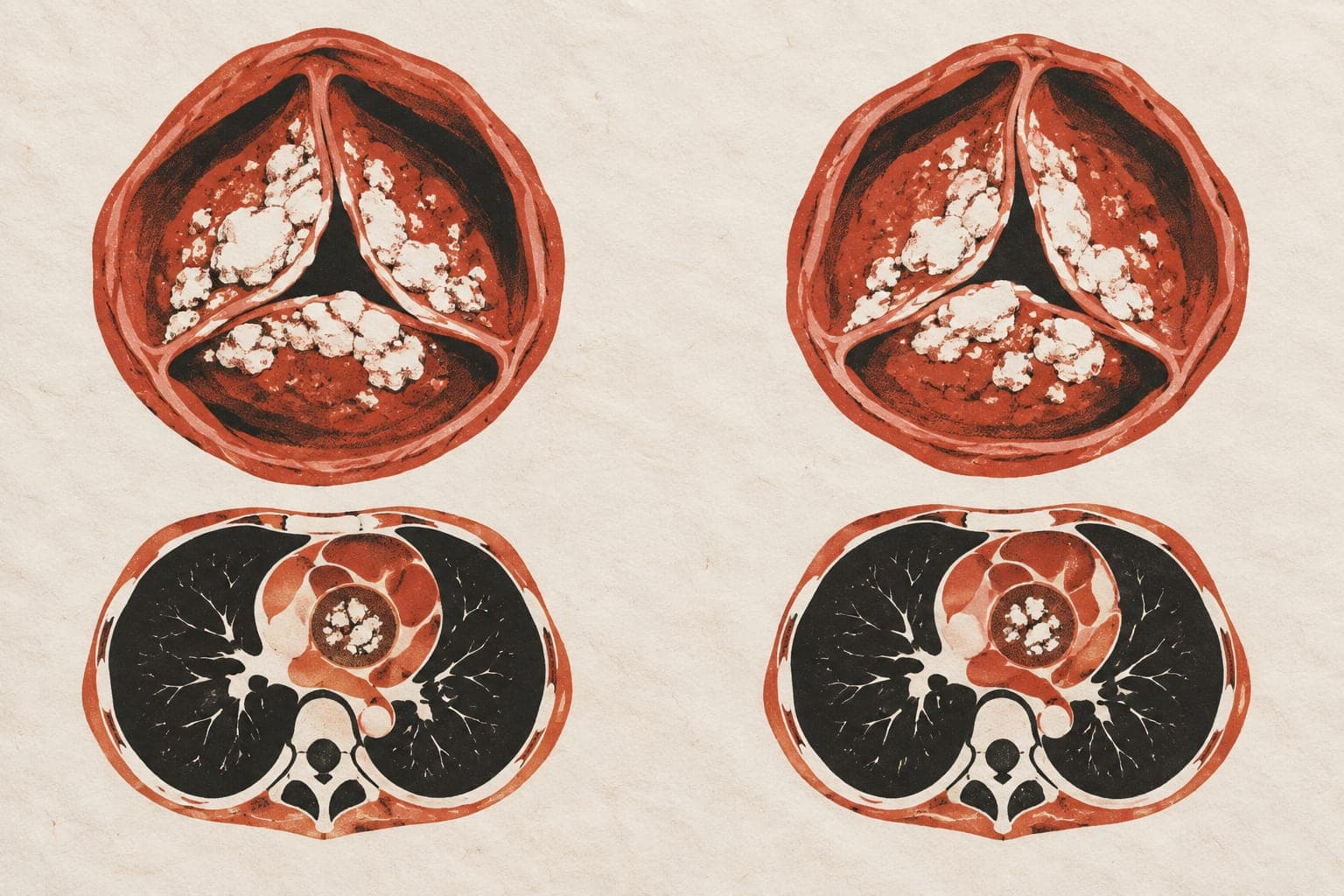
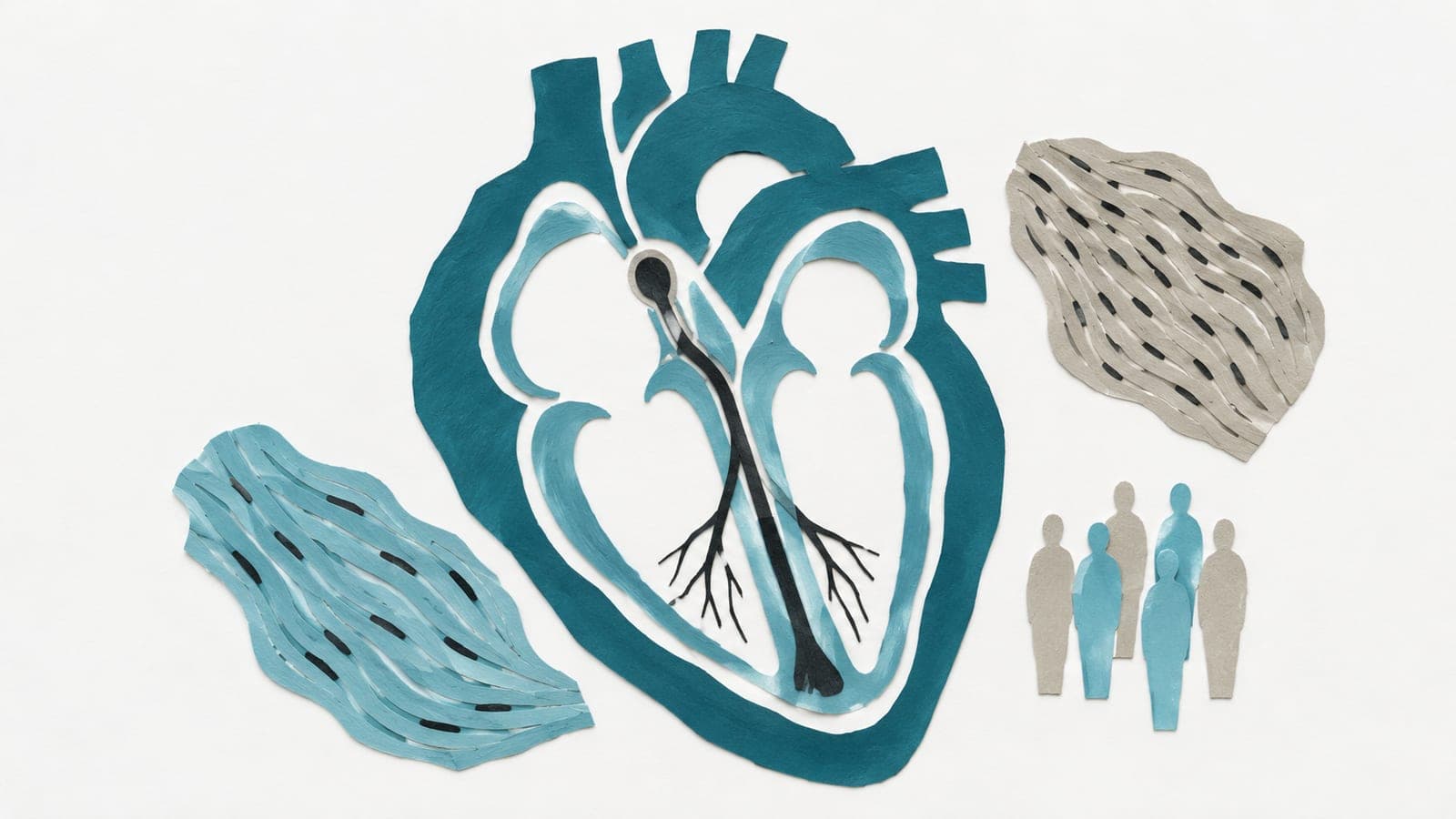
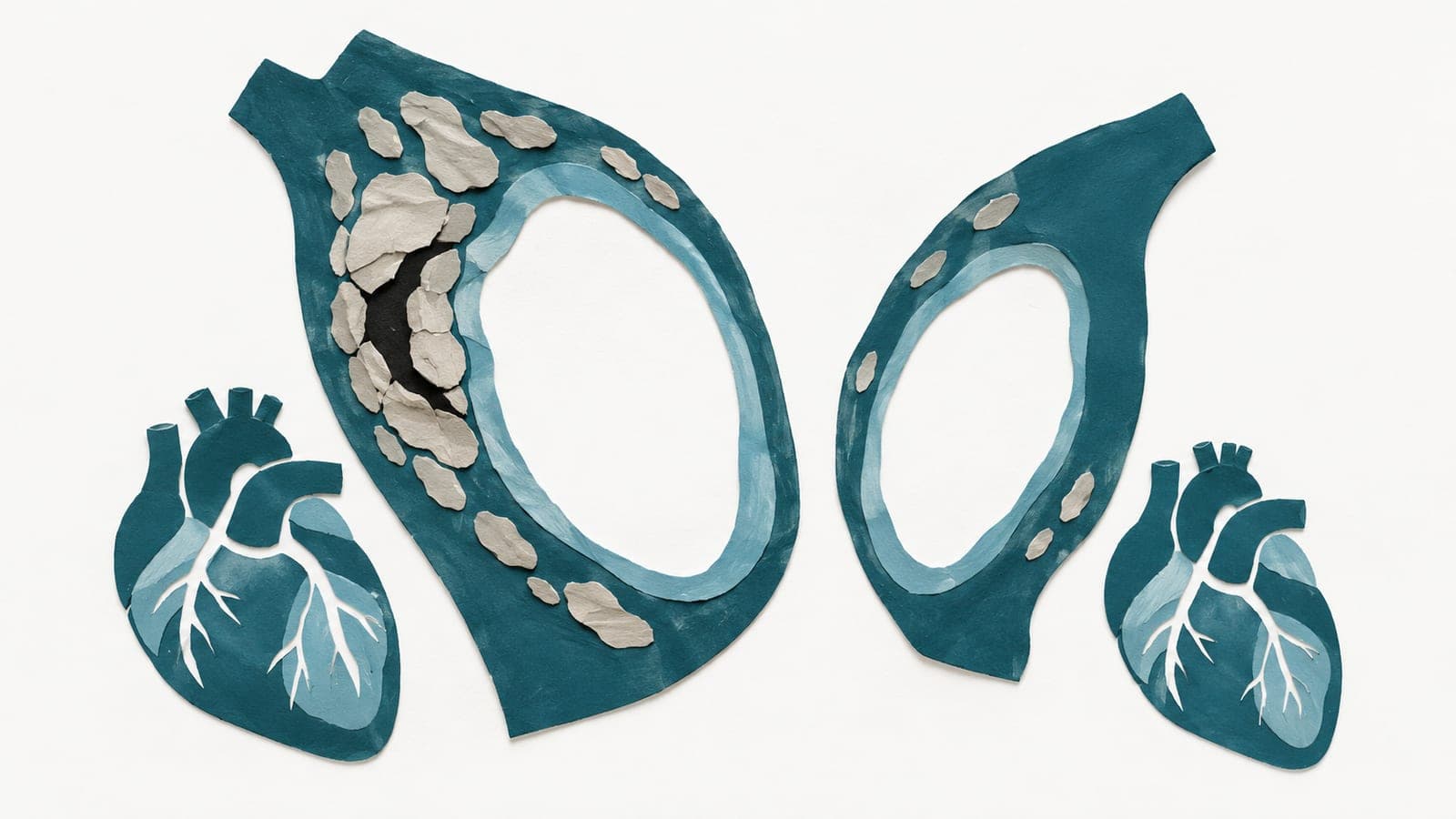
Aging of the tricuspid valve annulus detected by photon-counting detector computed tomography: Importance of aortic root compression on occurrence of arrhythmias
Abstract
BACKGROUND: The aortic root compresses the heart in elderly patients, potentially influencing the conduction system and causing atrial tachyarrhythmias. However, actual anatomic alterations in the right side of the heart because of aortic root compression have not yet been fully evaluated. OBJECTIVE: This study aimed to elucidate the alterations in the tricuspid valve annulus (TVA) caused by aortic root compression using a 3-dimensional endoscopic view of the heart constructed by photon-counting detector computed tomography, an emerging medical technology. METHODS: We analyzed 147 consecutive patients who underwent photon-counting detector computed tomography at our institute after excluding those with diseases that directly influenced the right side of the heart. RESULTS: Aortic root compression caused significant TVA deformation. We defined severe TVA compression as the length of the TVA compressed by the aortic root ≥80% of the major axis of the TVA. Severe compression was more prevalent in elderly patients (age ≥75 years [44%]; P < .01). The distance between the membranous septum and ostium of the coronary sinus was shortened, whereas the cavotricuspid isthmus was elongated in older patients. The regression analysis identified aging as a significant contributor to TVA compression. The short minor and long major axes of the TVA, incidence of atrial tachyarrhythmias (74% vs 45%; P < .01), and atrioventricular conduction disturbances (35% vs 15%; P < .01) were more frequently observed in patients with severe compression. CONCLUSION: Aortic root compression deforms the TVA and alters the anatomic relationship between the atrioventricular conduction system and the cavotricuspid isthmus. Therefore, aortic root compression may contribute to the occurrence of atrial tachyarrhythmias and conduction disturbances in older patients.
The paper
Okayama University
Heart Rhythm, 5 Apr 2025, Open access, accepted manuscript