Taiwan population-based epigenetic clocks and their application to long-term air pollution exposure
Abstract
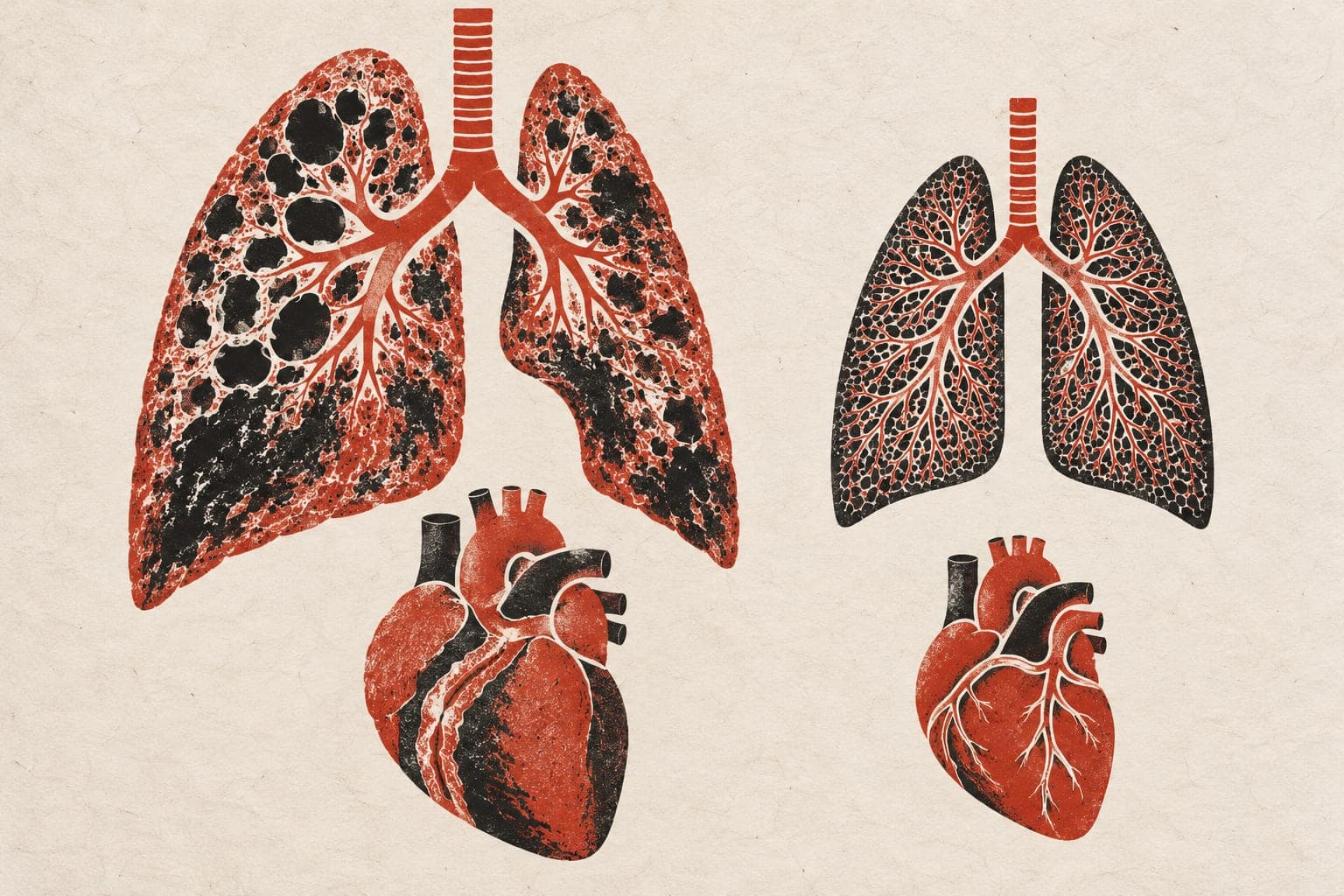
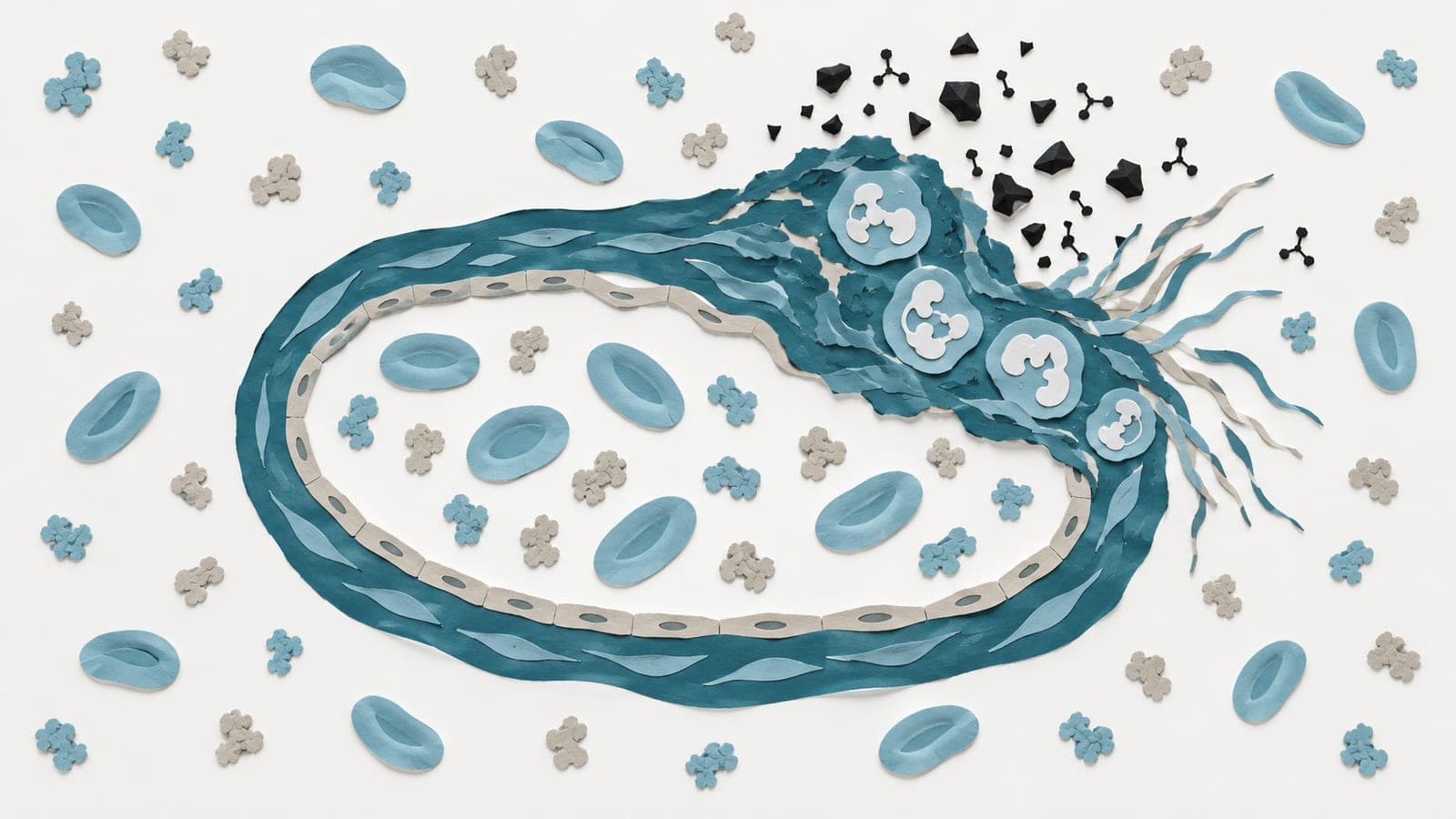
Most epigenetic clocks have been developed in populations of European or Hispanic descent; therefore, population-specific models are needed for Asian cohorts to enhance predictive accuracy and generalizability. This study aims to develop epigenetic clocks in a Taiwanese cohort and examine the association between long-term air pollution exposure and epigenetic age acceleration (EAA). The Taiwan Biobank (TWB) has been recruiting community-based adults aged 30-70 years since 2012, enrolling 173,806 participants by the end of 2022. Among them, 2,469 participants were selected for serum DNA methylation (DNAm) analysis. Epigenetic ages were estimated using penalized elastic net regression, with residuals defined as TWB-based epigenetic age acceleration (TWBEAA) and healthy-subset-based acceleration (TWBhEAA). Additionally, four previously established EAAs were obtained using Horvath's online DNA Methylation Age Calculator: DNAmEAA, DNAmSBEAA, PhenoEAA, and GrimEAA. Air pollution exposure levels at participants' residential townships were estimated from pre-1 day to pre-1 year using a kriging-based spatial interpolation method. Associations were assessed using multiple linear regression models, with robustness verified through Bayesian Kernel Machine Regression (BKMR). The TWBAge (325 CpG sites) and TWBhAge (179 CpG sites) prediction models demonstrated high accuracy (R² = 0.95) in predicting chronological age. In the single-pollutant model, pre-1 year PM2.5 exposure was significantly associated with TWBhEAA (β = 0.67 [0.14-1.19], year) and DNAmEAA (β = 0.93 [0.03-1.83], year), while O₃ exposure showed a positive association with DNAmSBEAA (β = 0.53 [0.29-0.77], year) and a negative association with GrimEAA (β = -0.44 [-0.70 to -0.17], year). BKMR analysis confirmed these findings. This study is among the first attempts to develop epigenetic clocks tailored for Asian population, providing evidence of air pollution's role in accelerating biological aging. Our findings highlight PM2.5 and O₃ exposure as major contributors to EAA, emphasizing the need for air pollution mitigation strategies to promote healthier aging.
The paper
National Taiwan University; National Health Research Institutes
Environmental Research, 3 Apr 2025