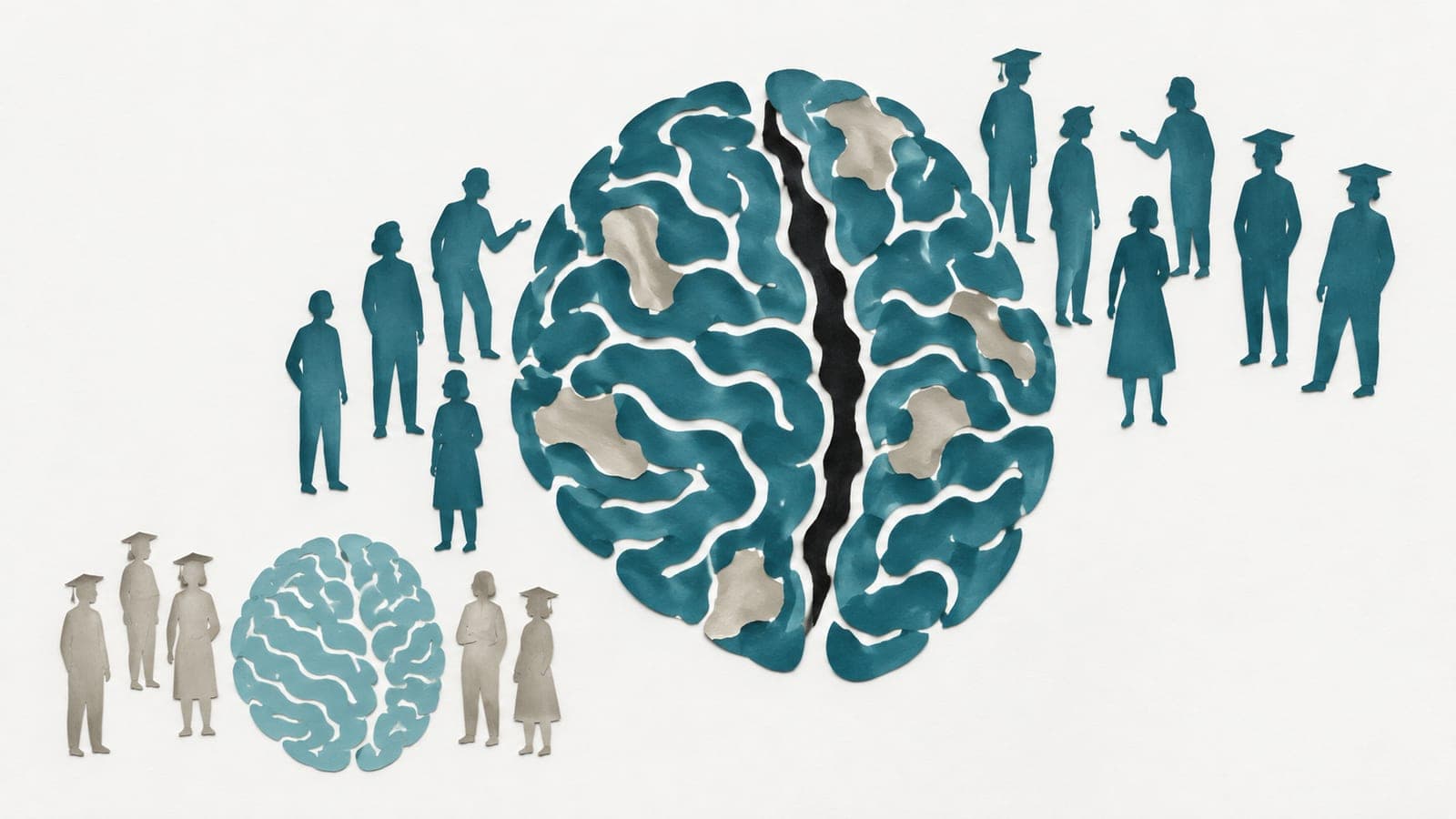
Educational disparities in 20-year trajectories of psychological well-being in a national sample
Abstract
Long-term trajectories of psychological well-being were investigated using data from a national longitudinal study known as MIDUS (Midlife in the U.S.) The central question was whether educational status and age were associated with gains, losses, or persistent disadvantage on widely studied dimensions of eudaimonic well-being such as personal growth, purpose in life, and self-acceptance. Findings from a sample of adults (N = 6908), aged 25-74 at baseline, showed primarily loss across the 20-year period (1995-2015). Those with a high school education or less showed persistently lower levels of six distinct aspects of well-being compared to those with more education across time. In addition, purpose in life declined for all age groups. Losses over time for autonomy, environmental mastery, and personal growth were steeper for the oldest age group (i.e., 61 years and older) compared to younger (i.e., 40 years and younger) and midlife (i.e., 41-60 years) adults, while losses for self-acceptance were steepest for young adults compared to the two older age groups. The role of structural inequalities in understanding variation in these well-being trajectories and their implications for future health are considered.
The paper
University of Colorado Denver; University of Wisconsin–Madison
Scientific Reports, 3 Apr 2025, Open access