Nicotinamide Mononucleotide and Nicotinamide Riboside Improve Dyslipidemia and Fatty Liver but Promote Atherosclerosis in Apolipoprotein E Knockout Mice
Abstract
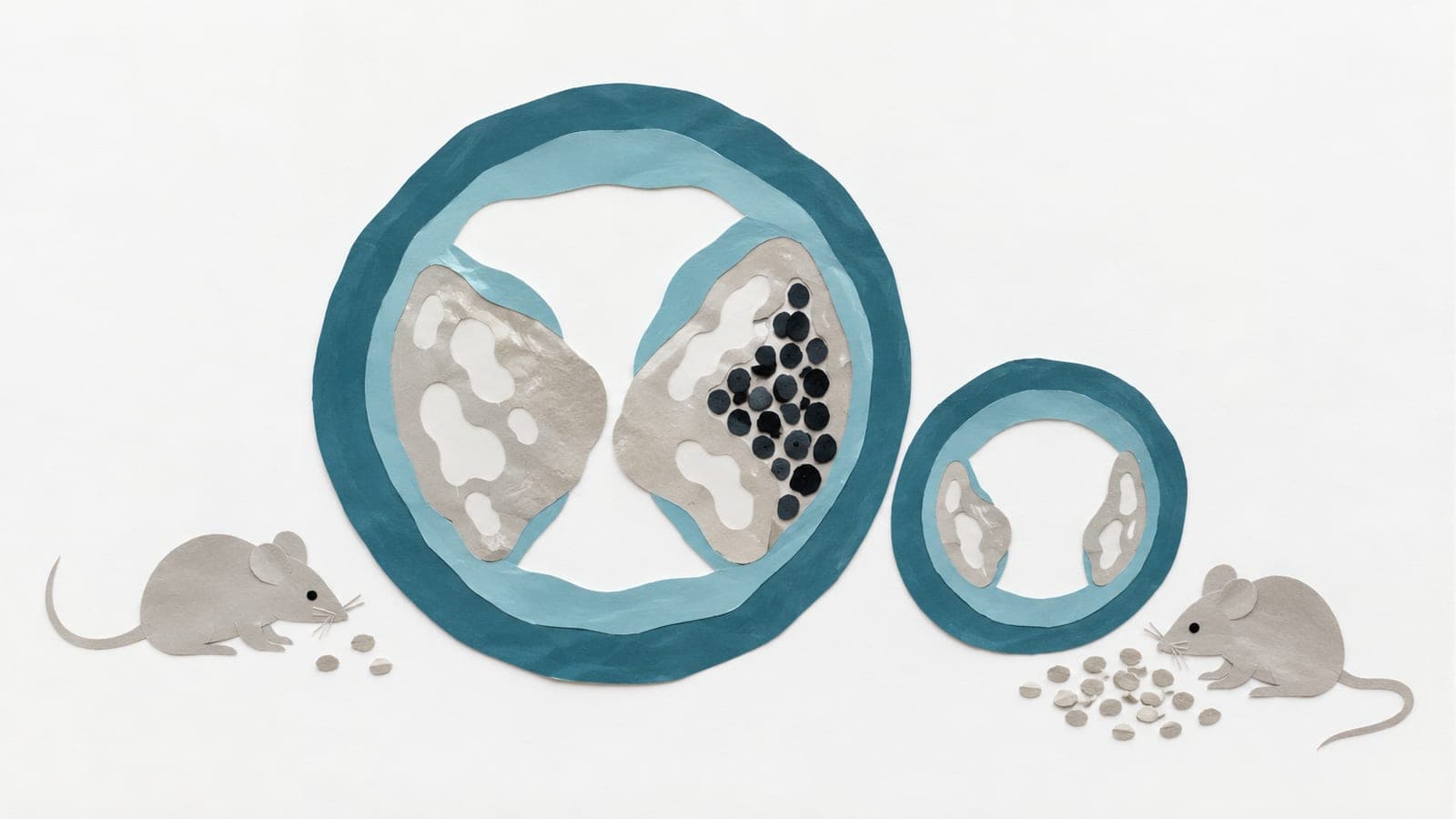
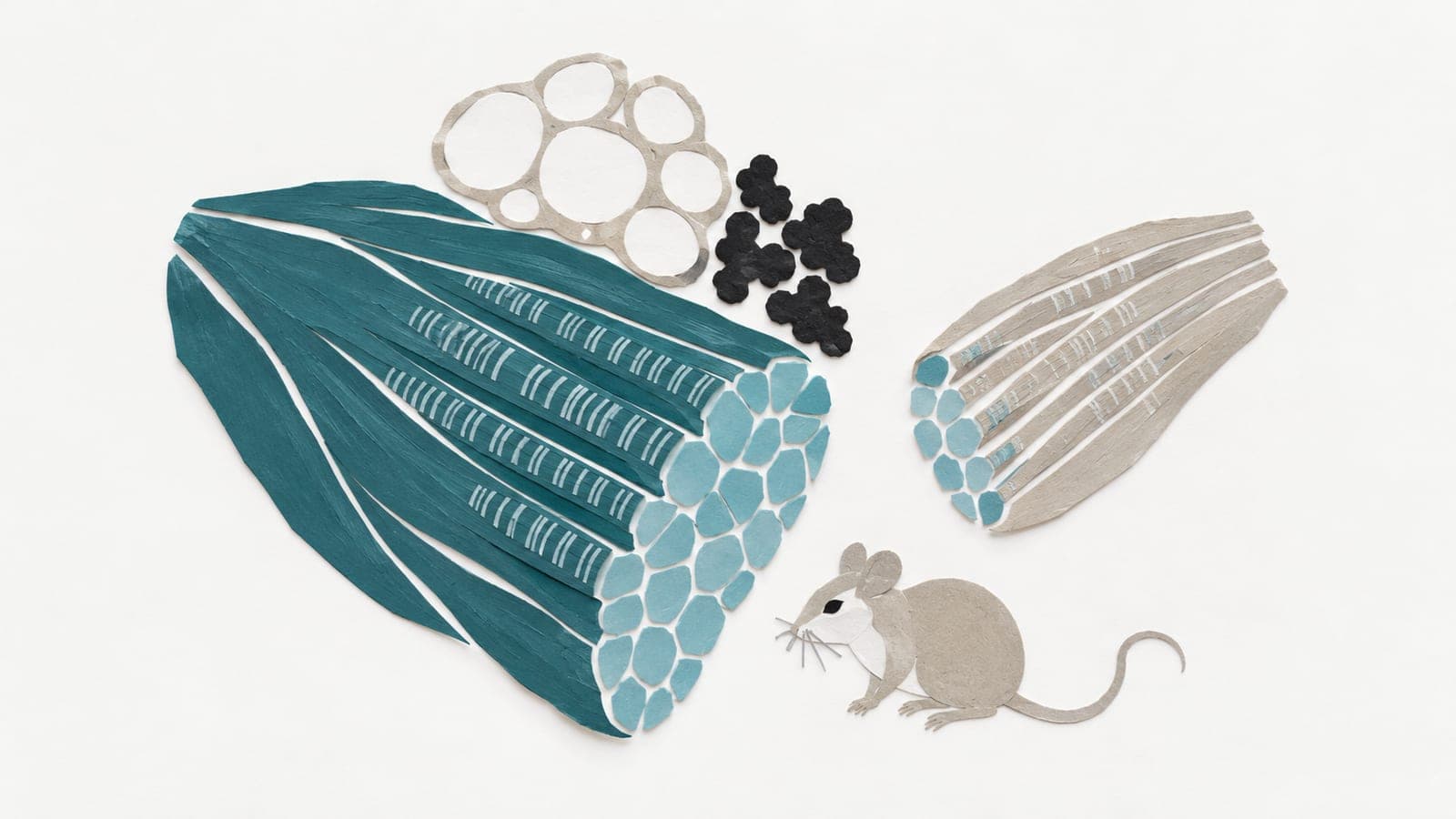
Background: Nicotinamide mononucleotide (NMN) and nicotinamide riboside (NR) are intermediary products in NAD+ metabolism. NMN and NR supplementation can elevate NAD+ levels in tissues, addressing health issues associated with aging and obesity. However, the impact of NMN and NR on atherosclerosis remains incompletely elucidated. Methods: C57BL/6J and Apolipoprotein E knockout (ApoE-/-) mice were used to explore the impact of NMN and NR supplementation on serum lipids, fatty liver, and atherosclerosis. Additionally, various suppliers, administration protocols, and doses on ApoE-/- mice were investigated. Results: The intragastric administration of NMN (300 mg/kg) and NR (230 mg/kg) reduced body weight, serum lipids, and fatty liver but aggravated atherosclerosis in ApoE-/- mice after 4 months of administration with different suppliers. Atherosclerosis also deteriorated after 2 months of different NMN administration protocols (intragastric and water administration) in ApoE-/- mice with existing plaques. The effects of NMN were dose-dependent, and doses around 100 mg/kg had little harmful effects on atherosclerosis. Conclusions: NMN and NR improve dyslipidemia and fatty liver but promote atherosclerosis in ApoE-/- mice. These findings emphasize the safe dosage for the clinical trials of NMN.
The paper
Second Military Medical University
Pharmaceuticals, 20 Feb 2025, Open access