Molecular crosstalk and potential causal mechanisms of rheumatoid arthritis and sarcopenia co-morbidity: A gene integration analysis
Abstract
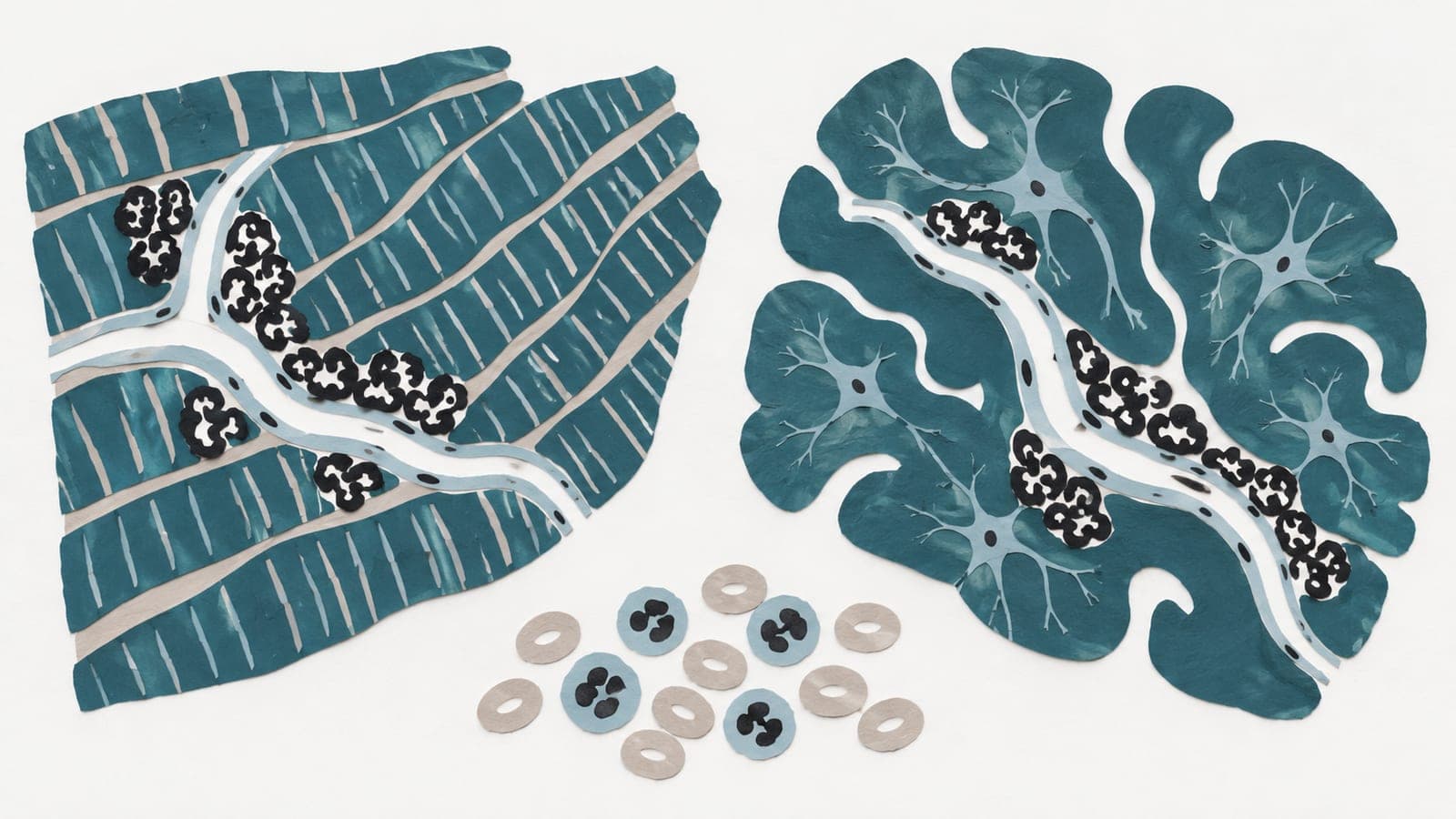
INTRODUCTION: Rheumatoid arthritis (RA) promotes the onset and progression of sarcopenia, yet mechanisms of co-morbidity between RA and sarcopenia are under-explored. Therefore, this study integrated Gene Expression Omnibus (GEO) and Genome-wide association studies (GWAS) data to comprehensively identify shared genes, associated mechanisms, and biological pathways in RA and sarcopenia. METHODS: Utilizing two GEO datasets-GSE226151, which includes 60 RNA-seq samples of skeletal muscle from healthy aged, pre-sarcopenia, and sarcopenia individuals, and GSE55235, with 20 RNA-seq samples of synovial tissue from healthy and RA joints-we performed differentially expressed genes analysis, weighted gene co-expression network analysis to identify crosstalk genes in RA and sarcopenia, and enrichment analysis for these genes. Using relevant GWAS datasets, SMR analyses and cis-eQTL analyses were performed. We further validated and identified key crosstalk genes and explored potential causal associations between key crosstalk genes and RA and sarcopenia-related traits. RESULTS: We identified 25 crosstalk genes shared between RA and sarcopenia, which are involved in immune-inflammatory response pathways, including neutrophil extracellular trap formation and Fc gamma receptor-mediated phagocytosis. SMR analysis further identified six core crosstalk genes: NCF1, FCGR2A, FCGR3A, SORL1, FCGR3B, and ITGAX (PSMR < 0.05). cis-eQTL analysis showed that FCGR2A might have a negative causal association with appendicular lean mass, whole body fat-free mass, and a positive causal association with RA (P < 0.05). CONCLUSION: Overall, this study is the first to reveal the molecular crosstalk between RA and sarcopenia, identifying 25 shared genes and key immune-inflammatory response-related pathways. Further SMR and cis-eQTL analyses were conducted to validate six core genes, with FCGR2A emerging as a potential drug target for RA-associated sarcopenia. These findings provide new insights into the comorbid mechanisms of RA and sarcopenia, offering potential therapeutic targets for both conditions.
The paper
Chengdu University of Traditional Chinese Medicine
Experimental Gerontology, 11 Mar 2025