Targeting endothelial cells: A novel strategy for pulmonary fibrosis treatment
Abstract
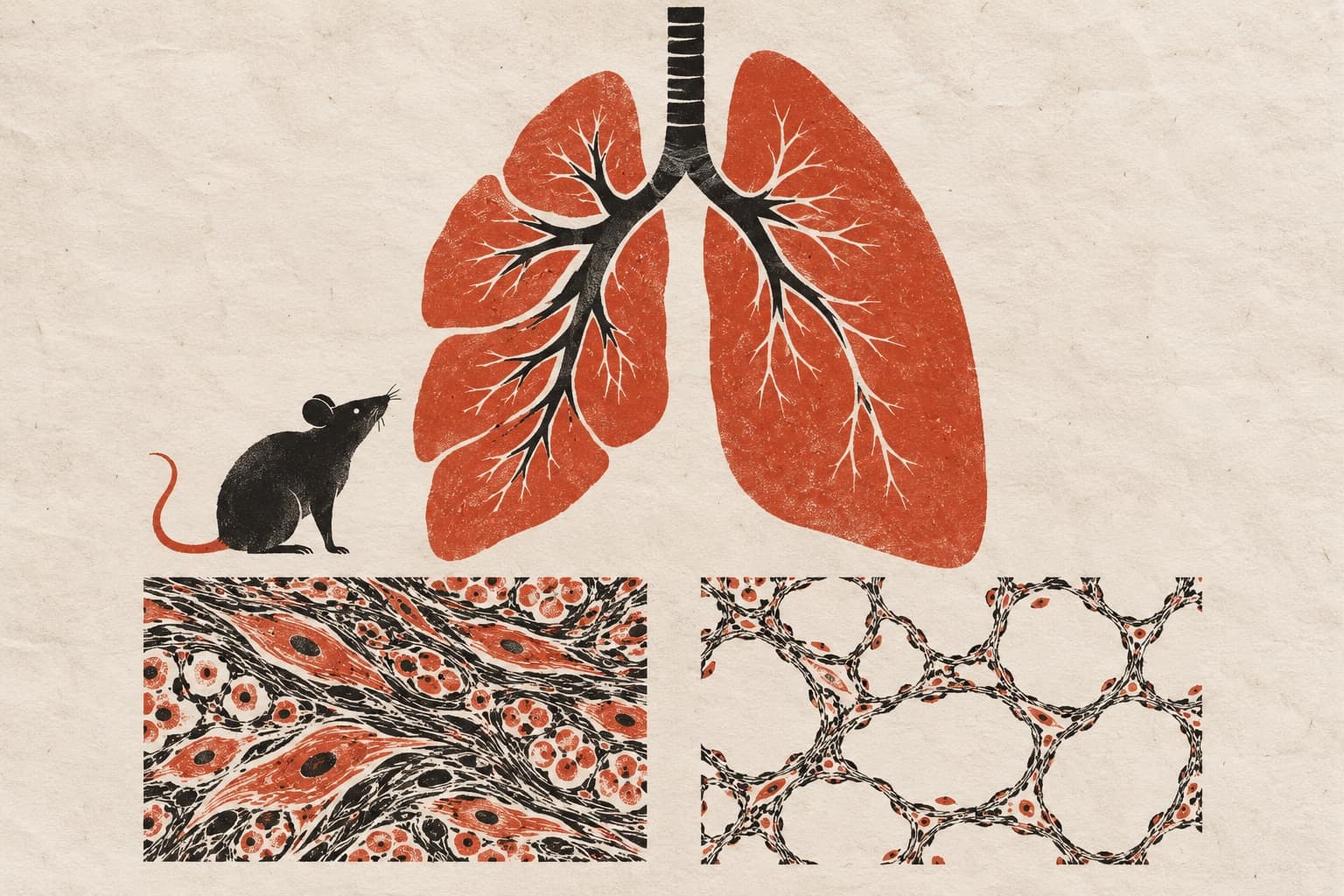
Endothelial cells (ECs) are a monolayer of flat cells lining the inner surfaces of blood and lymphatic vessels. They play a key role in many physiological and pathological processes. Specifically, they maintain vascular permeability and structural stability and participate in immune responses, inflammation, coagulation, and other vital functions. ECs play a decisive role in various age-related diseases; however, their involvement in pulmonary fibrosis (PF) remains poorly understood. PF refers to a group of chronic interstitial lung diseases characterised by progressive scarring of the pulmonary parenchyma, primarily caused by aberrant tissue repair mechanisms. These changes lead to irreversible loss of lung function. Although the exact pathophysiological mechanism underlying PF has not yet been elucidated, recent studies have indicated that ECs may play a pivotal role in PF. This review outlines the involvement of pulmonary vascular ECs in PF, focusing on the regulation of vascular remodelling and endothelial barrier integrity and on the maintenance of angiogenesis through EC-specific markers, such as vascular endothelial growth factor. This review also explores processes such as endothelial-to-mesenchymal transition, immune cell interactions, anti-EC antibody reactions, metabolic dysregulation, and cellular senescence. By elucidating recent advancements in understanding the role of ECs in PF and examining drugs targeting ECs for the treatment of PF, this study provides novel insights into the pathological mechanisms of PF and the development of endothelium-based therapeutic agents.
The paper
University of Science and Technology of China
European Journal of Pharmacology, 5 Mar 2025