Age-Associated Perinexal Narrowing Masks Consequences of Sodium Channel Gain of Function in Guinea Pig Hearts
Abstract
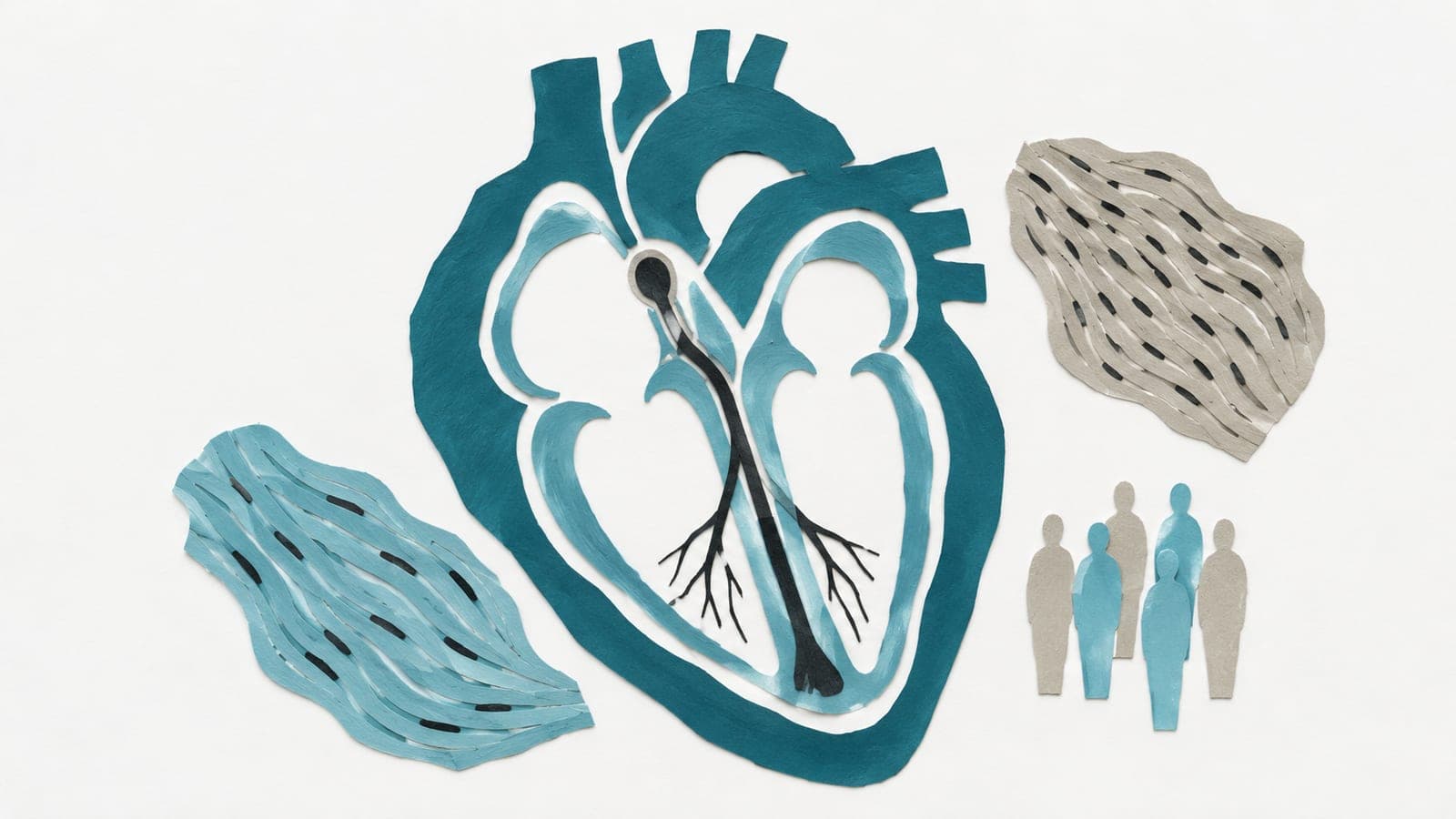
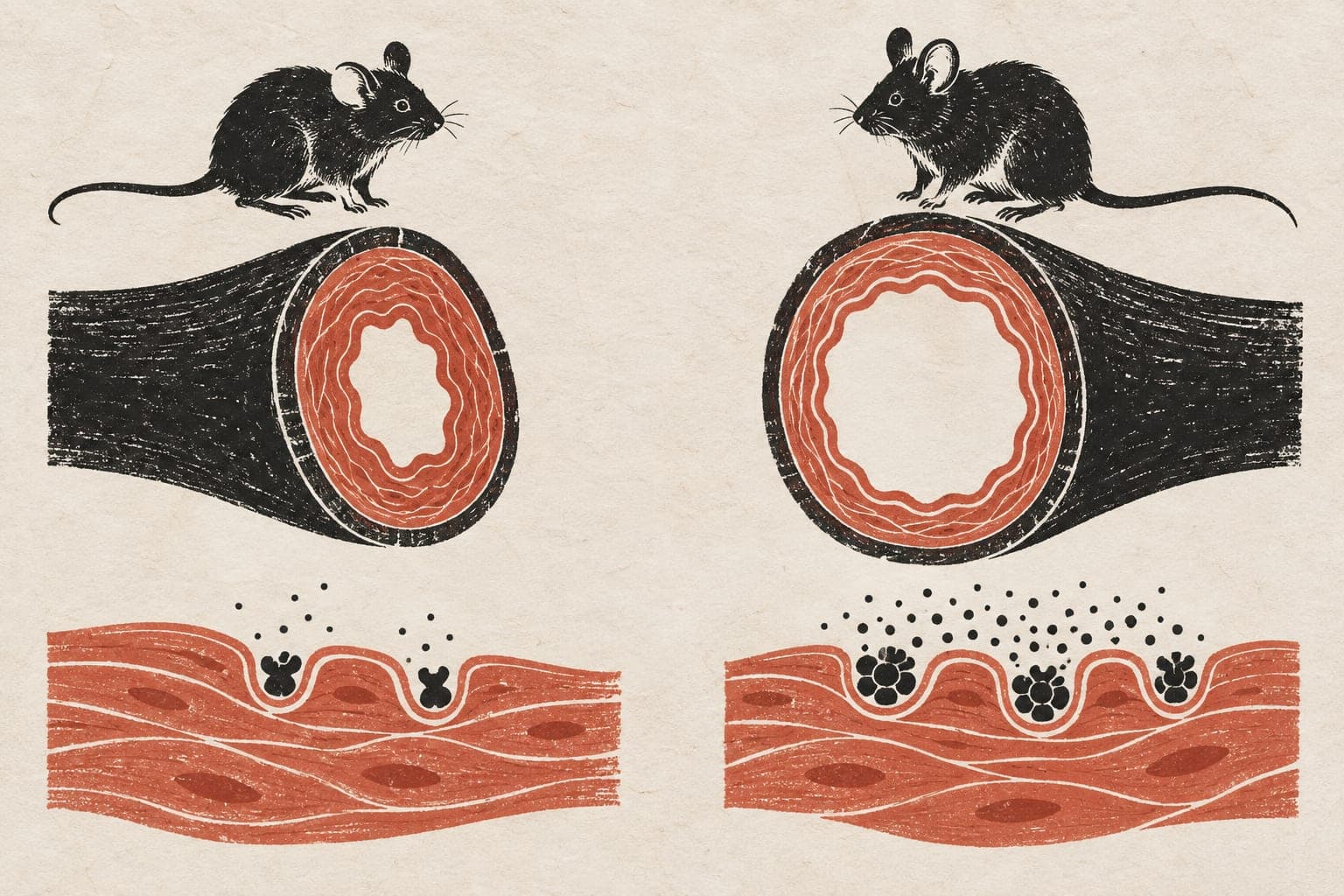
BACKGROUND: Voltage-gated sodium channel gain of function (NavGOF) is associated with an elevated risk for cardiac arrhythmia. Recent studies have demonstrated that NavGOF can be exacerbated by widening the sodium channel-rich perinexus next to gap junction plaques. Clinically, the incidence of NavGOF-related cardiac events increases with advancing age. However, the impact of aging on perinexal changes and contribution to age-related risk for arrhythmias in NavGOF remains unclear. OBJECTIVES: The aim of this study was to test the hypothesis that age-related increase in arrhythmogenic risk is associated with perinexal remodeling in a model of NavGOF. METHODS: NavGOF was pharmacologically induced in isolated adult (3 months, n = 17) and aged (15 months, n = 19) guinea pig hearts. Epicardial action potentials were optically mapped, and age-associated perinexal remodeling was measured with transmission electron microscopy. RESULTS: NavGOF electrical phenotypes were comparable between adult and aged hearts despite their exacerbation after perinexal widening. The similarity in these phenotypes may be masked by the narrower perinexus with aging. Furthermore, perinexal widening led to a high incidence of arrhythmias in aged NavGOF hearts, whereas no arrhythmias were induced in adult NavGOF hearts. This increased incidence of arrhythmias in aged NavGOF hearts following perinexal widening may be associated with the increased dispersions of epicardial action potential duration and transmural repolarization. CONCLUSIONS: Perinexal widening exacerbates arrhythmogenic propensity with age, primarily by heterogeneously increasing action potential duration, whereas perinexal narrowing appears to be adaptive and cardio protective in the context of NavGOF.
The paper
Virginia Tech
JACC Clinical Electrophysiology, 5 Mar 2025, Open access