Eukaryotic Elongation Factor 2 Kinase EFK-1/eEF2K promotes starvation resistance by preventing oxidative damage in C. elegans
Abstract
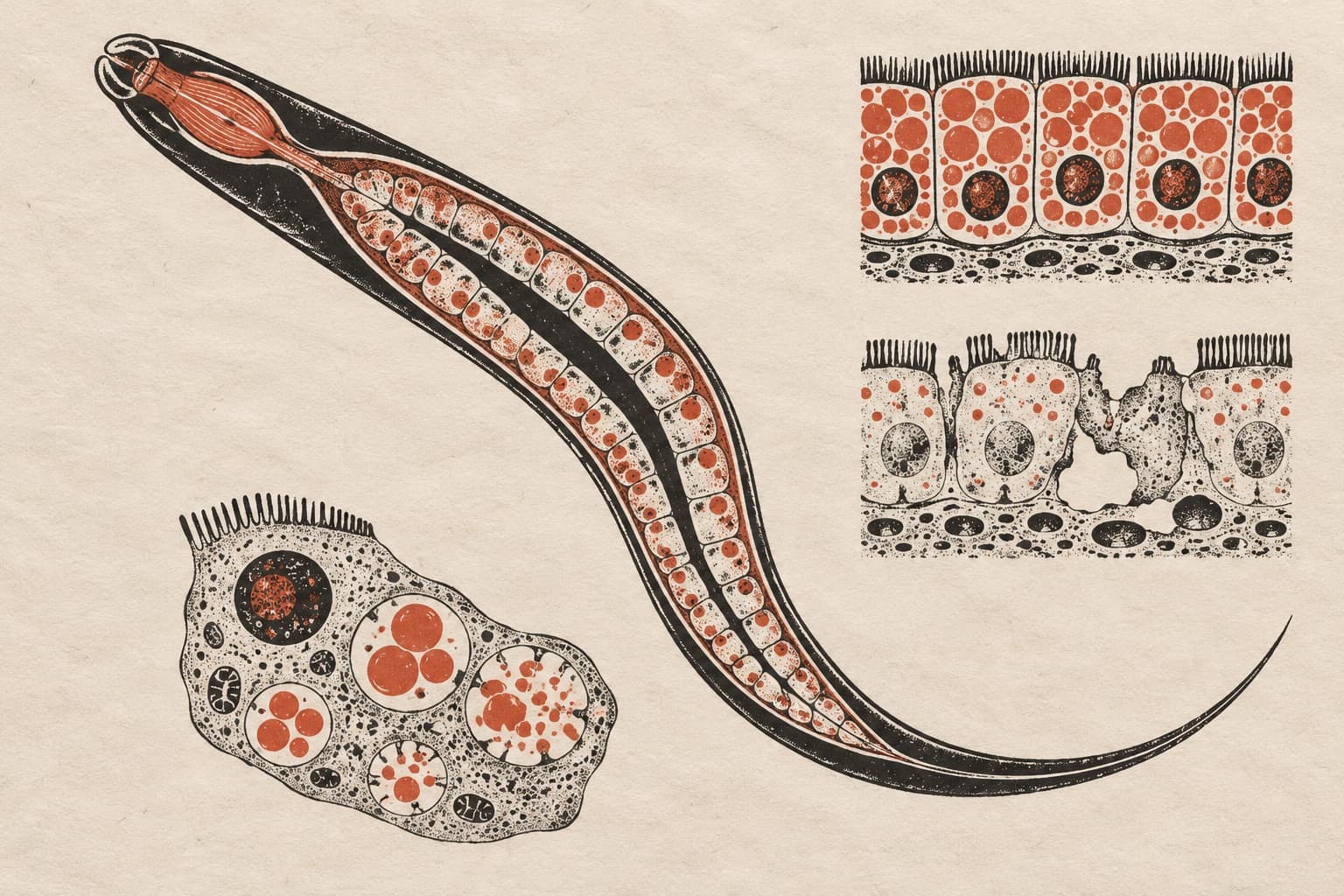
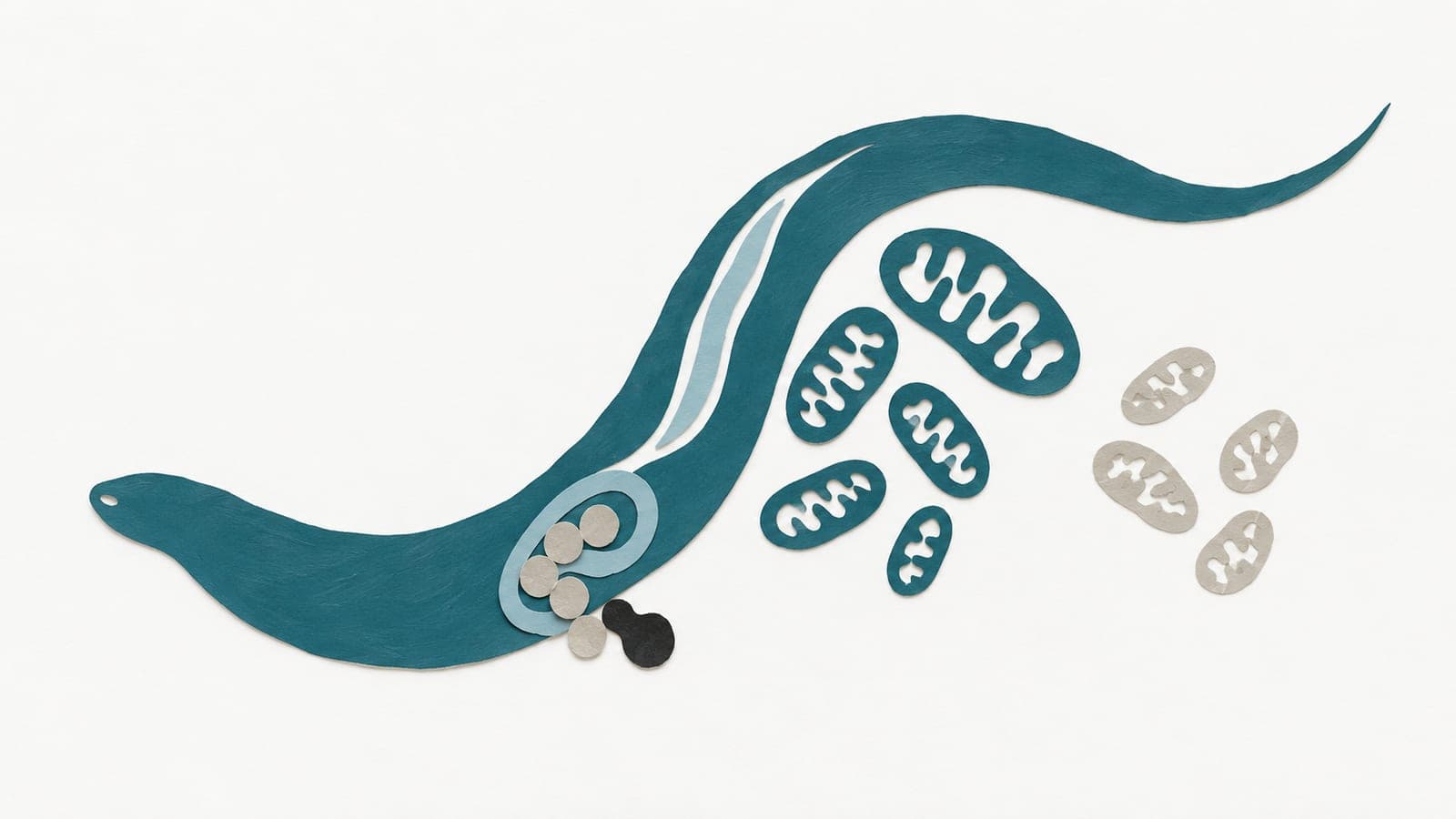
Cells and organisms frequently experience starvation. To survive, they mount an evolutionarily conserved stress response. A vital component in the mammalian starvation response is eukaryotic elongation factor 2 (eEF2) kinase (eEF2K), which suppresses translation in starvation by phosphorylating and inactivating the translation elongation driver eEF2. C. elegans EFK-1/eEF2K phosphorylates EEF-2/eEF2 on a conserved residue and is required for starvation survival, but how it promotes survival remains unclear. Surprisingly, we found that eEF2 phosphorylation is unchanged in starved C. elegans and EFK-1's kinase activity is dispensable for starvation survival, suggesting that efk-1 promotes survival via a noncanonical pathway. We show that efk-1 upregulates transcription of DNA repair pathways, nucleotide excision repair (NER) and base excision repair (BER), to promote starvation survival. Furthermore, efk-1 suppresses oxygen consumption and ROS production in starvation to prevent oxidative stress. Thus, efk-1 enables starvation survival by protecting animals from starvation-induced oxidative damage through an EEF-2-independent pathway.
The paper
University of British Columbia
Nature Communications, 18 Feb 2025, Open access