Age- and Genotype-Dependent Effects of Chronic Nicotine on Presenilin1/2 Double Knockout Mice: From Behavior to Molecular Pathways
Abstract
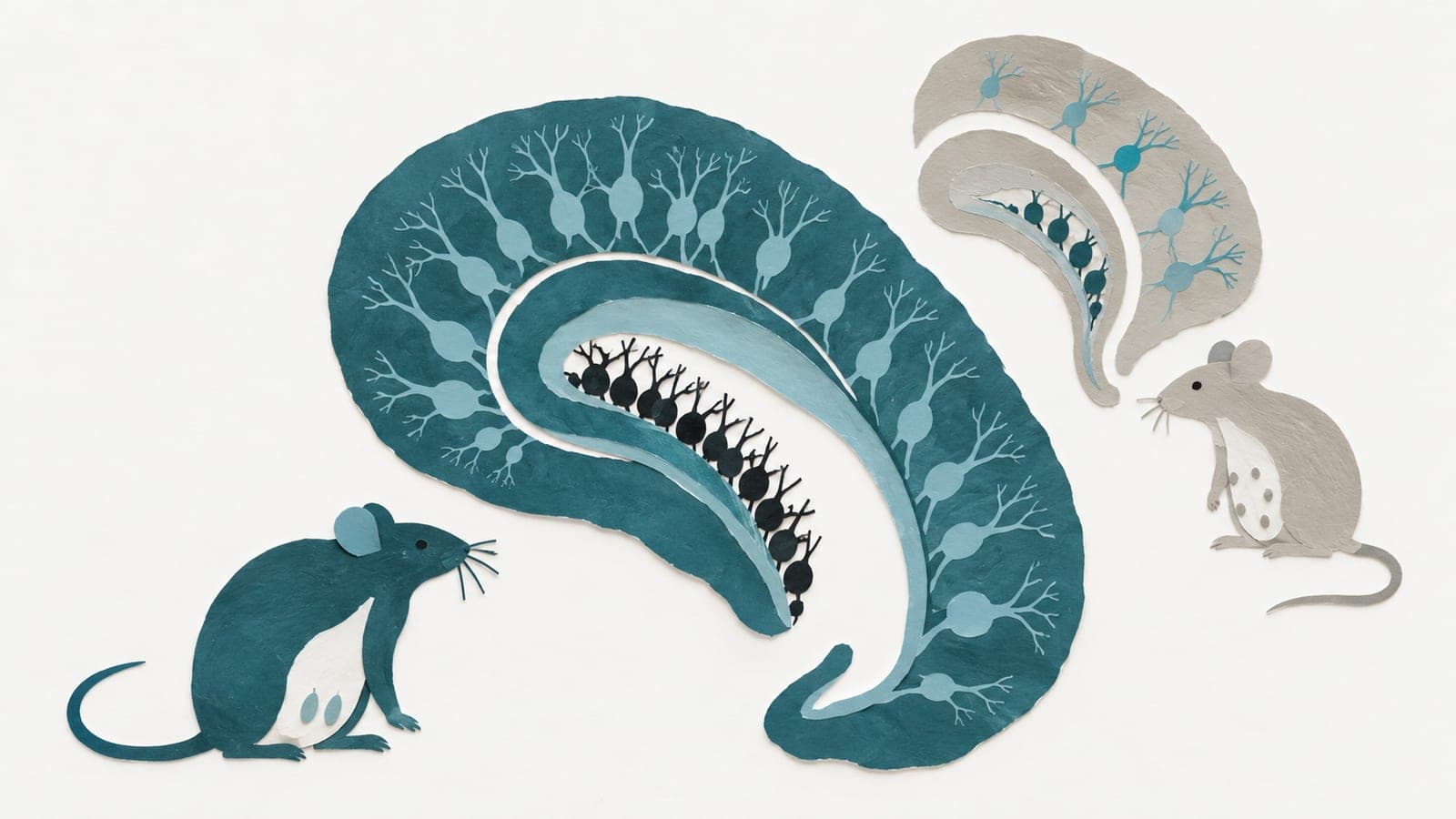
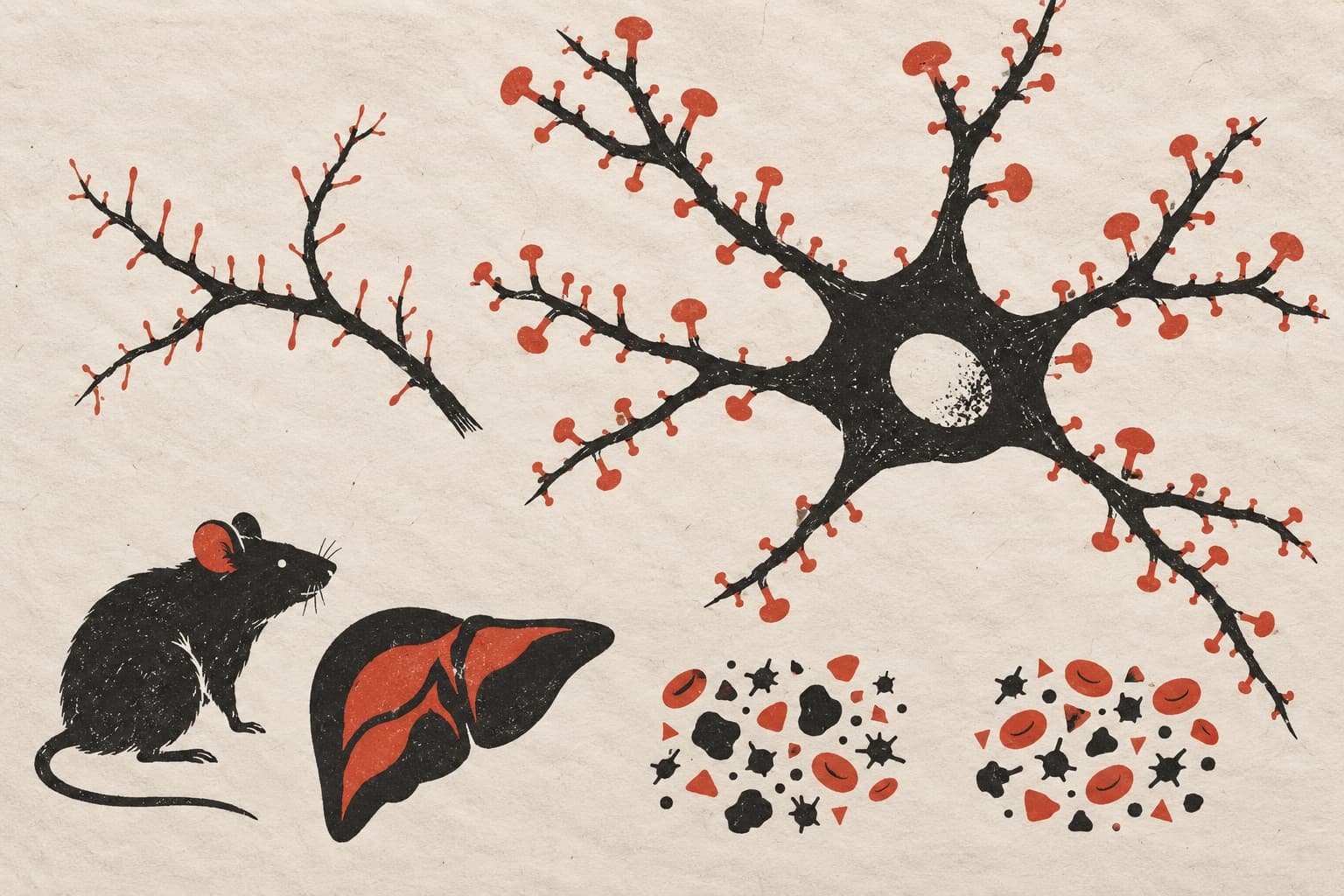
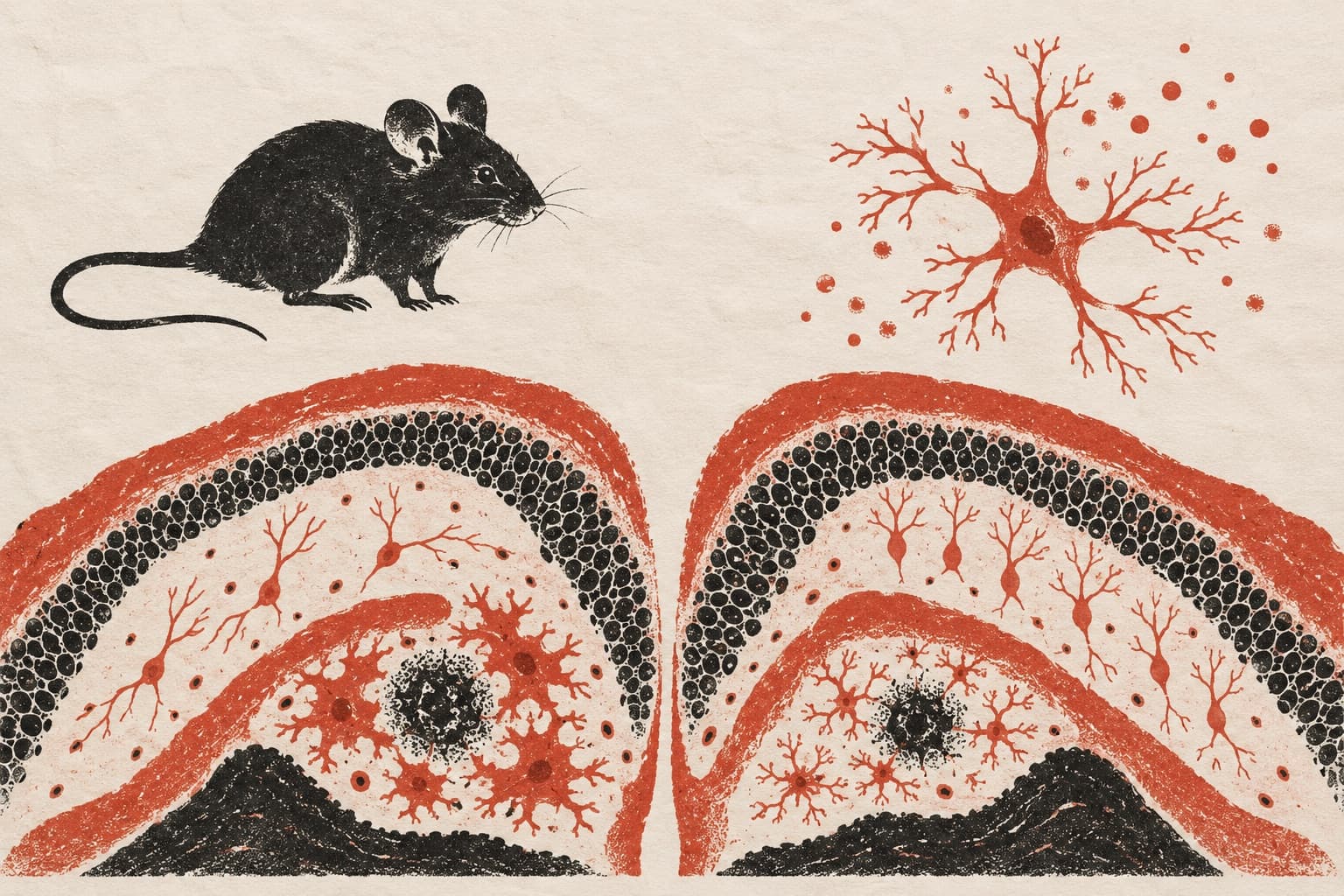
INTRODUCTION: The potential therapeutic role of nicotine in Alzheimer's disease (AD) remains controversial, particularly regarding its age-dependent effects and underlying mechanisms. METHODS: This study investigated the impact of chronic nicotine administration on cognitive function and molecular pathways in Presenilin 1/2 double knockout (DKO) mice, an amyloid-β: (Aβ:)- independent model of AD. Three-month-old and eight-month-old DKO and wild-type (WT) mice received oral nicotine treatment (100 μg/ml) for three months. Behavioral assessments revealed that while the 6-month-old cohort showed no significant differences between nicotine-treated and control groups regardless of genotype, nicotine improved contextual fear memory in 11-month- old DKO mice but impaired nest-building ability and cued fear memory in age-matched WT controls. Transcriptome analysis of the prefrontal cortex identified distinct molecular responses to nicotine between genotypes. RESULTS: In DKO mice, nicotine modulated neuropeptide signaling and reduced astrocyte activation, while in WT mice, it disrupted cytokine-cytokine receptor interaction and neuroactive ligand- receptor interaction pathways. Western blot analysis revealed that nicotine treatment significantly reduced tau hyperphosphorylation and Glial Fibrillary Acidic Protein (GFAP) expression in 11-month-old DKO mice, which was further confirmed by immunohistochemistry showing decreased astrocyte activation in multiple brain regions CONCLUSION: These findings demonstrate that nicotine's effects on cognition and molecular pathways are both age- and genotype-dependent, suggesting its therapeutic potential may be limited to specific stages of neurodegeneration while potentially having adverse effects in healthy aging brains.
The paper
East China Normal University; Joint Institute of Tobacco and Health
Current Alzheimer Research, 1 Jan 2024