Stability of locus coeruleus cell counts despite volume loss in cognitively impaired aged rhesus macaques
Abstract
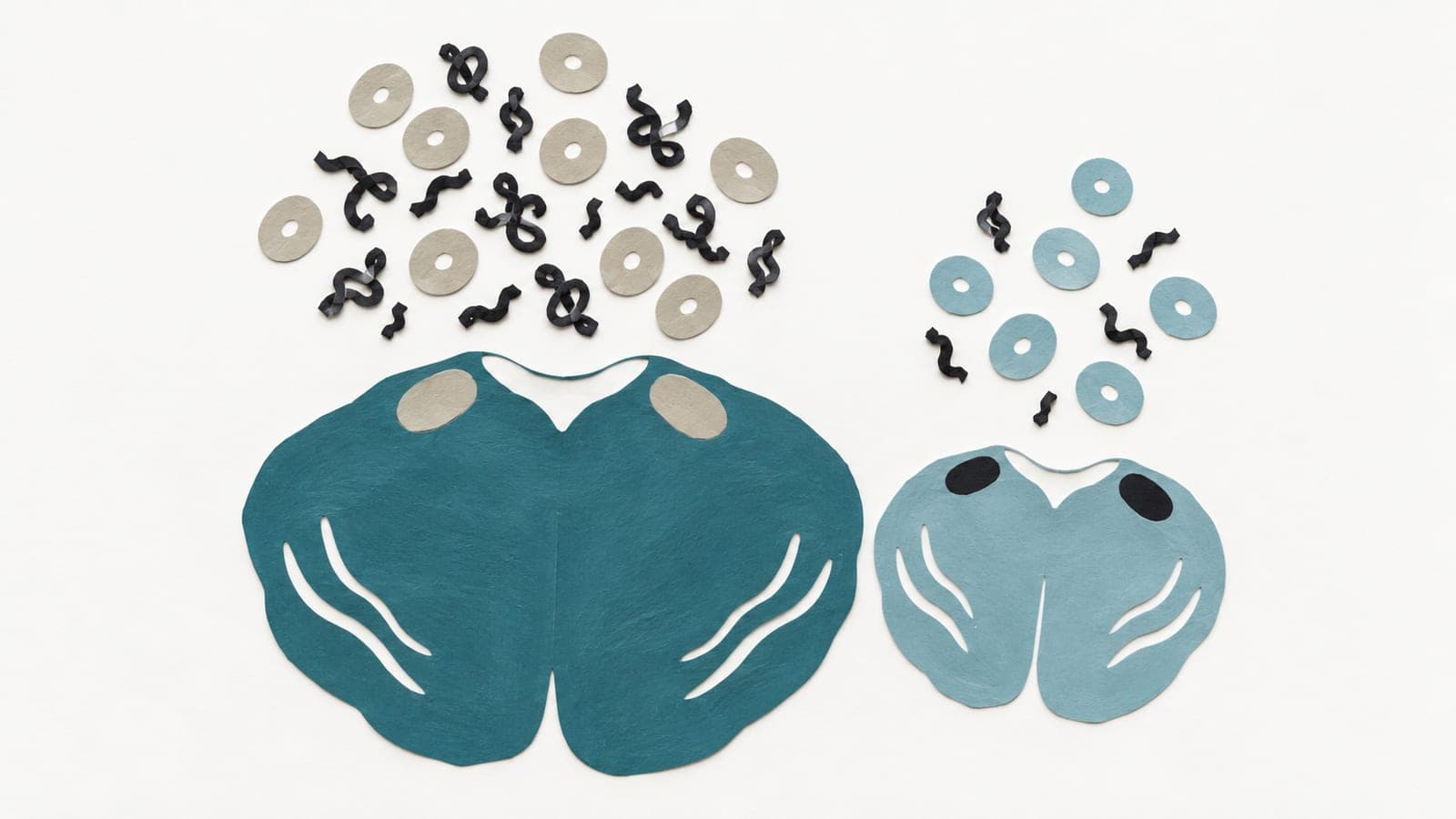
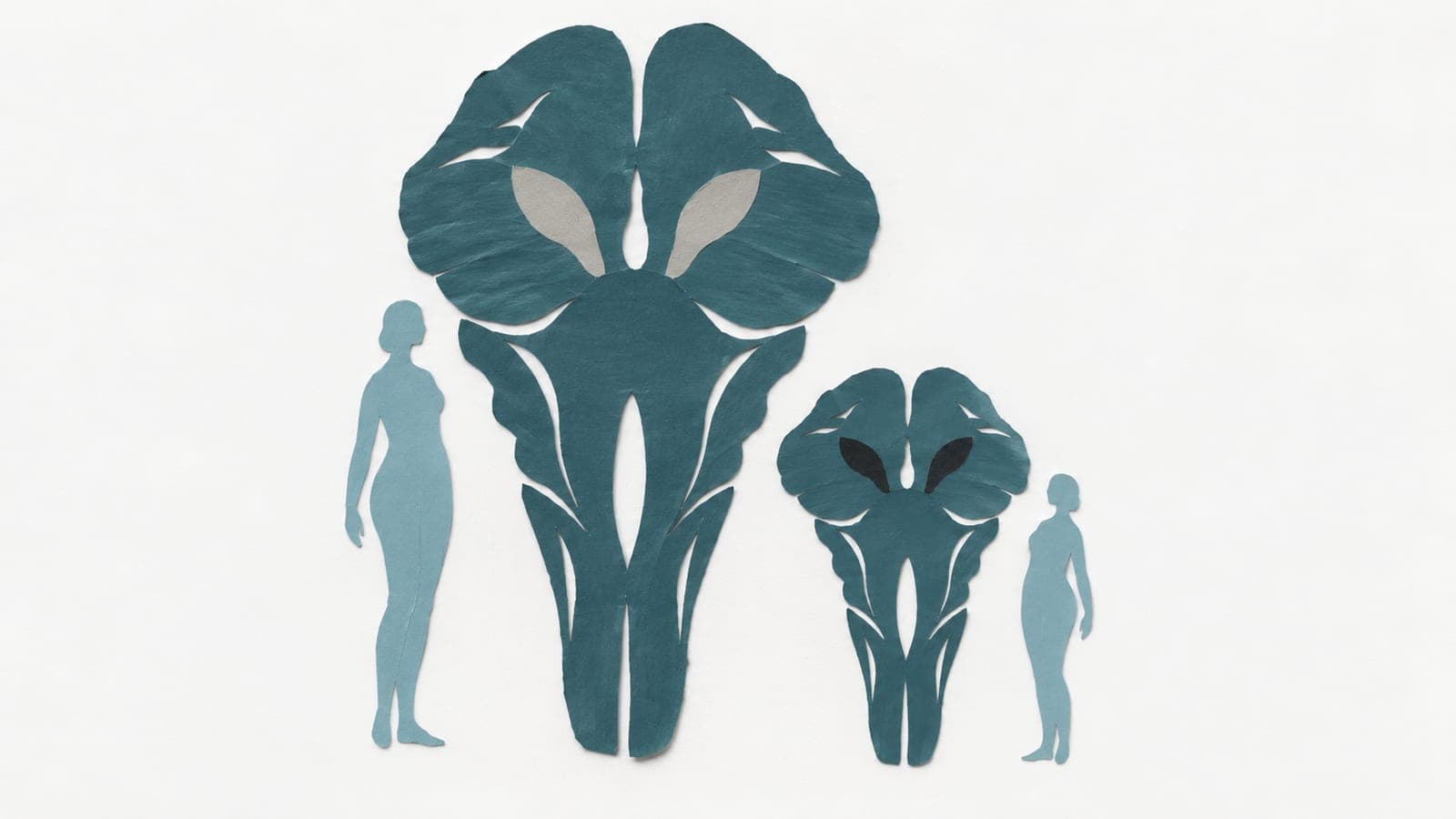
The locus coeruleus (LC) is a brainstem nucleus that provides the primary source of noradrenaline (NA) in the nervous system and optimizes behavioral performance in mammals. In humans, the LC shows Alzheimer's disease (AD)-like pathology at its earliest stages, but little is known about LC integrity in normative, non-pathological aging. The present research addresses these gaps by investigating neuron numbers, densities of glia and vasculature, and volume of the LC itself in cognitively assessed adult and aged rhesus macaques. These primates do not spontaneously exhibit AD, and thus are an excellent model for normative human aging. Immunohistochemical methods were used to quantify noradrenaline-producing cells, total cells, and vascular and glial density in the LC, and use a recently developed alignment protocol to incorporate Nissl- and immunohistochemically stained tissue with previously collected magnetic resonance images to generate precise volumes of the LC and its' subcompartments. The medial LC subcompartment alone (not the lateral or compact regions) in aged animals showed significantly smaller volume than did the adult monkeys, however, there was no difference in NA-containing cell numbers, vascular or glial densities observed in any compartment between age groups. Additionally, volumes and cell counts were not significantly associated with performance on memory tasks, indicating that cell populations within the locus coeruleus nucleus itself are highly resistant to age-related change.
The paper
University of Arizona
Neurobiology of Aging, 1 Feb 2025