Arsenic exposure induces neural cells senescence and abnormal lipid droplet accumulation leading to social memory impairment in mice
Abstract
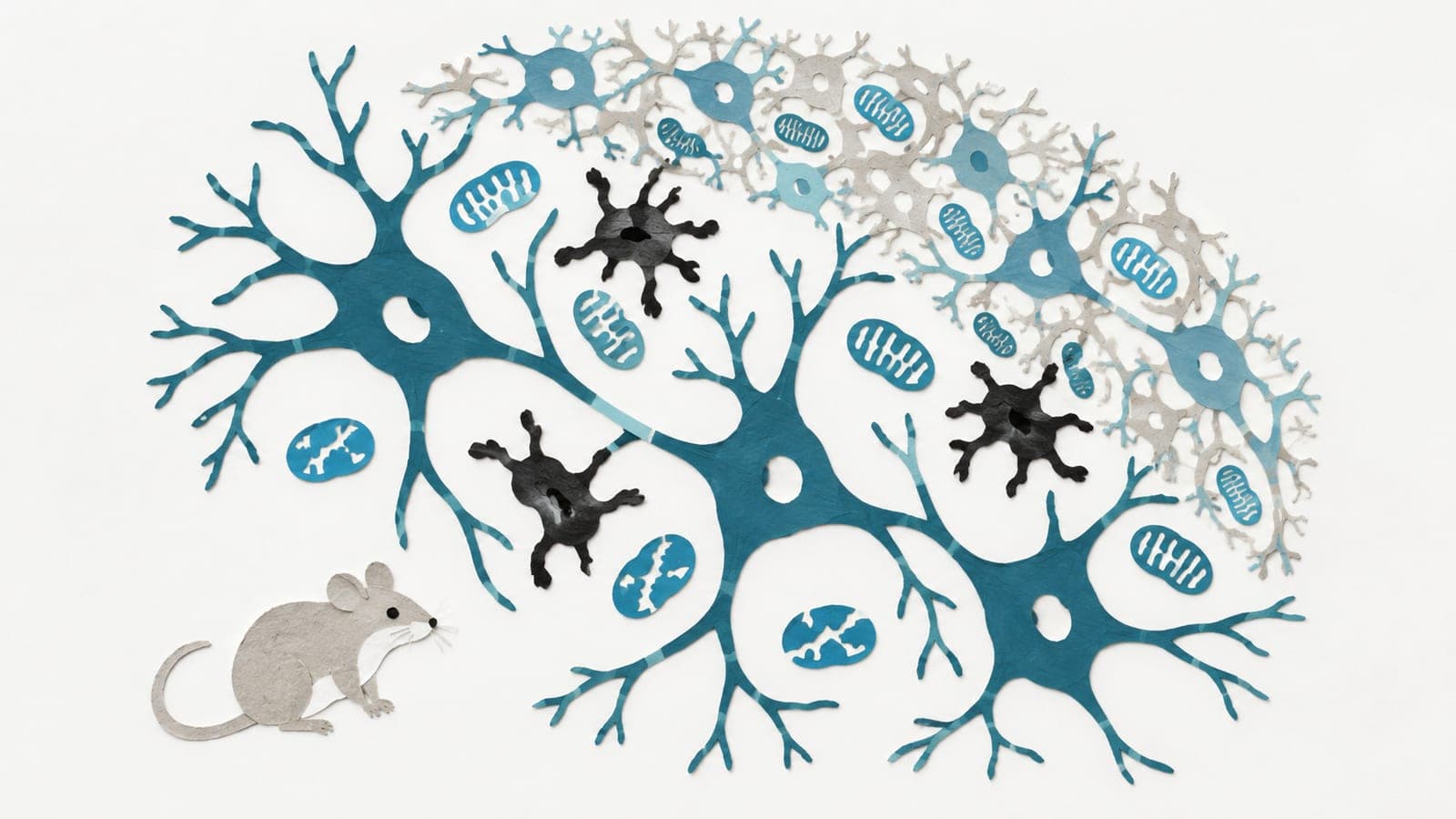
The long-term harmful effects of arsenic exposure remain one of the important public health issues. The effects of arsenic exposure on the central nervous system, particularly concerning brain structure and function, have been garnering increasing attention. Hence, the aim of this study was to investigate the impact of chronic low-dose arsenic exposure on murine social memory and to elucidate the underlying molecular mechanisms. Male C57BL/6 mice at six months of age were randomly assigned to a control group and three treatment groups with different arsenic concentrations (50, 100, and 200 μg/L), with exposure durations of 30, 90, 180, and 360 days. The five-social memory test and three-chamber social memory test results indicated that chronic low-dose arsenic exposure disrupted social memory in mice. Further analysis revealed that arsenic exposure led to degeneration of neurons within the dorsal CA2 of the hippocampus (dCA2) and the lateral entorhinal cortex (LEC), which are pivotal for the modulation of social memory, and dCA2 neurons demonstrated structural disruptions and cytoplasmic fragmentation. In addition, arsenic exposure induced neurons and glial cells senescence in both dCA2 and LEC, with a particularly pronounced effect in microglia, and worse with dosage increasing of arsenic exposure, correlating with elevated expression levels of p16INK4A, ferritin light chain and the senescence-associated secretory factors TNF-α and IL-1β, and reduced expression of Lamin B1. Moreover, arsenic exposure triggered substantial cytoplasmic lipid droplets accumulation in neurons, astrocytes and microglia, with an upregulation of PLIN2 expression, a protein associated with lipid droplet formation in astrocytes. At the same time, the aberrant accumulation of lipid droplets further aggravated the astrocytes and microglia aging, especially microglia. Additionally, correlation analysis revealed that social memory impairment was negatively correlated with nerve cell senescence and lipid accumulation. Our findings suggest that arsenic exposure induced cellular functional abnormalities by triggering cellular senescence and the accumulation of lipid droplets, thereby exacerbated neuronal degeneration and result in impaired social memory in mice.
The paper
Guiyang Medical University
Environmental Pollution, 31 Jan 2025