Progesterone regulates gut microbiota mediating bone marrow mesenchymal stem cell injury in immune thrombocytopenia patients during pregnancy
Abstract
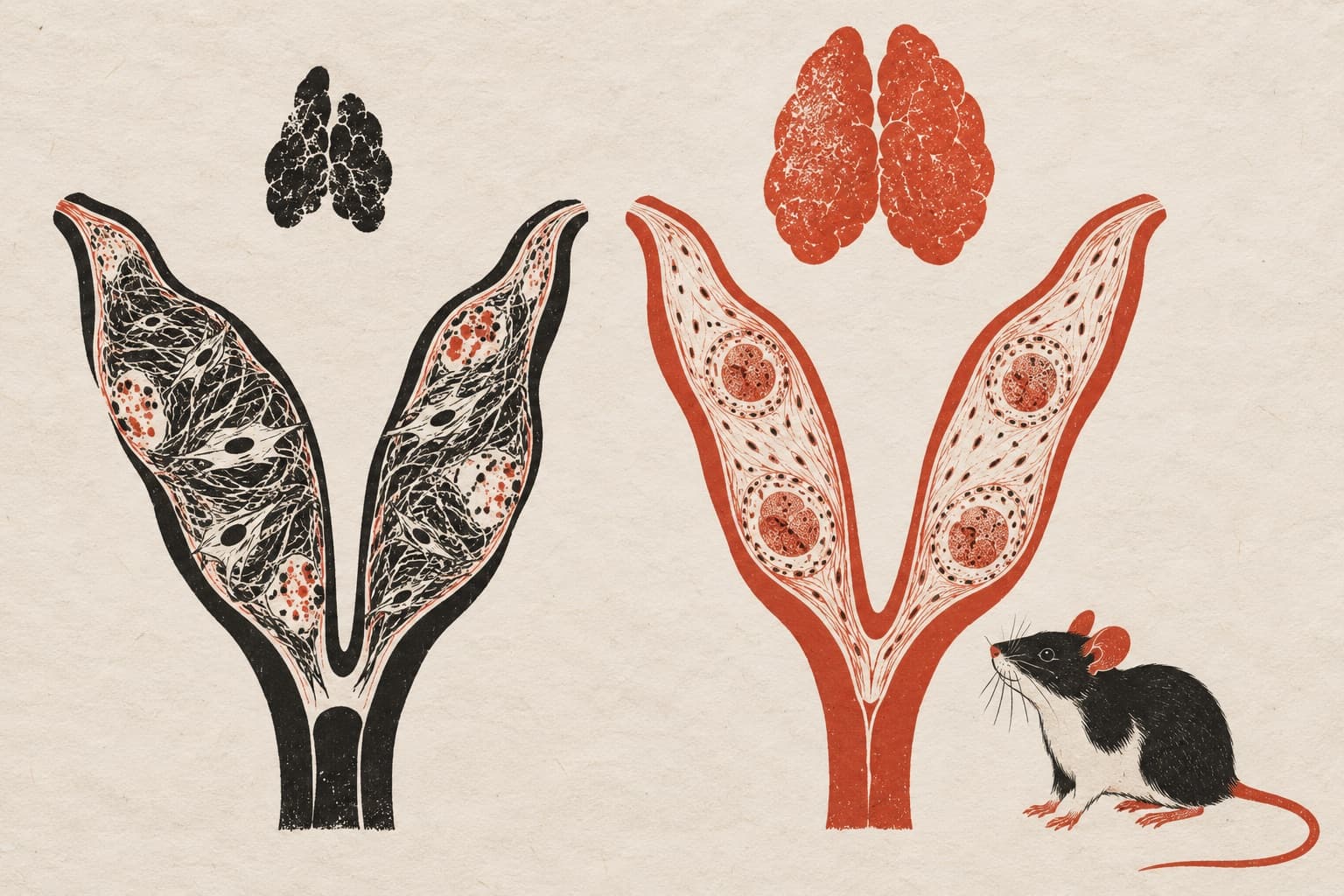
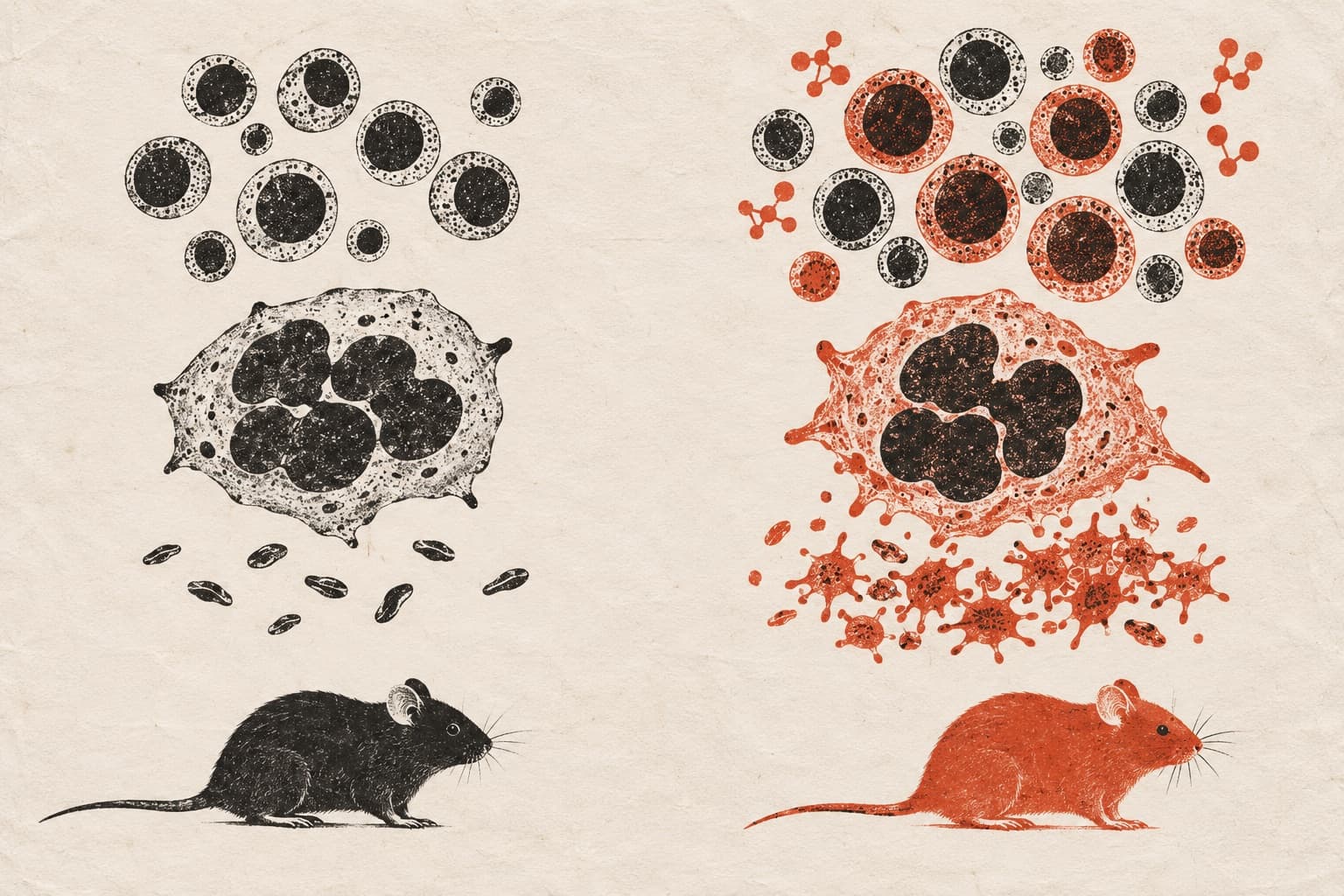
BACKGROUND: Immune thrombocytopenia during pregnancy (PITP) is the most common cause of platelet reduction in early and mid-pregnancy. However, the pathogenesis of PITP is still unclear. OBJECTIVES: To determine the characteristics of bone marrow mesenchymal stem cells (BM-MSCs) in PITP patients and to explore the associations between metabolites, the gut microbiota, and BM-MSCs in PITP. METHODS: The characteristics of BM-MSCs were detected through in vitro and in vivo experiments. Nontargeted metabolomics was used to screen metabolites. The features of the gut microbiota were analyzed by 16S rDNA sequencing. PITP and fecal microbiota transplantation (FMT) mouse model were established to explore the associations between metabolites, gut microbiota, and BM-MSCs. RESULTS: BM-MSCs from PITP patients had significant senescence and apoptosis, as well as impaired immunoregulatory function. Metabolomic analysis indicated that progesterone was the most significant specific metabolite in PITP patients. In vivo studies showed that progesterone mediated MSC injury. Further analysis of the gut microbiota and FMT experiments revealed that progesterone mediated BM-MSCs injury by regulating the composition of the gut microbiota in PITP. RNA sequencing analysis of BM-MSCs from FMT mice revealed abnormal expression of genes related to cell aging and the NOD-like receptor signaling pathway. CONCLUSION: In conclusion, BM-MSCs in the PITP were significantly impaired, which was associated with increased progesterone and changes in the gut microbiota regulated by progesterone. Intervening with the gut microbiota may become a new treatment for PITP.
The paper
Peking University
Journal of Thrombosis and Haemostasis, 3 Jan 2025, Open access