The Role of NAD⁺ Metabolism in Cardiovascular Diseases: Mechanisms and Prospects
Abstract
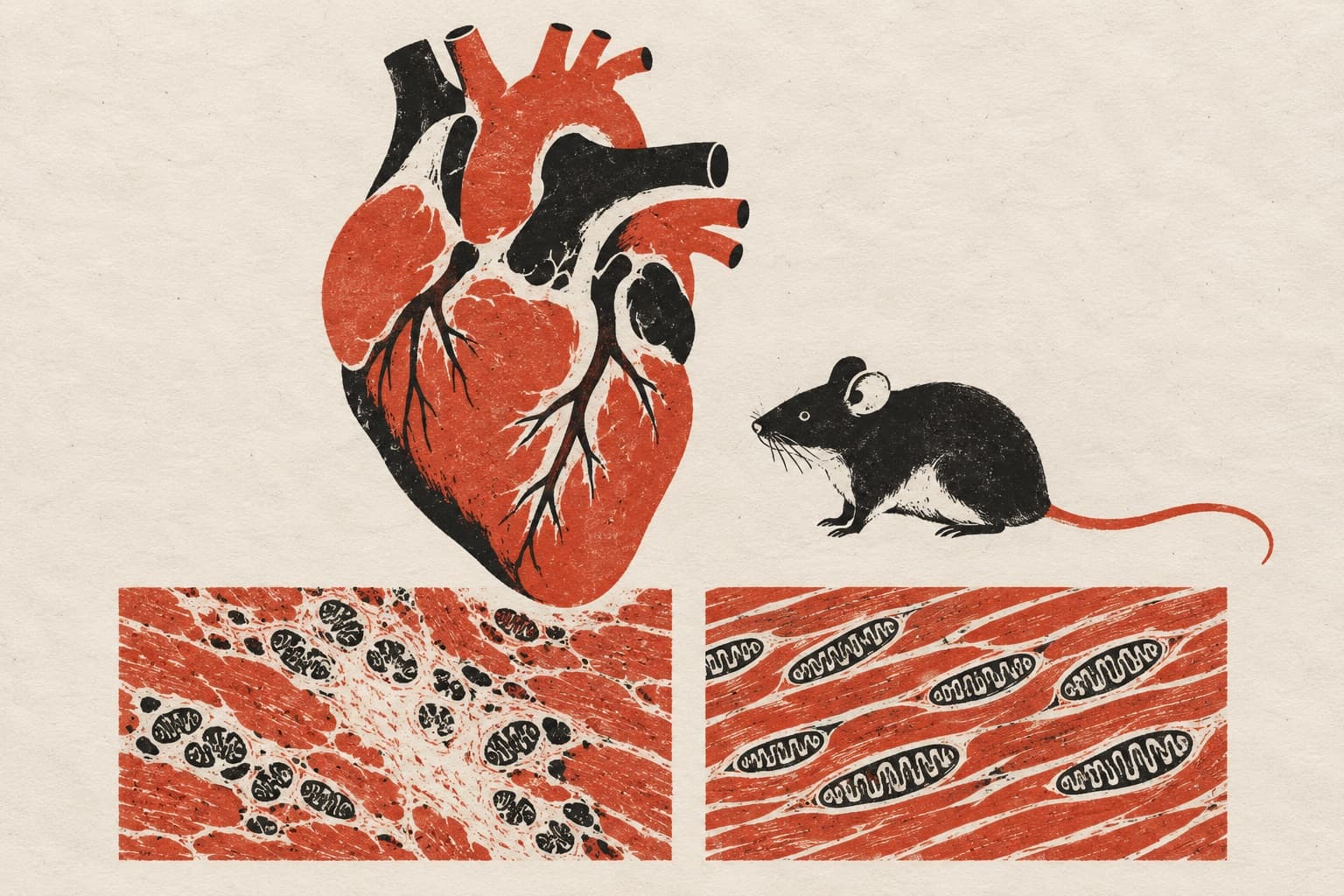
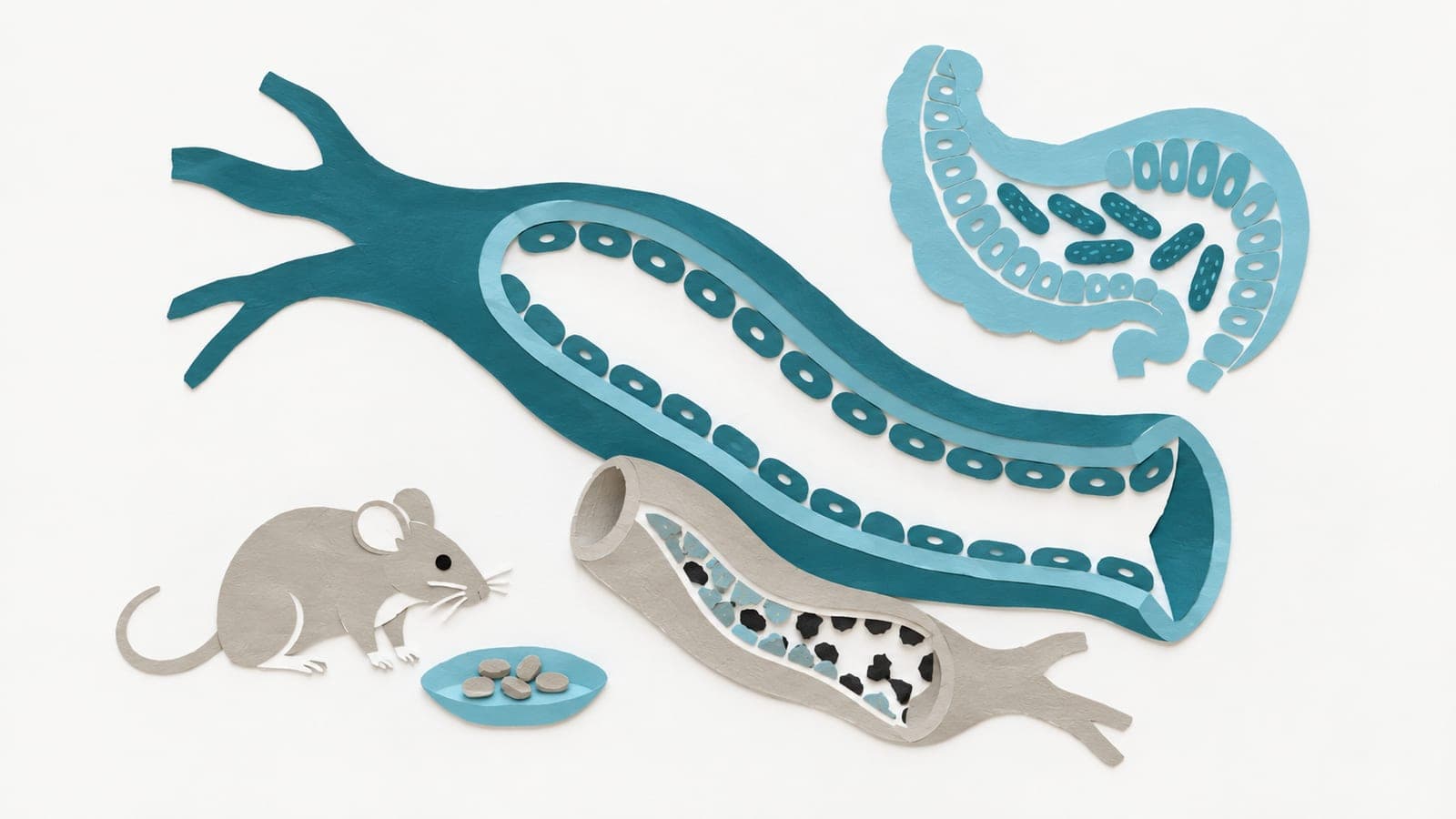
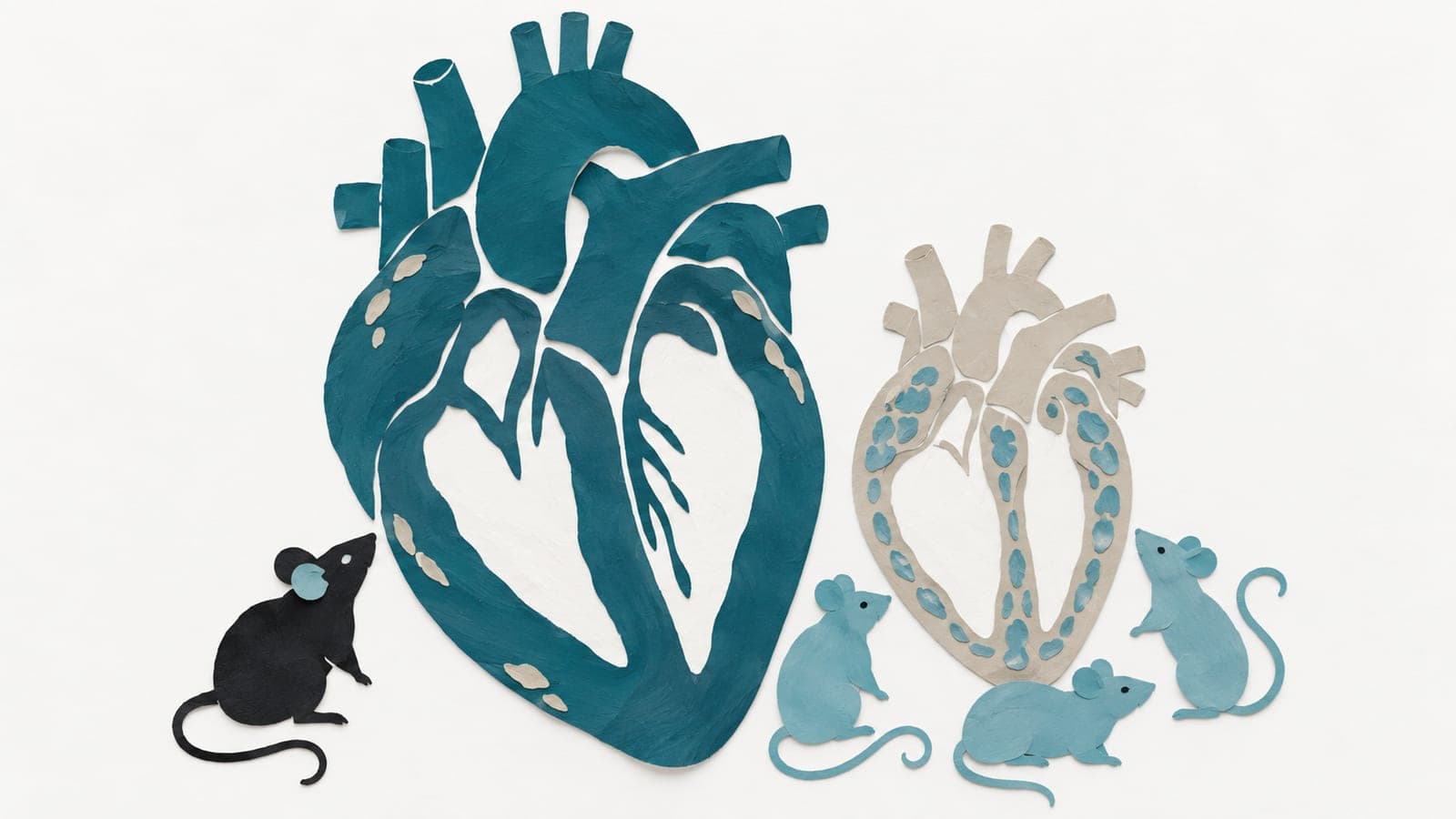
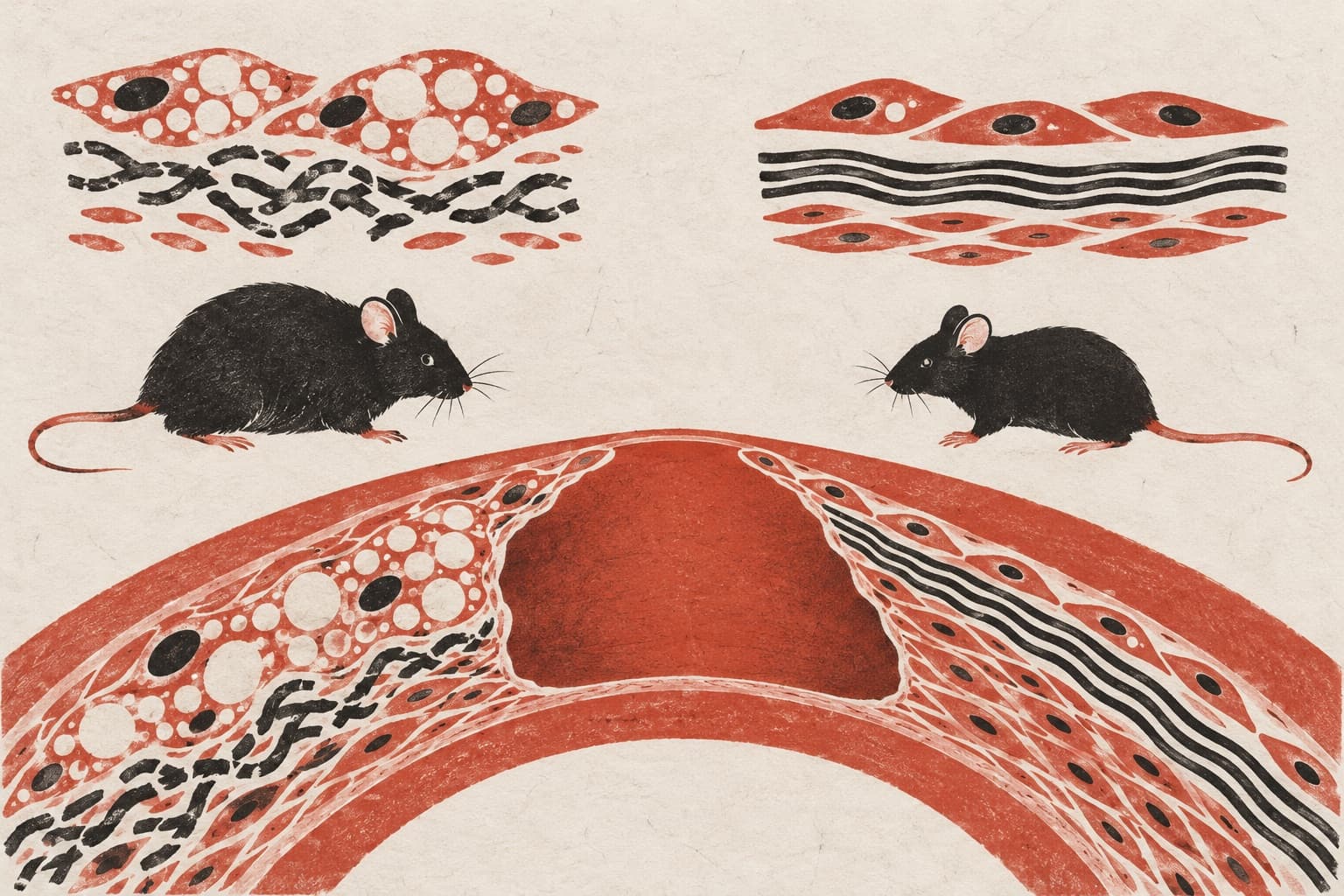
Nicotinamide adenine dinucleotide (NAD⁺) is a promising anti-aging molecule that plays a role in cellular energy metabolism and maintains redox homeostasis. Additionally, NAD⁺ is involved in regulating deacetylases, DNA repair enzymes, inflammation, and epigenetics, making it indispensable in maintaining the basic functions of cells. Research on NAD⁺ has become a hotspot, particularly regarding its potential in cardiovascular disease (CVD). Many studies have demonstrated that NAD⁺ plays a crucial role in the occurrence and development of CVD. This review summarizes the biosynthesis and consumption of NAD⁺, along with its precursors and their effects on raising NAD⁺ levels. We also discuss new mechanisms of NAD⁺ regulation in cardiovascular risk factors and its effects of NAD⁺ on atherosclerosis, aortic aneurysm, heart failure, hypertension, myocardial ischemia-reperfusion injury, diabetic cardiomyopathy, and dilated cardiomyopathy, elucidating different mechanisms and potential treatments. NAD⁺-centered therapy holds promising advantages and prospects in the field of CVD.
The paper
Tongji University
American Journal of Cardiovascular Drugs, 20 Dec 2024