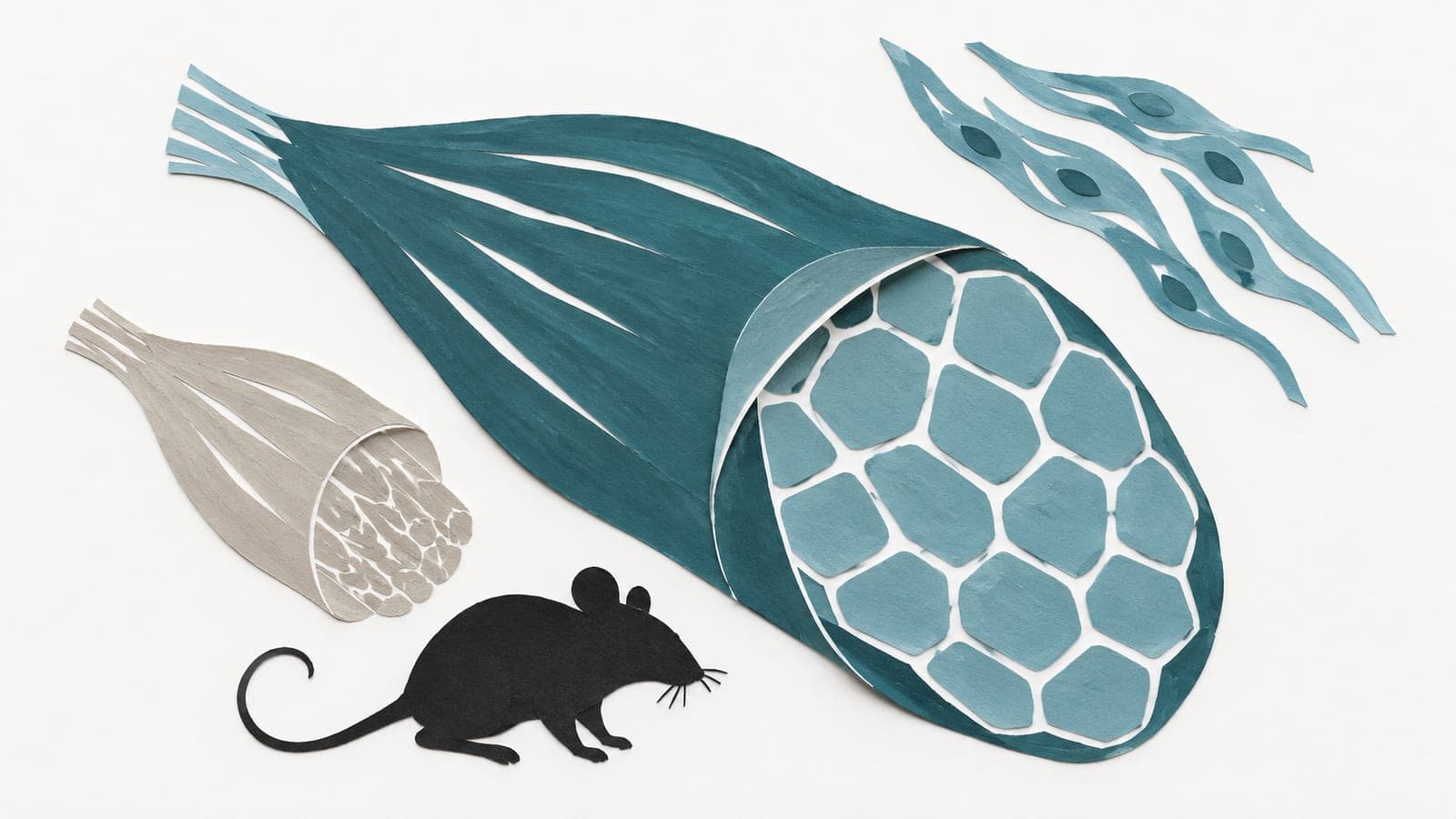
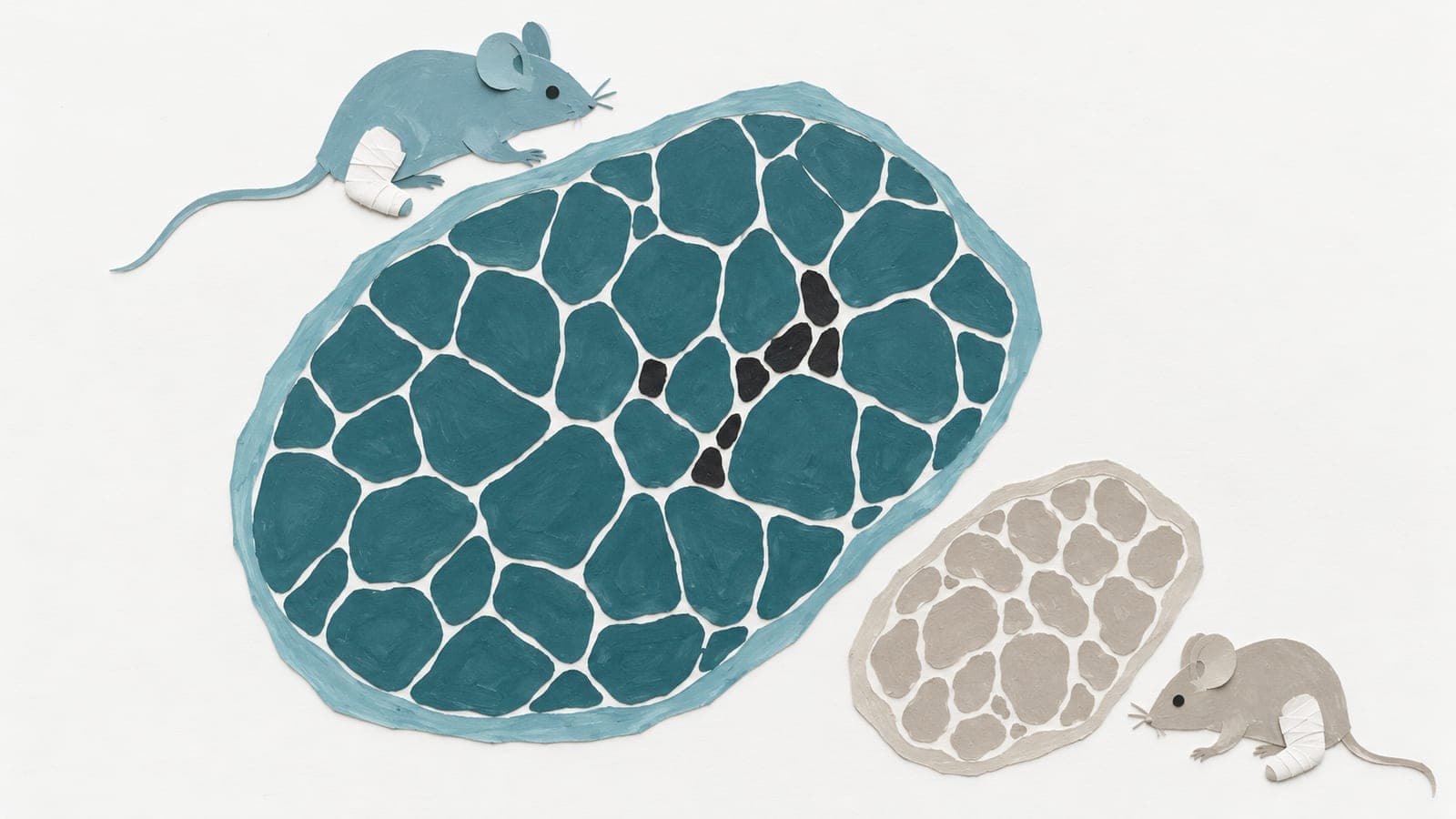
Activation of the apelin/APJ system by vitamin D attenuates age-related muscle atrophy
Abstract
AIMS: Age-related frailty and reduced physical activity contribute to a degenerative loss of muscle mass, function, and strength, which is known as sarcopenia. Increasing evidence has shown that vitamin D has beneficial effects on the muscle health. However, the molecular mechanisms of vitamin D have not been fully elucidated. In this study, we aimed to demonstrate whether vitamin D can overcome muscle atrophy due to aging, especially with respect to the regulation of myokines. MAIN METHODS: Young (3-month-old) and aged (18-month-old) C57BL/6 mice were assigned to the following 3 groups: normal diet (1000 IU/kg), vitamin D₃-supplemented diet (20,000 IU/kg), and normal diet plus exercise for 4 months. KEY FINDINGS: We found that the reduction in muscle strength and mass due to aging was reversed by vitamin D₃ supplementation. The levels of markers involved in muscle atrophy and cellular senescence in the muscle of the aged mice were substantially decreased by vitamin D₃. Interestingly, we observed that the expression of apelin and its receptor (APJ), which is known to be secreted after exercise, significantly increased in aged muscles with a vitamin D₃-supplemented diet but not in the young mice. Moreover, circulating interleukin-6 (IL-6) and growth differentiation factor 8 (GDF8) levels were significantly increased in the aged mice but were restored by vitamin D₃ treatment. SIGNIFICANCE: Our present data indicate that vitamin D₃ supplementation ameliorates aging-induced muscle atrophy and senescence, similar to the effects of exercise, suggesting the positive impact of vitamin D as an intervention strategy to prevent aging-induced metabolic diseases.
The paper
Korea National Institute of Health
Life Sciences, 31 Oct 2024, Open access