Effects of High-Linear-Energy-Transfer Heavy Ion Radiation on Intestinal Stem Cells: Implications for Gut Health and Tumorigenesis
Abstract
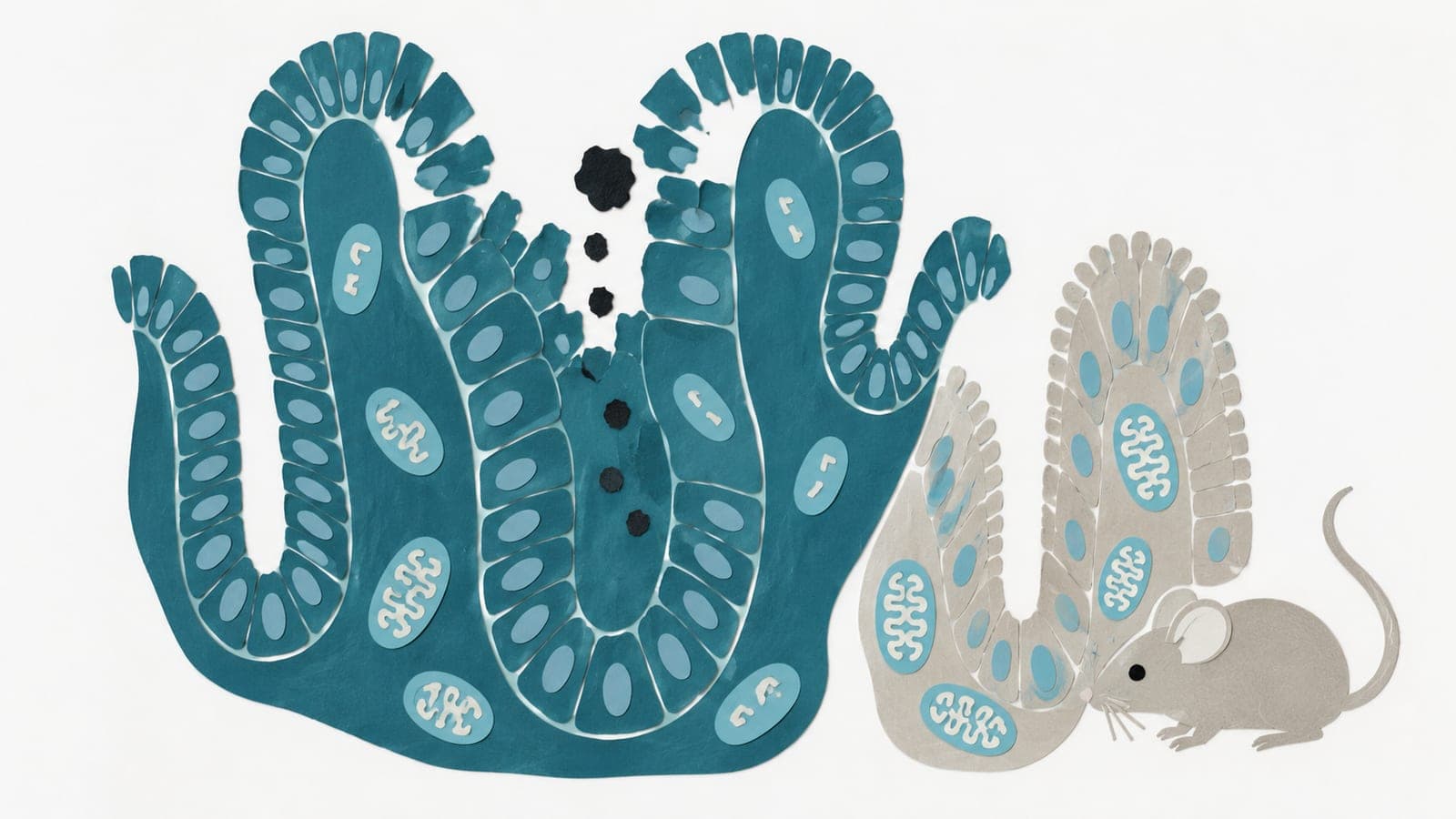
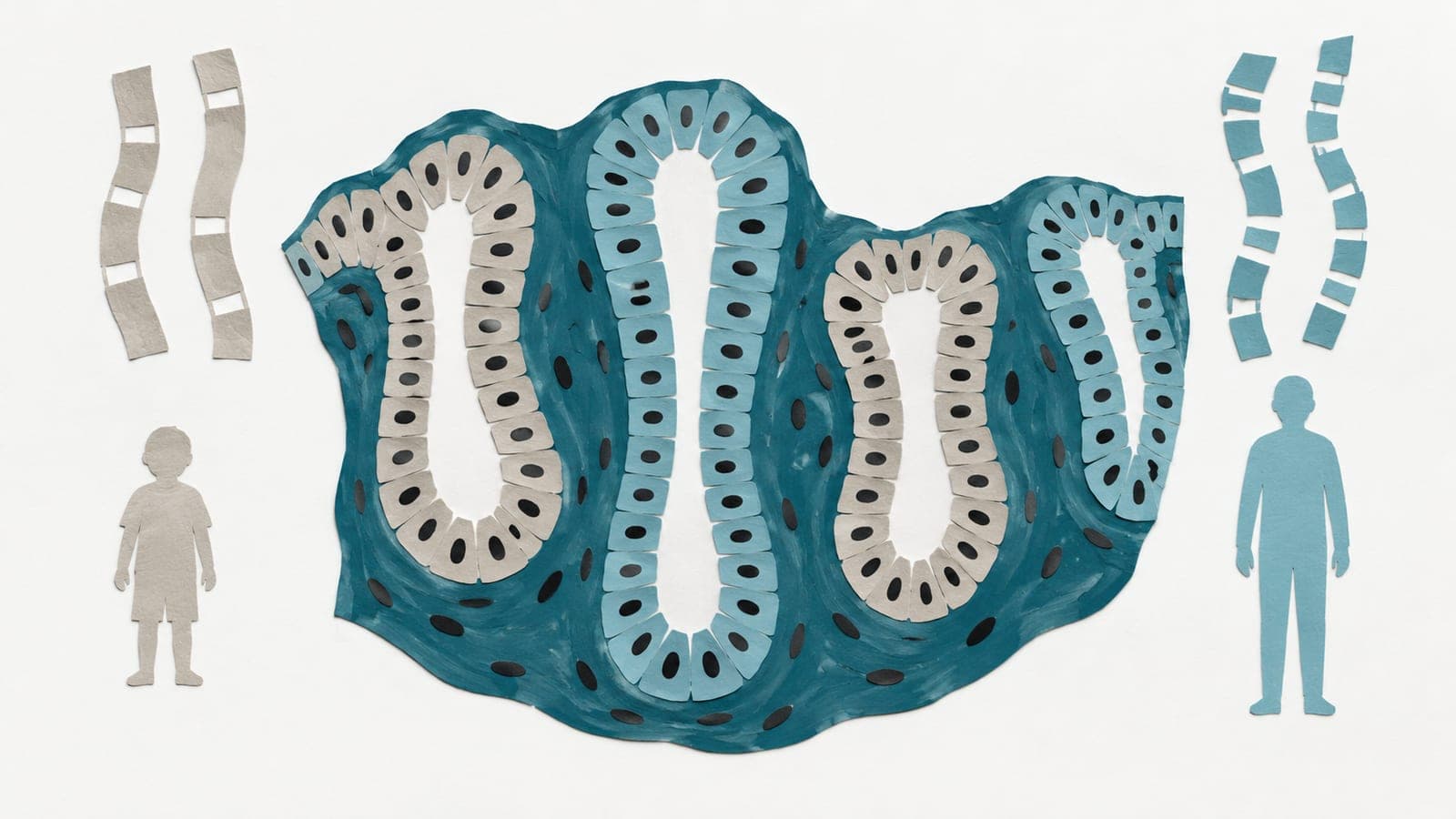
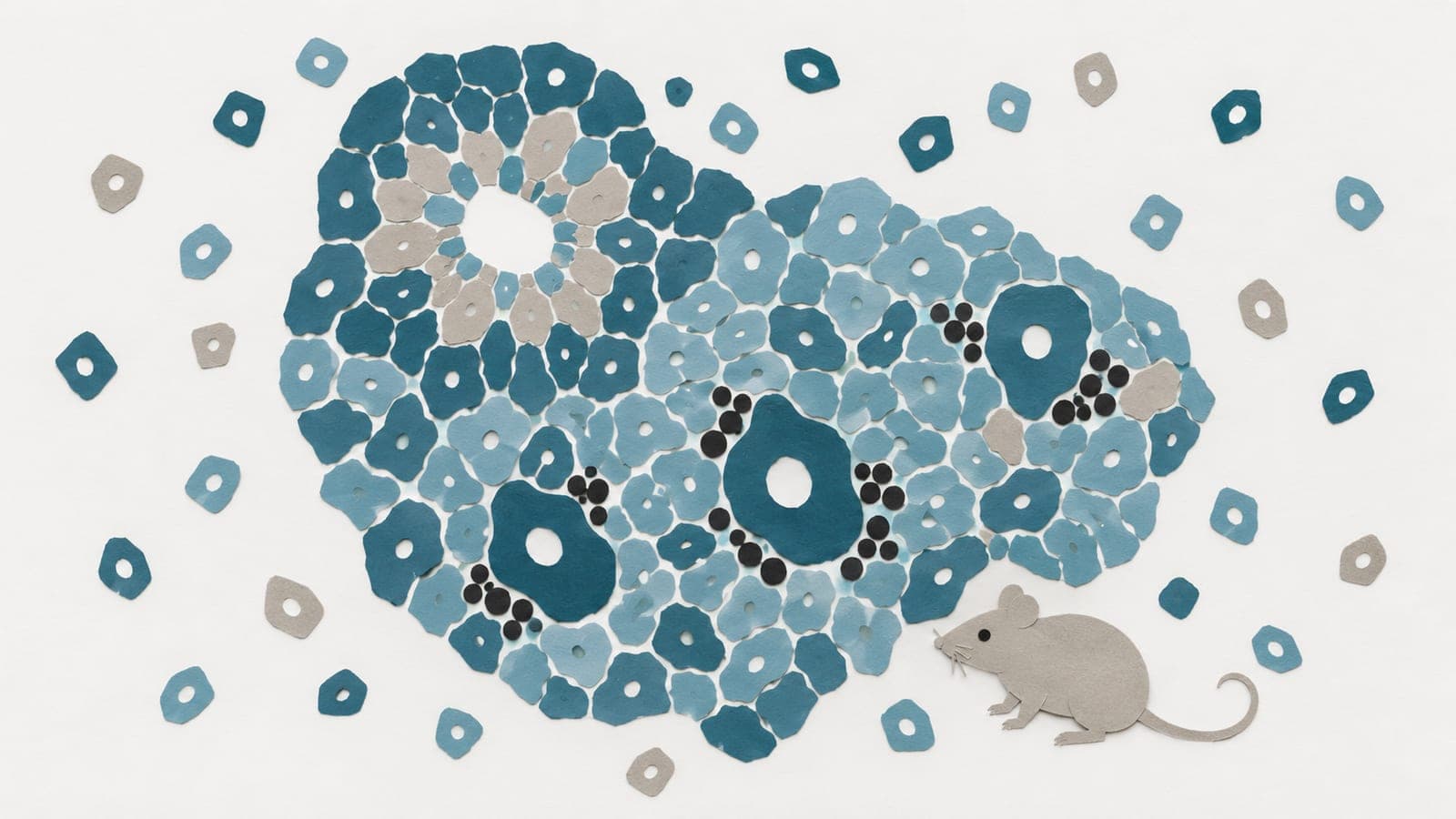
Heavy ion radiation, prevalent in outer space and relevant for radiotherapy, is densely ionizing and poses a risk to intestinal stem cells (ISCs), which are vital for maintaining intestinal homeostasis. Earlier studies have shown that heavy-ion radiation can cause chronic oxidative stress, persistent DNA damage, cellular senescence, and the development of a senescence-associated secretory phenotype (SASP) in mouse intestinal mucosa. However, the specific impact on different cell types, particularly Lgr5⁺ intestinal stem cells (ISCs), which are crucial for maintaining cellular homeostasis, GI function, and tumor initiation under genomic stress, remains understudied. Using an ISCs-relevant mouse model (Lgr5⁺ mice) and its GI tumor surrogate (Lgr5⁺Apc1638N/+ mice), we investigated ISCs-specific molecular alterations after high-LET radiation exposure. Tissue sections were assessed for senescence and SASP signaling at 2, 5 and 12 months post-exposure. Lgr5+ cells exhibited significantly greater oxidative stress following ²⁸Si irradiation compared to γ-ray or controls. Both Lgr5⁺ cells and Paneth cells showed signs of senescence and developed a senescence-associated secretory phenotype (SASP) after ²⁸Si exposure. Moreover, gene expression of pro-inflammatory and pro-growth SASP factors remained persistently elevated for up to a year post-²⁸Si irradiation. Additionally, p38 MAPK and NF-κB signaling pathways, which are critical for stress responses and inflammation, were also upregulated after ²⁸Si radiation. Transcripts involved in nutrient absorption and barrier function were also altered following irradiation. In Lgr5⁺Apc1638N/+ mice, tumor incidence was significantly higher in those exposed to ²⁸Si radiation compared to the spontaneous tumorigenesis observed in control mice. Our results indicate that high-LET ²⁸Si exposure induces persistent DNA damage, oxidative stress, senescence, and SASP in Lgr5⁺ ISCs, potentially predisposing astronauts to altered nutrient absorption, barrier function, and GI carcinogenesis during and after a long-duration outer space mission.