NAD⁺ homeostasis and its role in exercise adaptation: A comprehensive review
Abstract
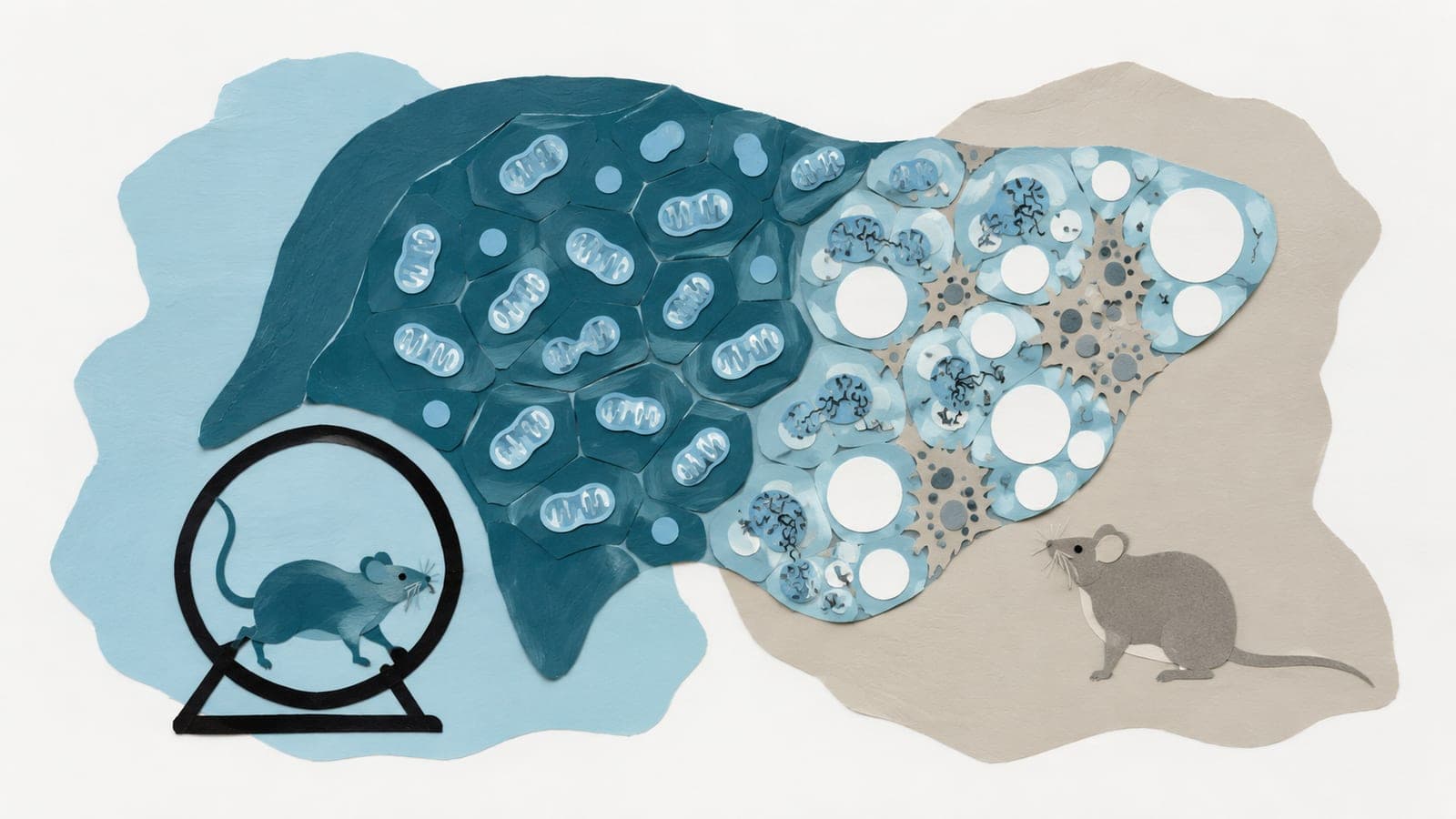
Nicotinamide adenine dinucleotide (NAD⁺) is a crucial coenzyme involved in catalyzing cellular redox reactions and serving as a substrate for NAD⁺-dependent enzymes. It plays a vital role in maintaining tissue homeostasis and promoting healthy aging. Exercise, a well-established and cost-effective method for enhancing health, can influence various pathways related to NAD⁺ metabolism. Strategies such as supplementing NAD⁺ precursors, modulating NAD⁺ synthesis enzymes, or inhibiting enzymes that consume NAD⁺ can help restore NAD⁺ balance and improve exercise performance. Various overlapping signaling pathways are known to play a crucial role in the beneficial effects of both NAD⁺ and exercise on enhancing health and slowing aging process. Studies indicate that a combined strategy of exercise and NAD⁺ supplementation could synergistically enhance athletic capacity. This review provides an overview of current research on the interactions between exercise and the NAD⁺ network, underscoring the significance of NAD⁺ homeostasis in exercise performance. It also offers insights into enhancing exercise capacity and improving aging-related diseases through the optimal use of exercise interventions and NAD⁺ supplementation methods.
The paper
Soochow University
Free Radical Biology & Medicine, Sep 24, 2024