Cystathionine γ-Lyase Attenuates Vascular Smooth Muscle Cell Senescence via Foxm1-Gas1 Pathway to Mediate Arterial Stiffness
Abstract
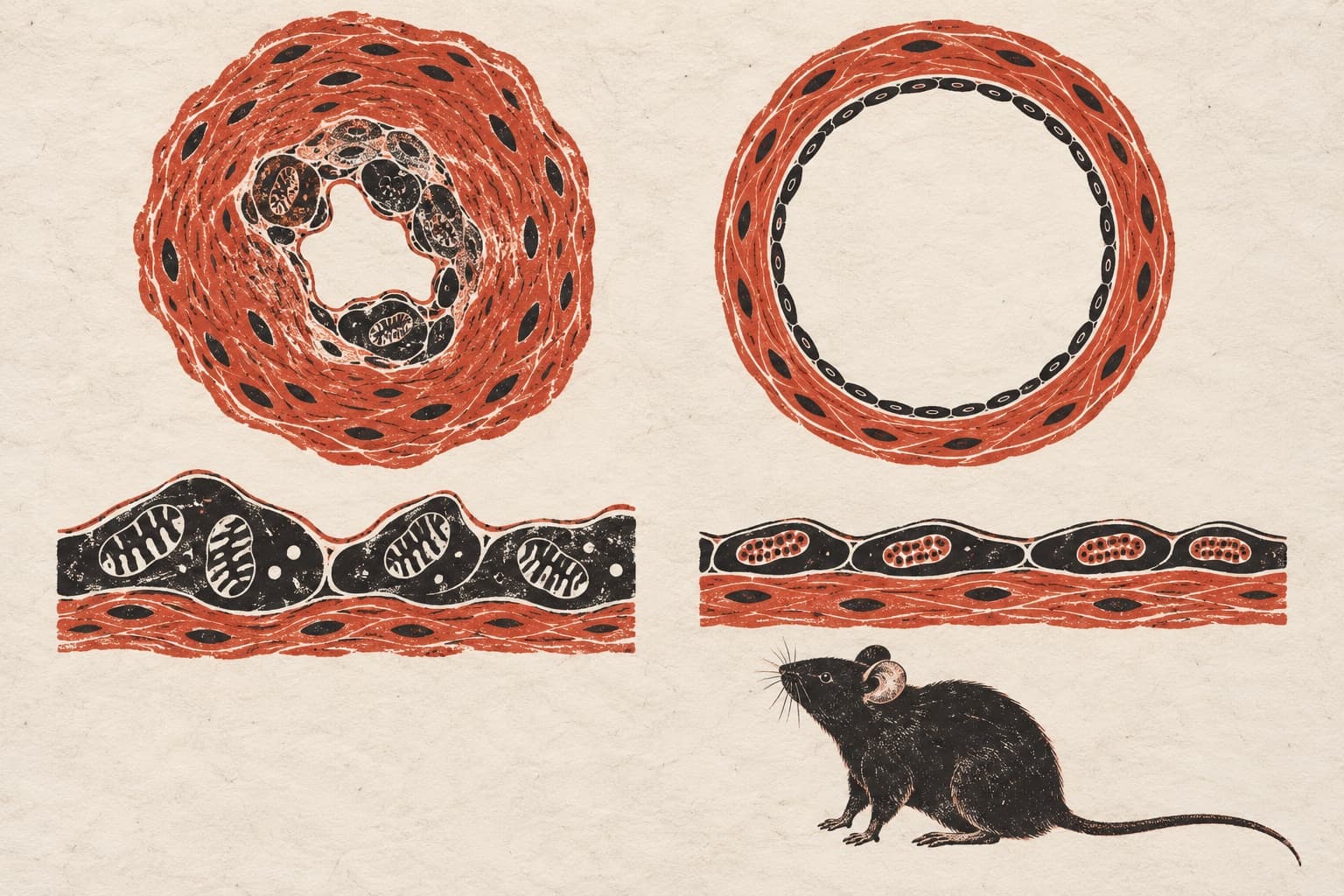
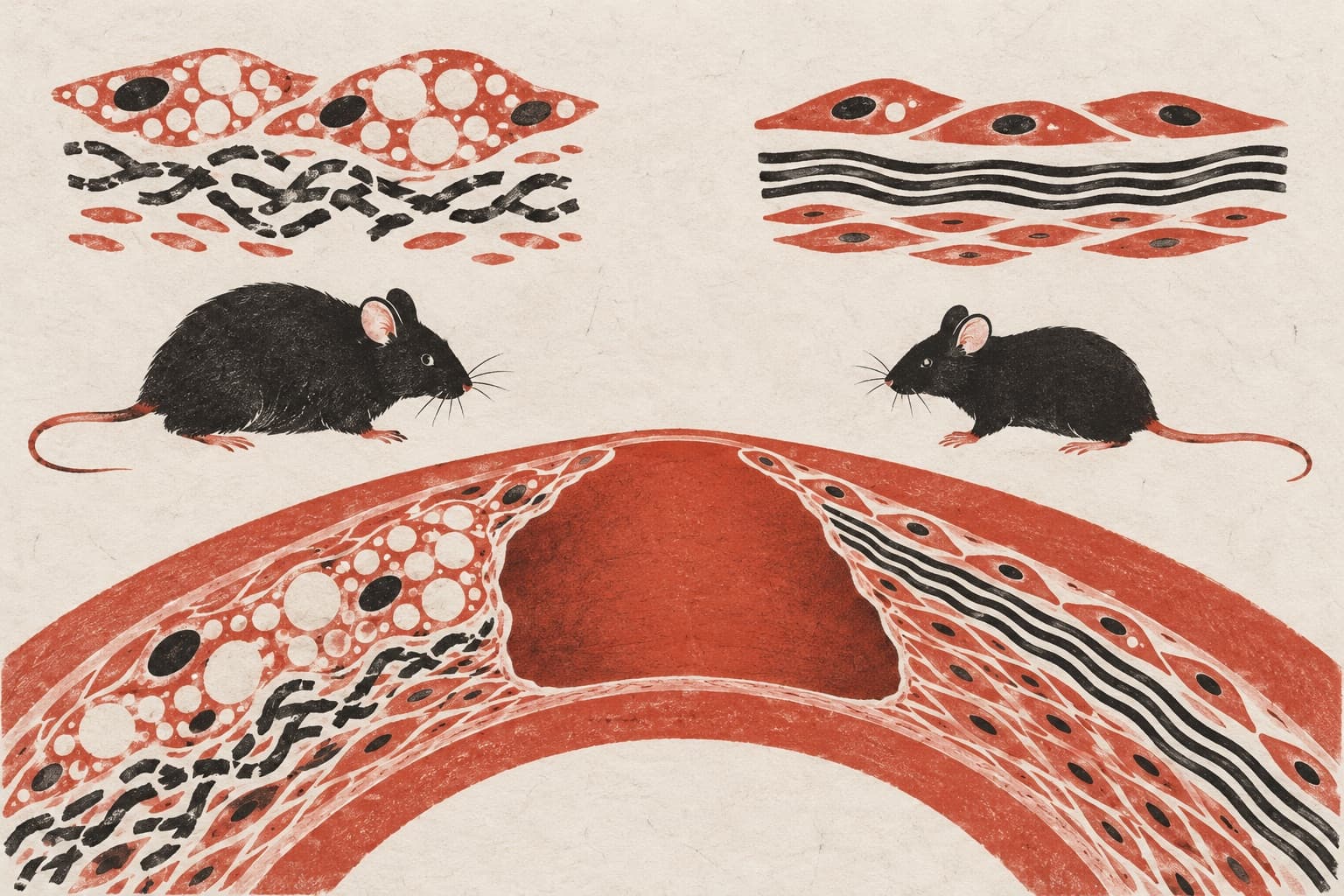
Aims: Arterial stiffness, a hallmark of vascular aging, significantly contributes to hypertension and impaired organ perfusion. Vascular smooth muscle cell (VSMC) dysfunction, particularly VSMC senescence and its interaction with stiffness, is crucial in the pathogenesis of arterial stiffness. Although hydrogen sulfide (H₂S) and its key enzyme cystathionine γ-lyase (CSE) are known to play roles in cardiovascular diseases, their effects on arterial stiffness are not well understood. Methods & Results: First, we observed a downregulation of CSE/H₂S in the aortic media during biological aging and angiotensin II (AngII)-induced aging. The VSMC-specific CSE knockout mice were created by loxp-cre (Tagln-cre) system and which exacerbated AngII-induced aortic aging and stiffness in vivo and VSMC senescence and stiffness in vitro. Conversely, the CSE agonist norswertianolin mitigated these effects. Next, we identified growth arrest-specific 1 (Gas1) as a crucial target of CSE/H₂S and found it to be a downstream target gene of forkhead box protein M1 (Foxm1). siRNA knockdown Foxm1 increased Gas1 transcription and reduced the protective effects of H₂S on VSMC senescence and stiffness. Finally, we demonstrated that CSE/H₂S sulfhydrates Foxm1 at the C210 site, regulating its nuclear translocation and activity, thus reducing VSMC senescence and stiffness. Innovation: Our findings highlight the protective role of CSE/H₂S in arterial stiffness, emphasizing the novel contributions of CSE, Gas1, and Foxm1 to VSMC senescence and stiffness. Conclusion: Endogenous CSE/H₂S in VSMCs reduces VSMC senescence and stiffness, thereby attenuating arterial stiffness and aging, partly through sulfhydration-mediated activation of Foxm1 and subsequent inhibition of Gas1 signaling pathways. Antioxid. Redox Signal. 42, 655-671.
The paper
Chinese Academy of Medical Sciences & Peking Union Medical College
Antioxidants & Redox Signaling, Sep 3, 2024