Proteomic analyses reveal plasma EFEMP1 and CXCL12 as biomarkers and determinants of neurodegeneration
Abstract
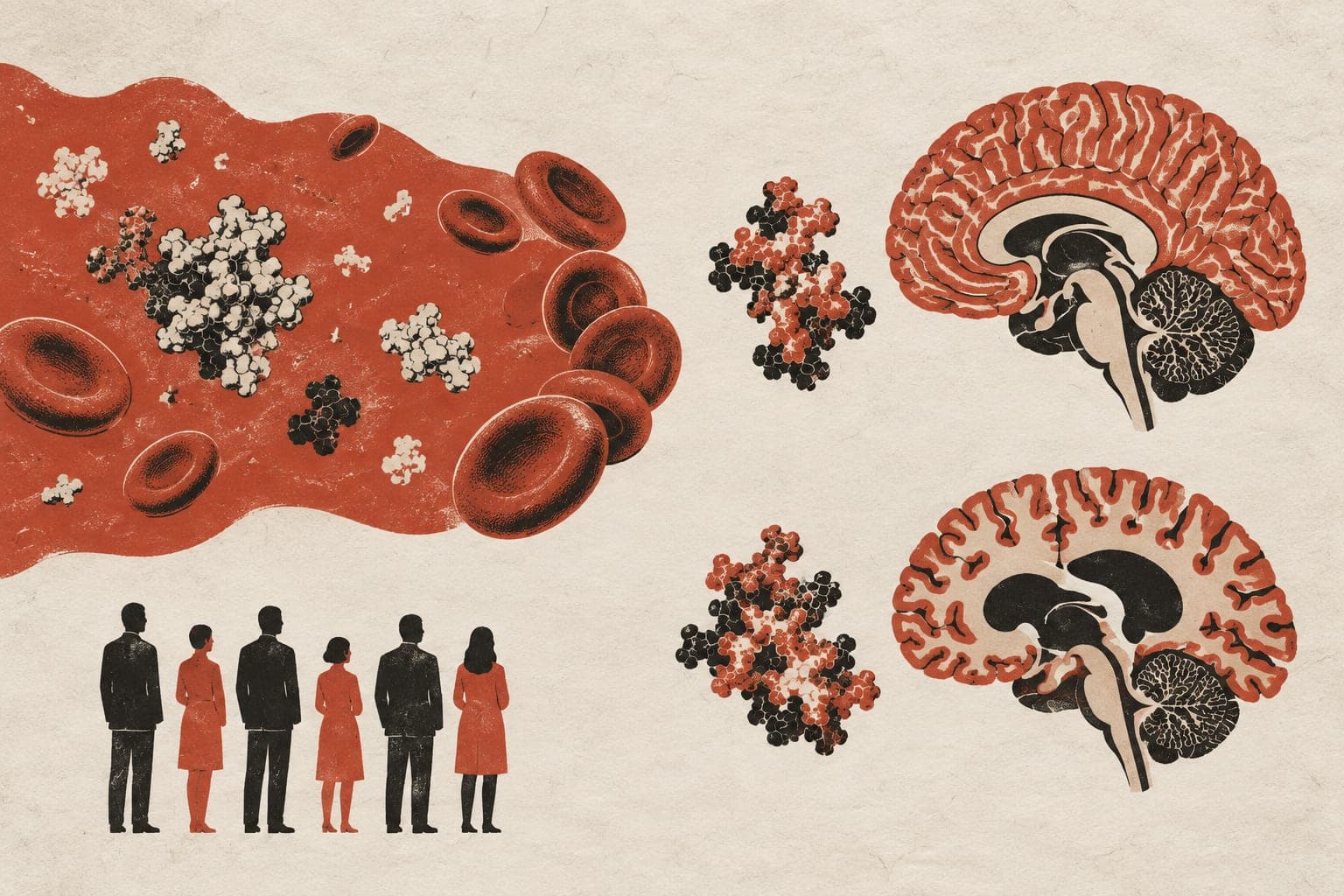
INTRODUCTION: Plasma proteomic analyses of unique brain atrophy patterns may illuminate peripheral drivers of neurodegeneration and identify novel biomarkers for predicting clinically relevant outcomes. METHODS: We identified proteomic signatures associated with machine learning-derived aging- and Alzheimer's disease (AD) -related brain atrophy patterns in the Baltimore Longitudinal Study of Aging (n = 815). Using data from five cohorts, we examined whether candidate proteins were associated with AD endophenotypes and long-term dementia risk. RESULTS: Plasma proteins associated with distinct patterns of age- and AD-related atrophy were also associated with plasma/cerebrospinal fluid (CSF) AD biomarkers, cognition, AD risk, as well as mid-life (20-year) and late-life (8-year) dementia risk. EFEMP1 and CXCL12 showed the most consistent associations across cohorts and were mechanistically implicated as determinants of brain structure using genetic methods, including Mendelian randomization. DISCUSSION: Our findings reveal plasma proteomic signatures of unique aging- and AD-related brain atrophy patterns and implicate EFEMP1 and CXCL12 as important molecular drivers of neurodegeneration. HIGHLIGHTS: Plasma proteomic signatures are associated with unique patterns of brain atrophy. Brain atrophy-related proteins predict clinically relevant outcomes across cohorts. Genetic variation underlying plasma EFEMP1 and CXCL12 influences brain structure. EFEMP1 and CXCL12 may be important molecular drivers of neurodegeneration.
The paper
National Institutes of Health
Alzheimer's & Dementia, 11 Aug 2024, Open access