Amyloid plaques and normal ageing have differential effects on microglial Ca²⁺ activity in the mouse brain
Abstract
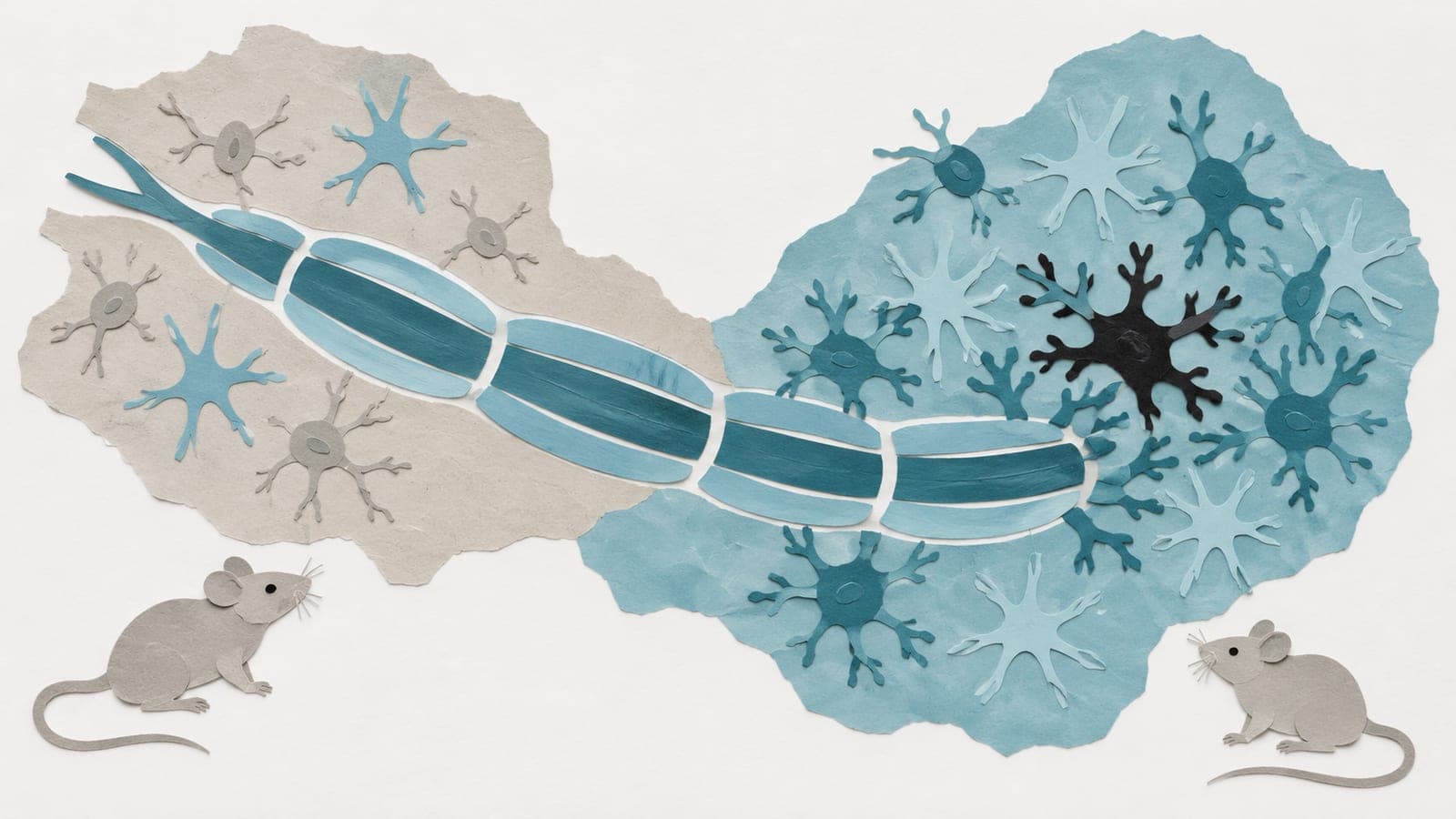
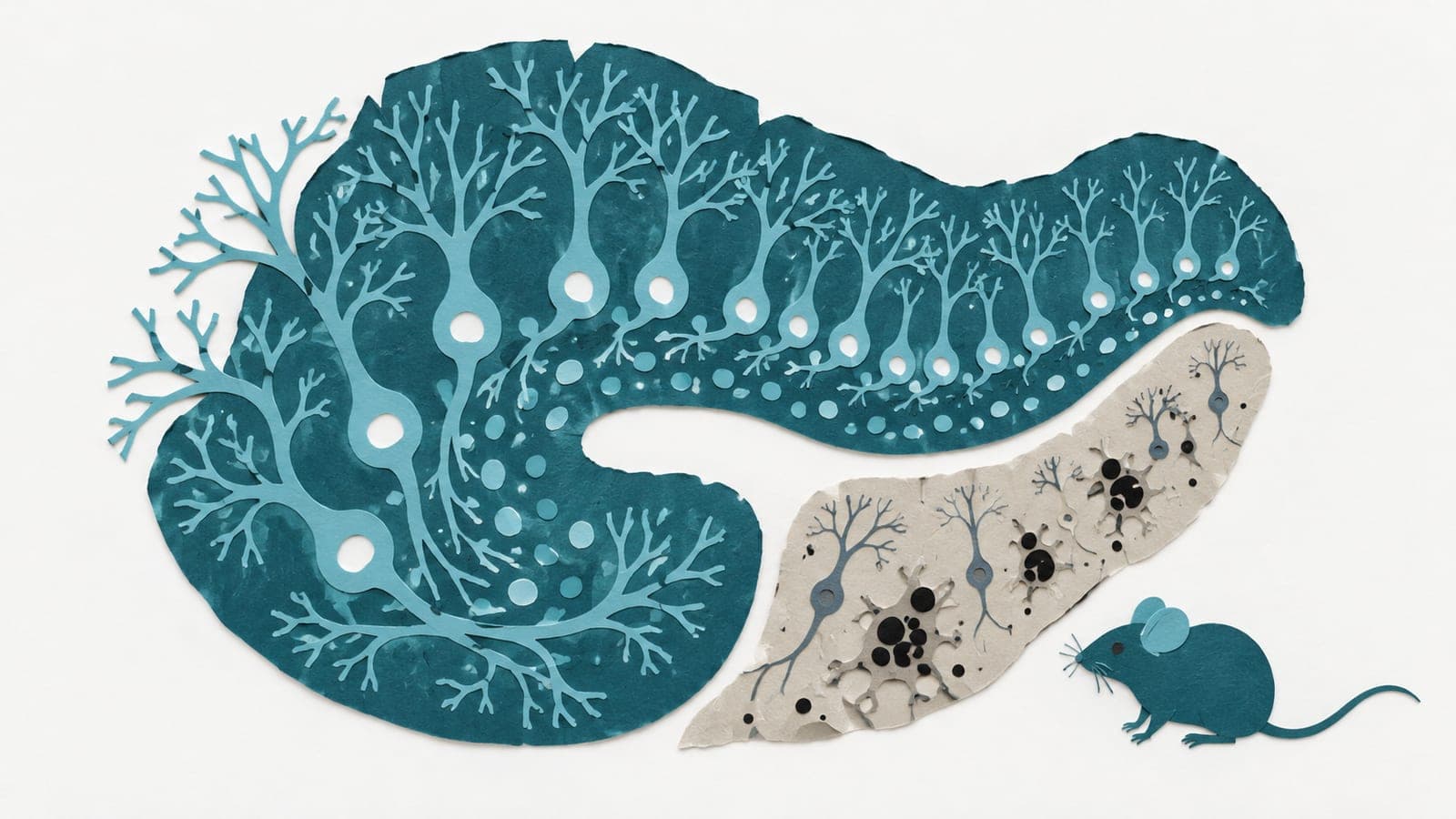
In microglia, changes in intracellular calcium concentration ([Ca²⁺]i) may regulate process motility, inflammasome activation, and phagocytosis. However, while neurons and astrocytes exhibit frequent spontaneous Ca²⁺ activity, microglial Ca²⁺ signals are much rarer and poorly understood. Here, we studied [Ca²⁺]i changes of microglia in acute brain slices using Fluo-4-loaded cells and mice expressing GCaMP5g in microglia. Spontaneous Ca²⁺ transients occurred ~ 5 times more frequently in individual microglial processes than in their somata. We assessed whether microglial Ca²⁺ responses change in Alzheimer's disease (AD) using AppNL-G-F knock-in mice. Proximity to Aβ plaques strongly affected microglial Ca²⁺ activity. Although spontaneous Ca²⁺ transients were unaffected in microglial processes, they were fivefold more frequent in microglial somata near Aβ plaques than in wild-type microglia. Microglia away from Aβ plaques in AD mice showed intermediate properties for morphology and Ca²⁺ responses, partly resembling those of wild-type microglia. By contrast, somatic Ca²⁺ responses evoked by tissue damage were less intense in microglia near Aβ plaques than in wild-type microglia, suggesting different mechanisms underlying spontaneous vs. damage-evoked Ca²⁺ signals. Finally, as similar processes occur in neurodegeneration and old age, we studied whether ageing affected microglial [Ca²⁺]i. Somatic damage-evoked Ca²⁺ responses were greatly reduced in microglia from old mice, as in the AD mice. In contrast to AD, however, old age did not alter the occurrence of spontaneous Ca²⁺ signals in microglial somata but reduced the rate of events in processes. Thus, we demonstrate distinct compartmentalised Ca²⁺ activity in microglia from healthy, aged and AD-like brains.
The paper
University College London; Humboldt-Universität zu Berlin
Pflugers Archiv, Nov 15, 2023, Open access