Melatonin ameliorates histone modification disorders in mammalian aged oocytes by neutralizing the alkylation of HDAC1
Abstract
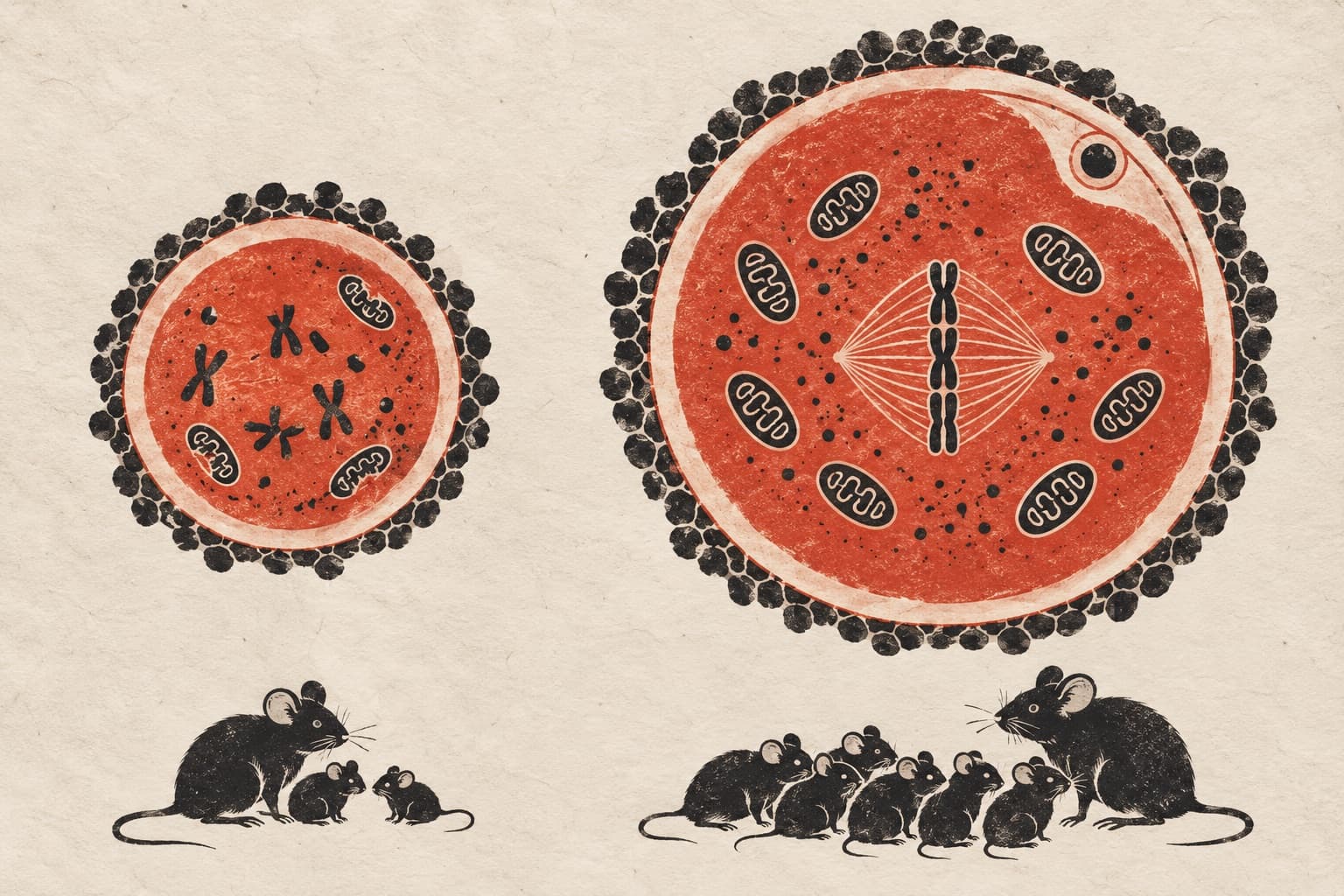
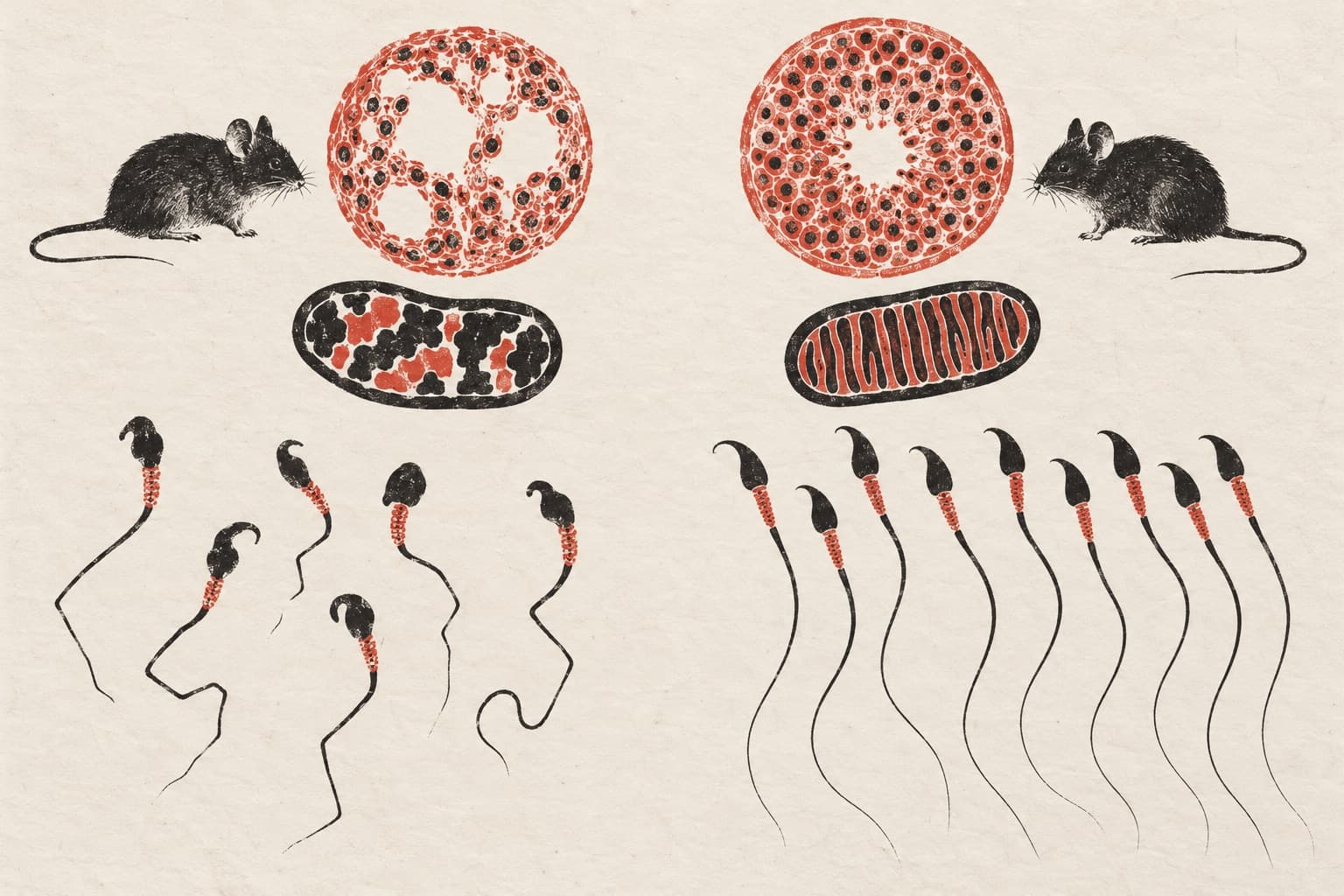
Aging-associated histone modification changes in oocytes have been sporadically reported, but the underlying mechanisms remain elusive. Here, we systematically characterize multiple histone modifications in oocytes during aging. We find that maternal and postovulatory aging markedly alter the status of histone modifications, specifically H4K12ac and H3K4me3, in both mouse and porcine oocytes. Meanwhile, we identify a substantial reduction in HDAC1 (histone deacetylase 1) protein in aged oocytes, which contributes to the changes in H4K12ac and H3K4me3. Moreover, by employing methylglyoxal (MG) and site-directed mutagenesis, we demonstrate that the elevated reactive carbonyl species (RCS) level induces HDAC1 degradation, likely through attacking the cysteine residues, thereby influences histone modification state. Importantly, supplementation of melatonin not only prevents the loss of HDAC1 protein, but also partially corrects the H4K12ac and H3K4me3 status in aged oocytes. To sum up, this study established the link between redox disequilibrium and histone modification alterations during mammalian oocyte aging.
The paper
Suzhou Municipal Hospital; Nanjing Agricultural University
Free Radical Biology & Medicine, 23 Aug 2023, Open access