The role of intracellular calcium-store-mediated calcium signals in in vivo sensor and effector functions of microglia
Abstract
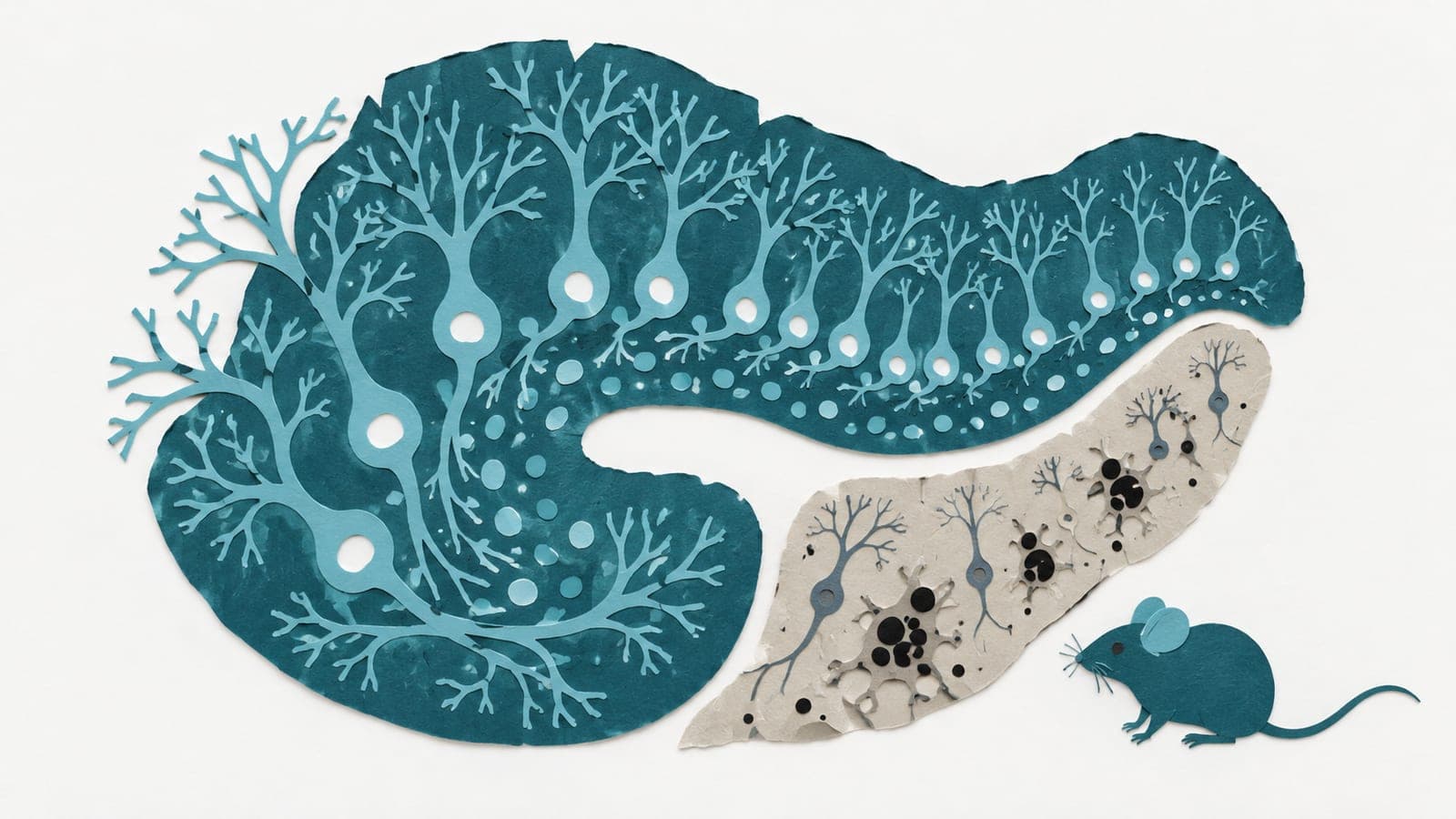
Under physiological conditions microglia, the immune sentinels of the brain, constantly monitor their microenvironment. In the case of danger, damage or cell/tissue dyshomeostasis, they react with changes in process motility, polarization, directed process movement, morphology and gene expression profile; release pro- and anti-inflammatory mediators; proliferate; and clean brain parenchyma by means of phagocytosis. Based on recent transcriptomic and in vivo Ca²⁺ imaging data, we argue that the local cell/tissue dyshomeostasis is sensed by microglia via intracellular Ca²⁺ signals, many of which are mediated by Ca²⁺ release from the intracellular Ca²⁺ stores. These signals encode the strength, duration and spatiotemporal pattern of the stimulus and, at the same time, relay this information further to trigger the respective Ca²⁺ -dependent effector pathways. We also point to the fact that microglial Ca²⁺ signalling is sexually dimorphic and undergoes profound changes across the organism's lifespan. Interestingly, the first changes in microglial Ca²⁺ signalling are visible already in 9- to 11-month-old mice, roughly corresponding to 40-year-old humans.
The paper
University of Tübingen
The Journal of Physiology, 6 Apr 2022, Open access