Caloric restriction attenuates C57BL/6 J mouse lung injury and extra-pulmonary toxicity induced by real ambient particulate matter exposure
Abstract
BACKGROUND: Caloric restriction (CR) is known to improve health and extend lifespan in human beings. The effects of CR on adverse health outcomes in response to particulate matter (PM) exposure and the underlying mechanisms have yet to be defined. RESULTS: Male C57BL/6 J mice were fed with a CR diet or ad libitum (AL) and exposed to PM for 4 weeks in a real-ambient PM exposure system located at Shijiazhuang, China, with a daily mean concentration (95.77 μg/m³) of PM2.5. Compared to AL-fed mice, CR-fed mice showed attenuated PM-induced pulmonary injury and extra-pulmonary toxicity characterized by reduction in oxidative stress, DNA damage and inflammation. RNA sequence analysis revealed that several pulmonary pathways that were involved in production of reactive oxygen species (ROS), cytokine production, and inflammatory cell activation were inactivated, while those mediating antioxidant generation and DNA repair were activated in CR-fed mice upon PM exposure. In addition, transcriptome analysis of murine livers revealed that CR led to induction of xenobiotic metabolism and detoxification pathways, corroborated by increased levels of urinary metabolites of polycyclic aromatic hydrocarbons (PAHs) and decreased cytotoxicity measured in an ex vivo assay. CONCLUSION: These novel results demonstrate, for the first time, that CR in mice confers resistance against pulmonary injuries and extra-pulmonary toxicity induced by PM exposure. CR led to activation of xenobiotic metabolism and enhanced detoxification of PM-bound chemicals. These findings provide evidence that dietary intervention may afford therapeutic means to reduce the health risk associated with PM exposure.
From the paper
- Events by group
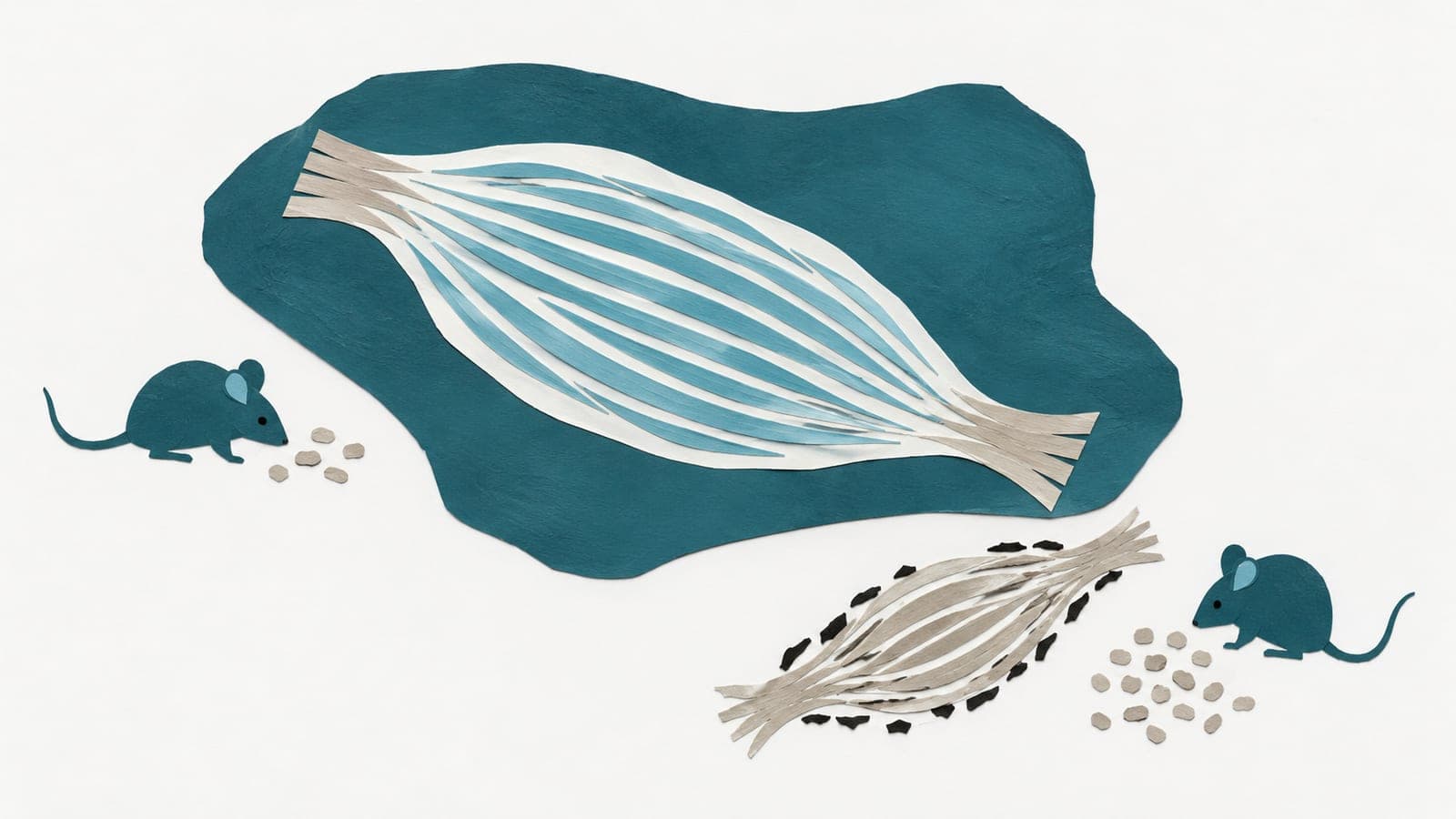
As indicated by the pulmonary injury score, PM exposure led to a 77% increase of pulmonary injury in AL-fed mice compared to the AF control group, while 45% increase was observed in CR-fed mice.
Results, CR efficiently protected against mouse pulmonary injury induced by PM exposure
- Harms
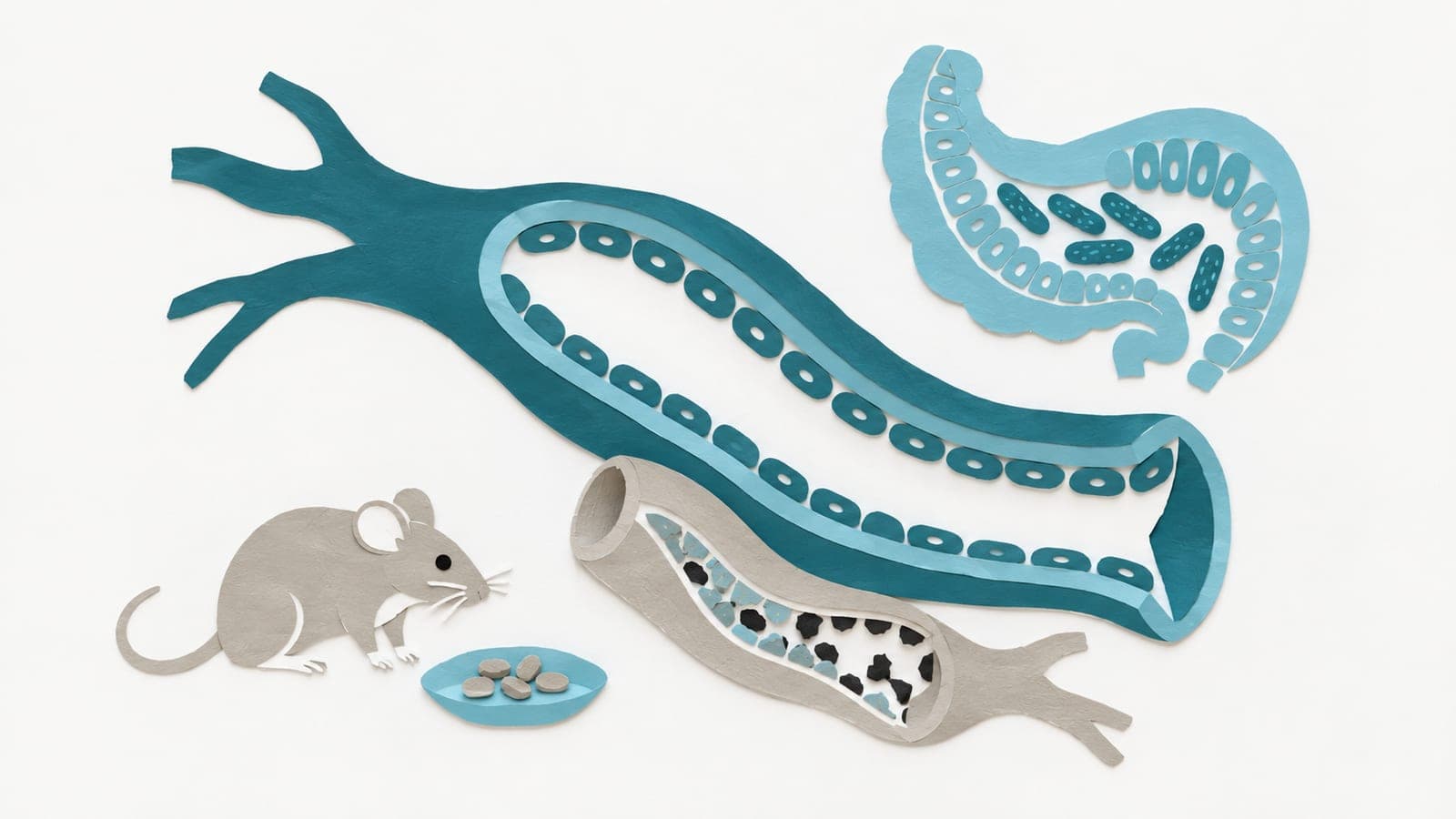
… we found a reduction in cell viability ranging from 16.32 to 27.13% (AL-fed mice) and from 8.36 to 16.28% (CR-fed mice), respectively in multiple cells treated with the diluted plasma following PM exposure, indicating that a decreased toxicity presented in peripheral blood of CR-fed mice.
Results, CR attenuates the extra-pulmonary toxicity upon PM exposure
Quoted word for word from the full text on PubMed Central.
The paper
Sun Yat-sen University
Particle and Fibre Toxicology, 5 Jun 2020, Open access