Chemical screening identifies ATM as a target for alleviating senescence
By Kang HT, Park JT, Choi K et al.
Abstract
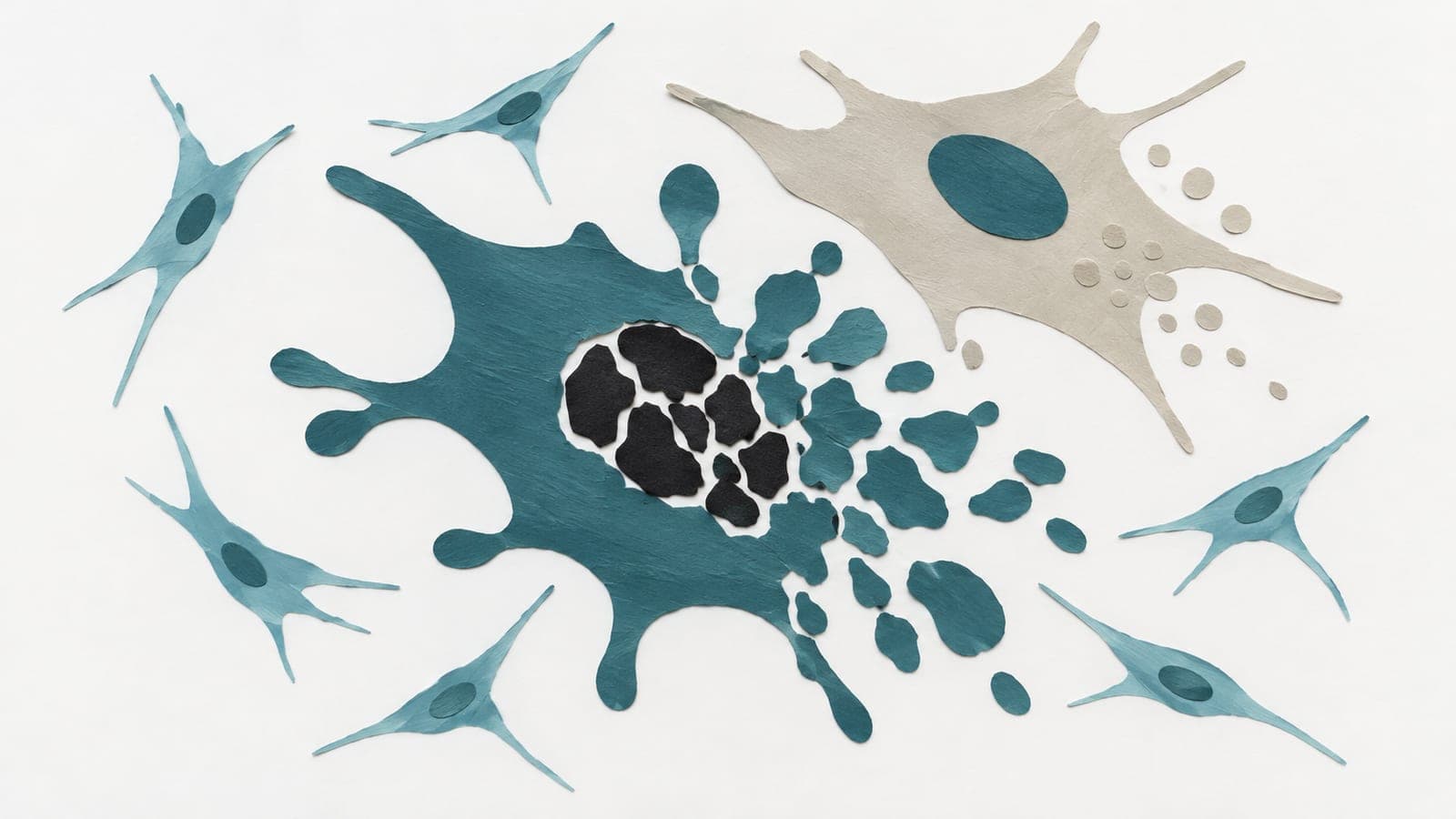
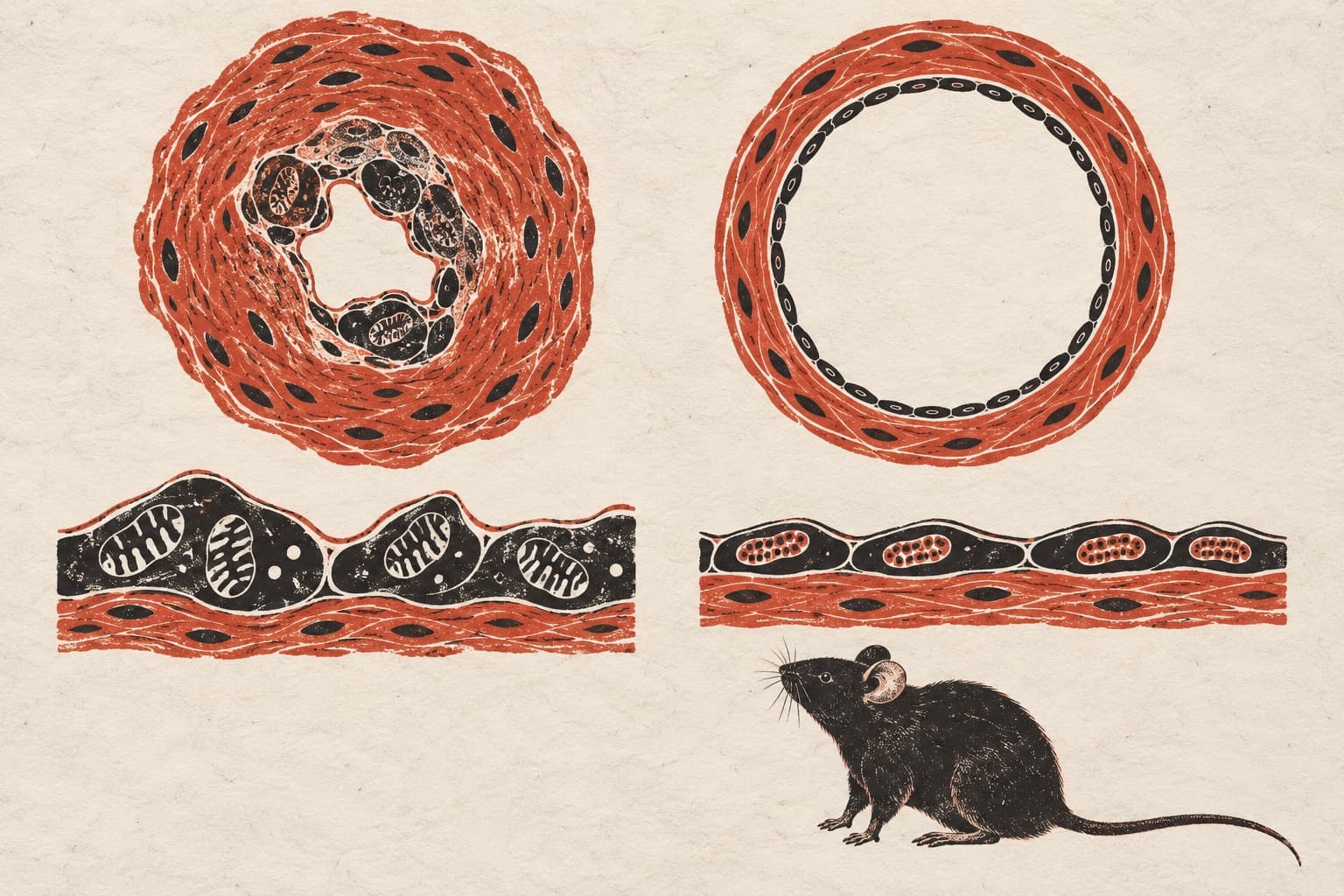
Senescence, defined as irreversible cell-cycle arrest, is the main driving force of aging and age-related diseases. Here, we performed high-throughput screening to identify compounds that alleviate senescence and identified the ataxia telangiectasia mutated (ATM) inhibitor KU-60019 as an effective agent. To elucidate the mechanism underlying ATM's role in senescence, we performed a yeast two-hybrid screen and found that ATM interacted with the vacuolar ATPase V₁ subunits ATP6V1E1 and ATP6V1G1. Specifically, ATM decreased E-G dimerization through direct phosphorylation of ATP6V1G1. Attenuation of ATM activity restored the dimerization, thus consequently facilitating assembly of the V₁ and V₀ domains with concomitant reacidification of the lysosome. In turn, this reacidification induced the functional recovery of the lysosome/autophagy system and was coupled with mitochondrial functional recovery and metabolic reprogramming. Together, our data reveal a new mechanism through which senescence is controlled by the lysosomal-mitochondrial axis, whose function is modulated by the fine-tuning of ATM activity.
The paper
Kang HT, Park JT, Choi K et al.
Nature Chemical Biology, Mar 27, 2017