Annual Review of Pathology
The senescence-associated secretory phenotype: the dark side of tumor suppression
ReviewMechanisms
Abstract
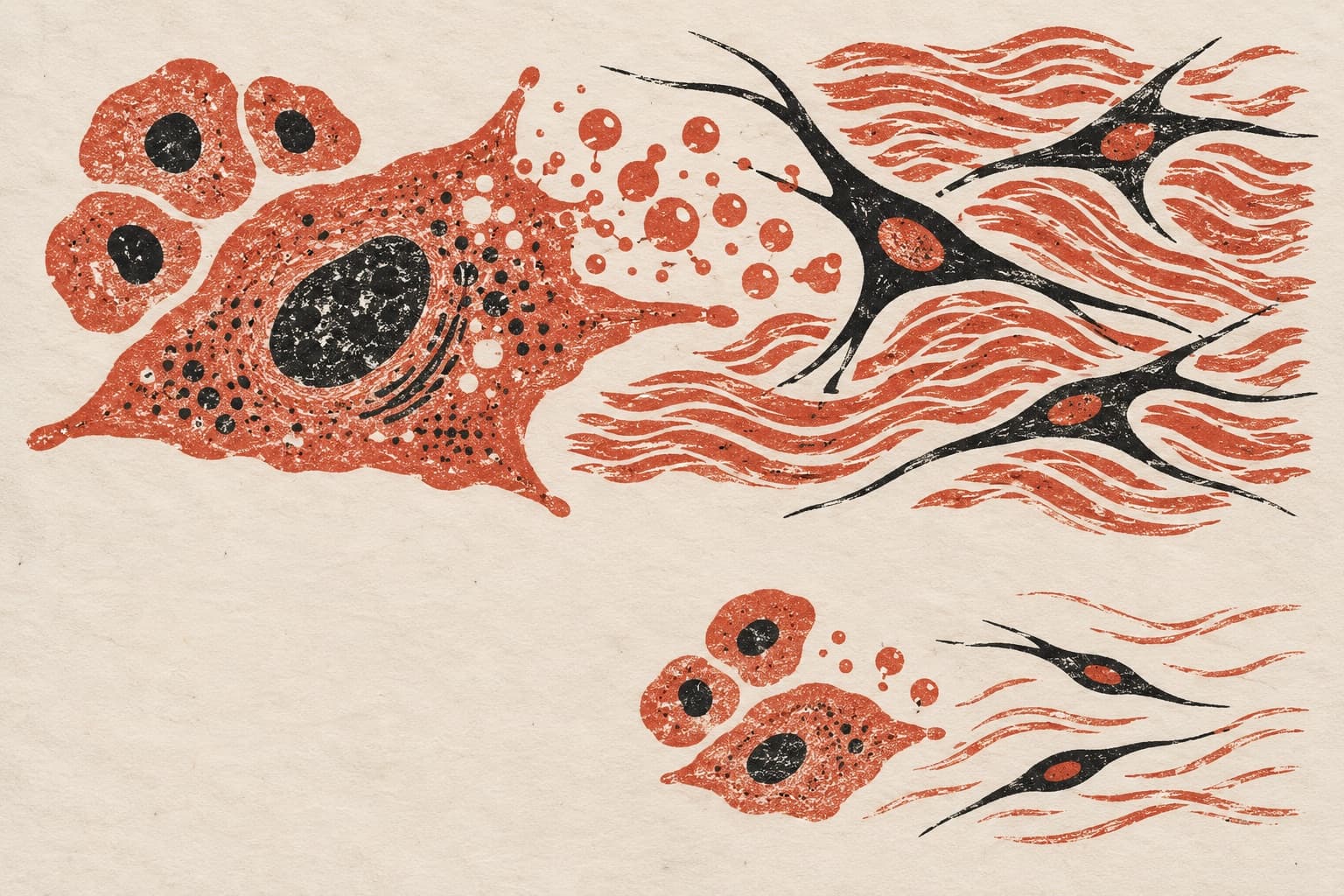
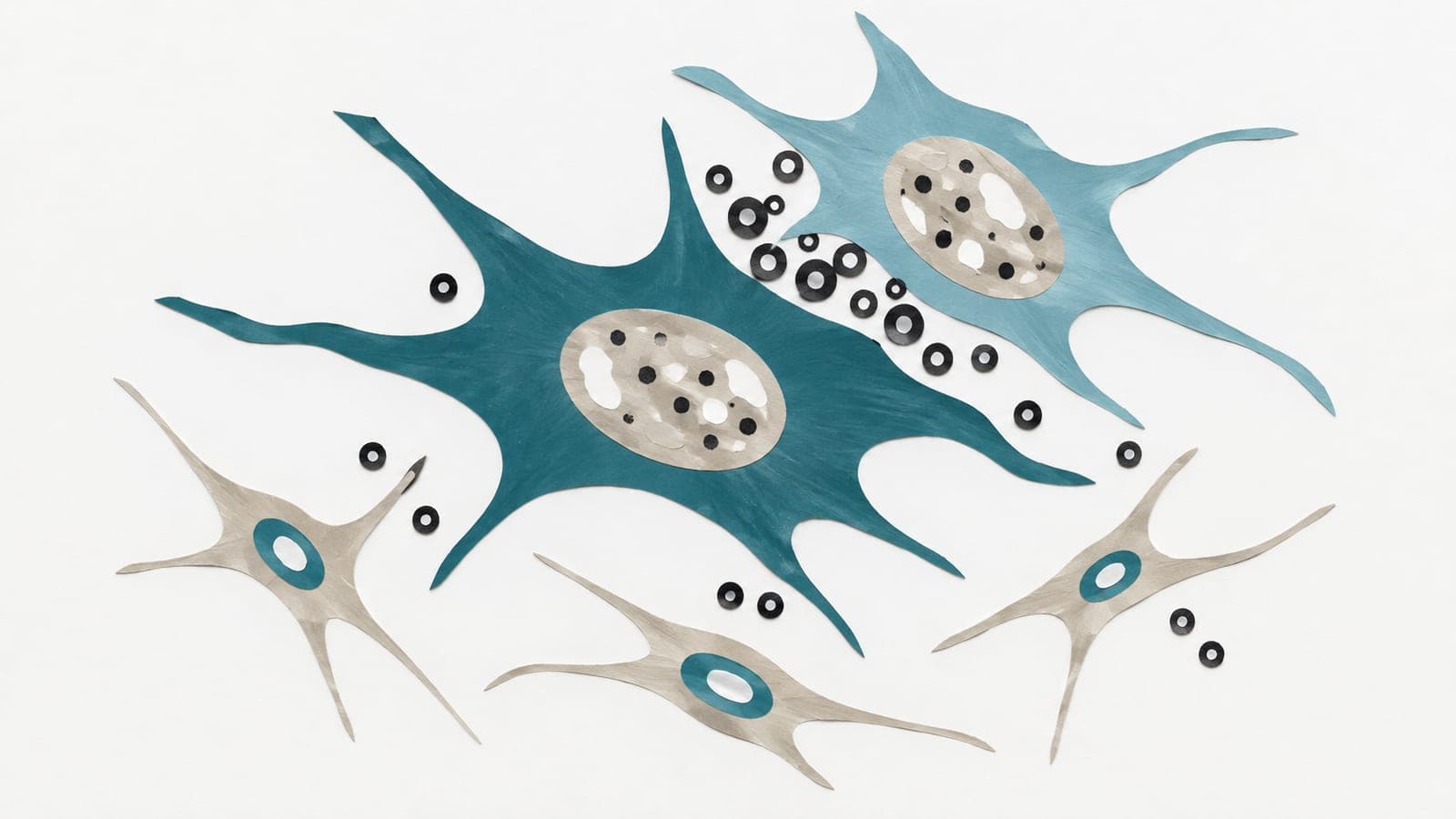
Cellular senescence is a tumor-suppressive mechanism that permanently arrests cells at risk for malignant transformation. However, accumulating evidence shows that senescent cells can have deleterious effects on the tissue microenvironment. The most significant of these effects is the acquisition of a senescence-associated secretory phenotype (SASP) that turns senescent fibroblasts into proinflammatory cells that have the ability to promote tumor progression.
The paper
Lawrence Berkeley National Laboratory; Buck Institute for Research on Aging
Annual Review of Pathology, 1 Jan 2010