Alterations of nuclear envelope and chromatin organization in mandibuloacral dysplasia, a rare form of laminopathy
Abstract
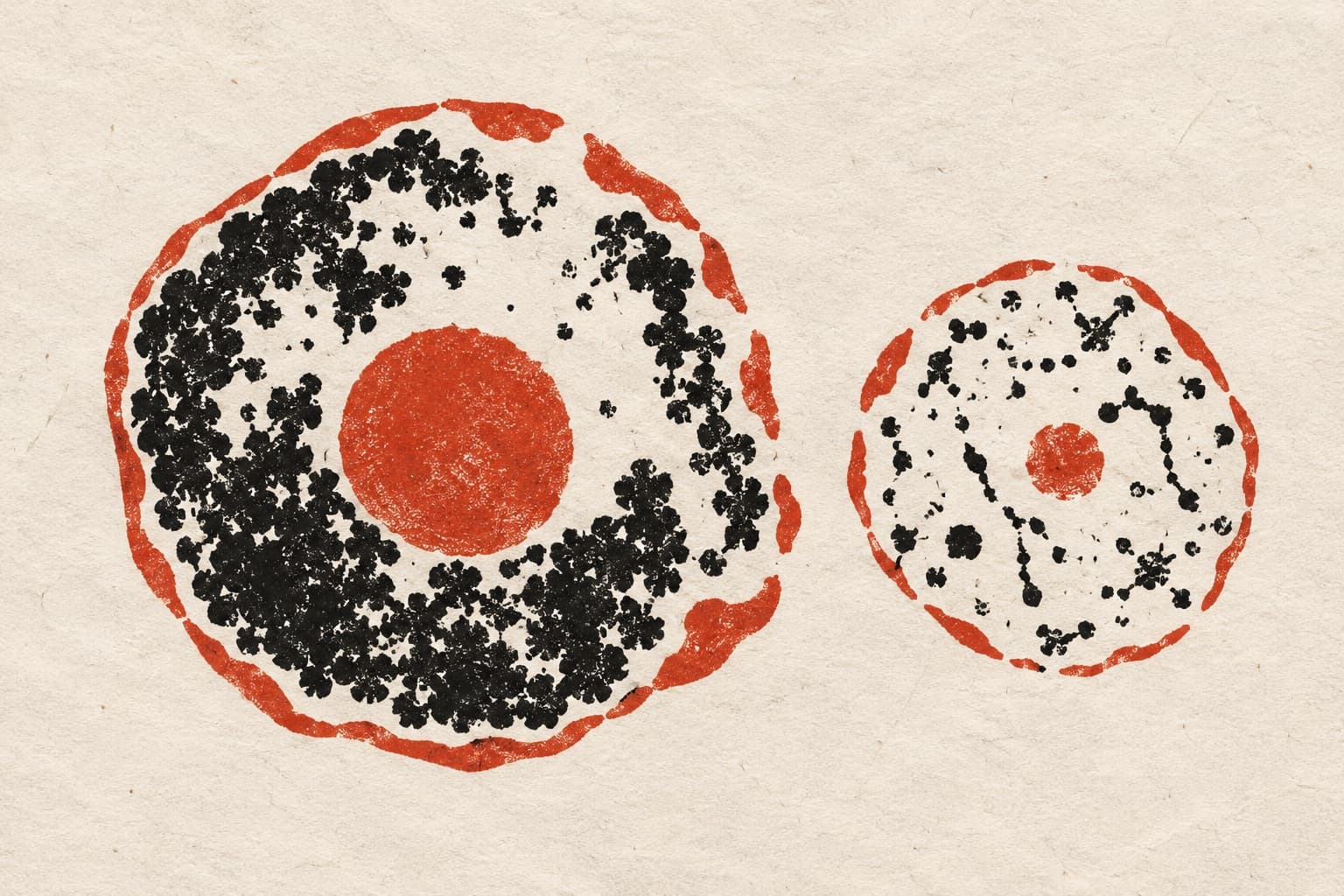
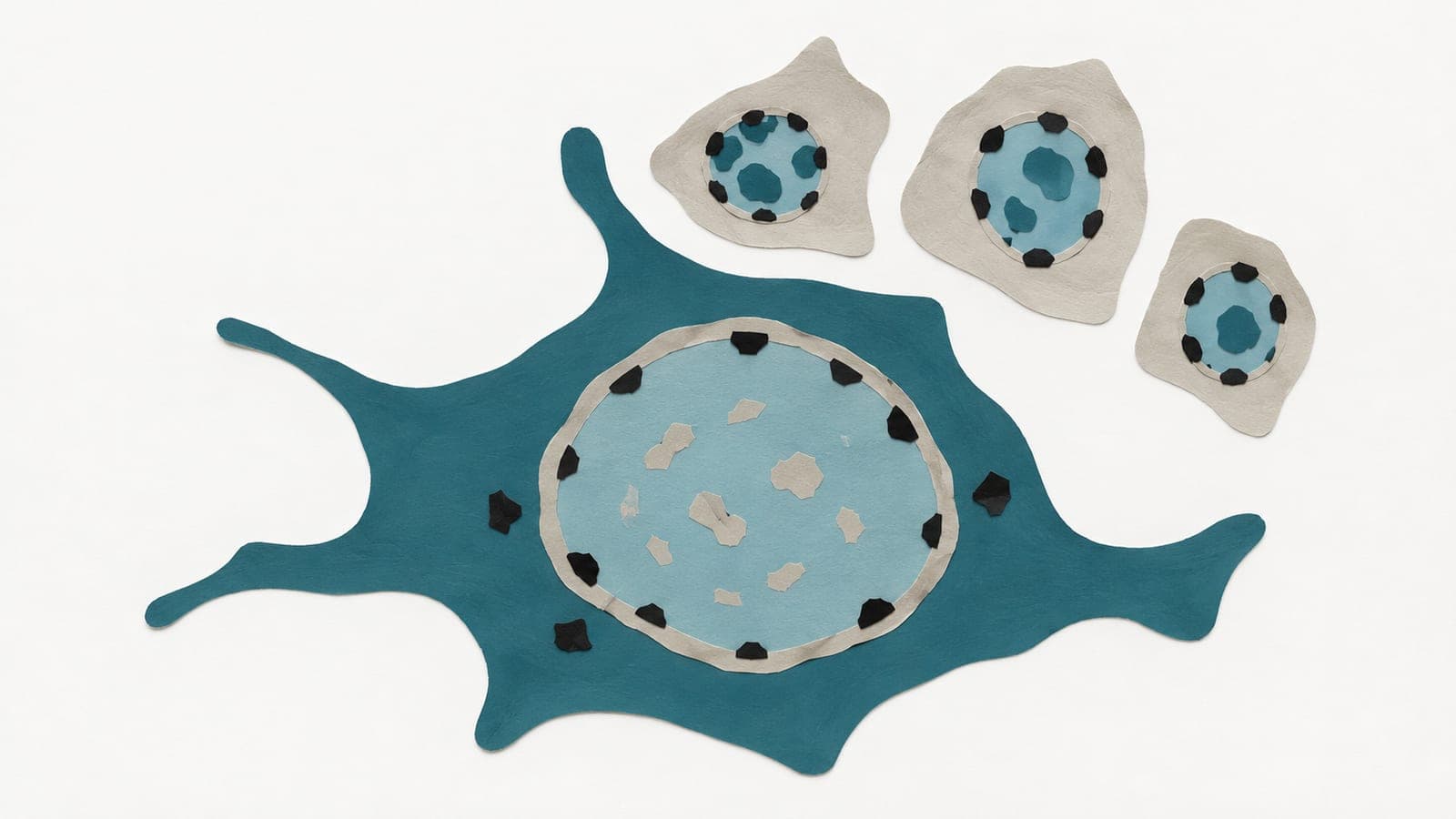
Autosomal recessive mandibuloacral dysplasia [mandibuloacral dysplasia type A (MADA); Online Mendelian Inheritance in Man (OMIM) no. 248370] is caused by a mutation in LMNA encoding lamin A/C. Here we show that this mutation causes accumulation of the lamin A precursor protein, a marked alteration of the nuclear architecture and, hence, chromatin disorganization. Heterochromatin domains are altered or completely lost in MADA nuclei, consistent with the finding that heterochromatin-associated protein HP1beta and histone H3 methylated at lysine 9 and their nuclear envelope partner protein lamin B receptor (LBR) are delocalized and solubilized. Both accumulation of lamin A precursor and chromatin defects become more severe in older patients. These results strongly suggest that altered chromatin remodeling is a key event in the cascade of epigenetic events causing MADA and could be related to the premature-aging phenotype.
- Nuclear envelope
- Chromatin
- Chromatin and 3D genome organisation
- Laminopathy
- Mandibuloacral dysplasia type A
- Humans
The paper
University of Rome Tor Vergata; Istituto Neurologico Mediterraneo
Physiological Genomics, 26 Jul 2005