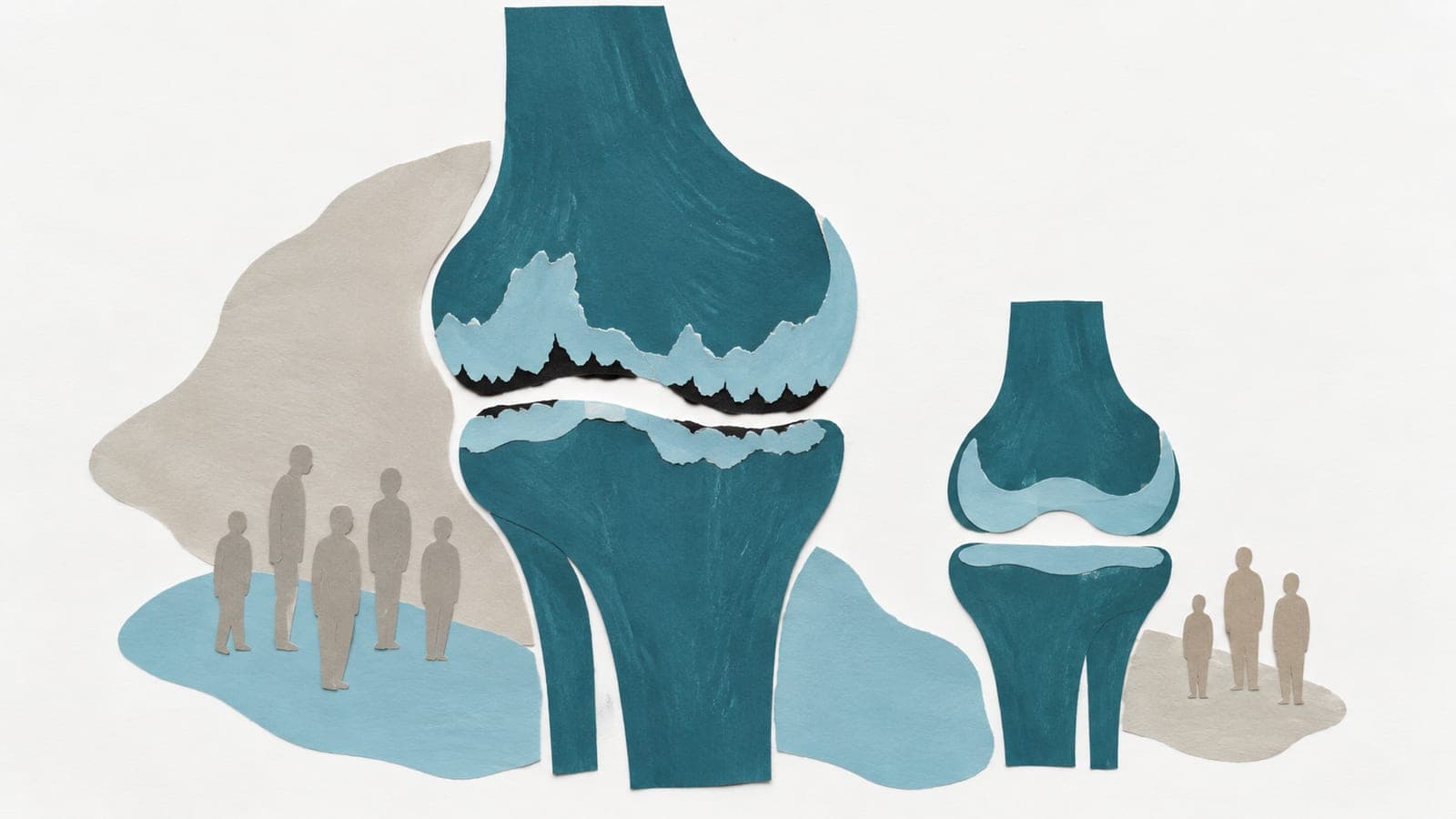
Benefits of hydrotherapy for older adults with knee osteoarthritis: an integrative literature review
Abstract
Population aging increases the incidence of chronic-degenerative pathologies, particularly knee osteoarthritis as a major cause of disabling pain, joint stiffness, and functional decline in older adults. Given the need for non-invasive, low-impact mechanical interventions, this study aimed to analyze scientific evidence regarding the benefits of hydrotherapy in pain reduction and functional improvement in elderly individuals affected by this condition, establishing its clinical efficacy for promoting autonomy in senescence. The methodology was designed as an integrative literature review of qualitative and descriptive nature, operationalized using the PICO strategy across SciELO, LILACS, PubMed, and PEDro databases by cross-referencing descriptors from DeCS and MeSH combined with the Boolean operators AND and OR. The temporal framework encompassed publications from 2019 to 2026, excluding duplicates, grey literature, and studies with confounding associated therapies. The initial search yielded 235 manuscripts; following rigorous screening guided by PRISMA recommendations, the final sample consolidated 10 randomized controlled trials. The results demonstrated that hydrostatic buoyant force reduces compressive load on tibiofemoral cartilage by up to 80%, while water heated to 33 °C promotes peripheral vasodilation, suppresses tender points, and induces neuromuscular relaxation, significantly decreasing Visual Analogue Scale scores and serum pro-inflammatory biomarkers. Multidirectional hydrodynamic resistance provided an average gain of 11 degrees in active flexion, enhanced quadriceps extensor torque, and improved dynamic stability in the Timed Up and Go test, substantially lowering fall risk. It is concluded that hydrokinesiotherapy is an essential non-pharmacological resource to restore independence in daily life activities and enhance the quality of life in elderly people.
The paper
Universidade Paulista
Revista Fisio&terapia, Oct 12, 2026, Open access, CC BY