Caloric Restriction Promotes Ischemia/Reperfusion Cardioprotection Through Increased Mitochondrial Na + /Ca 2+ Exchange
Abstract
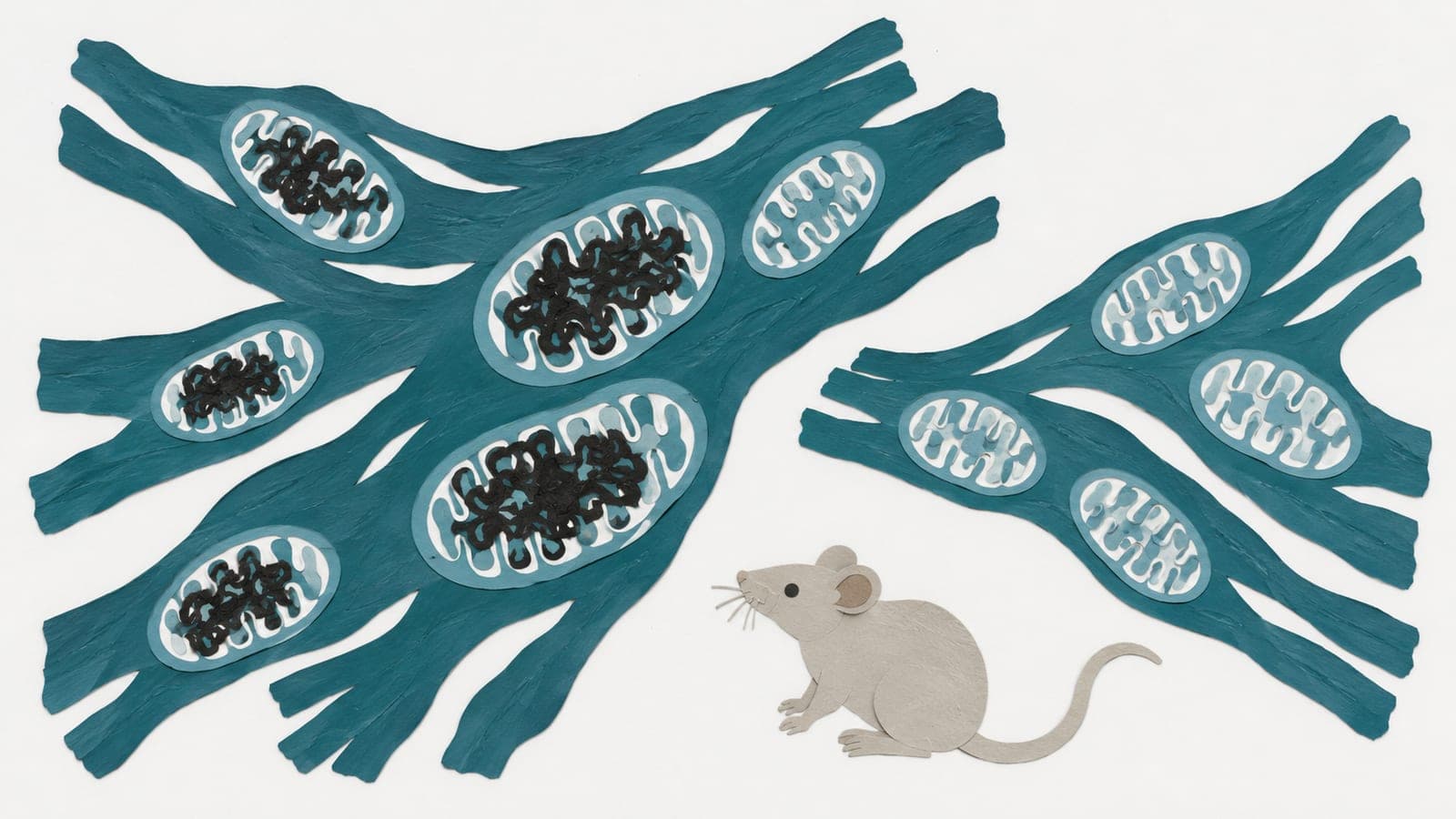
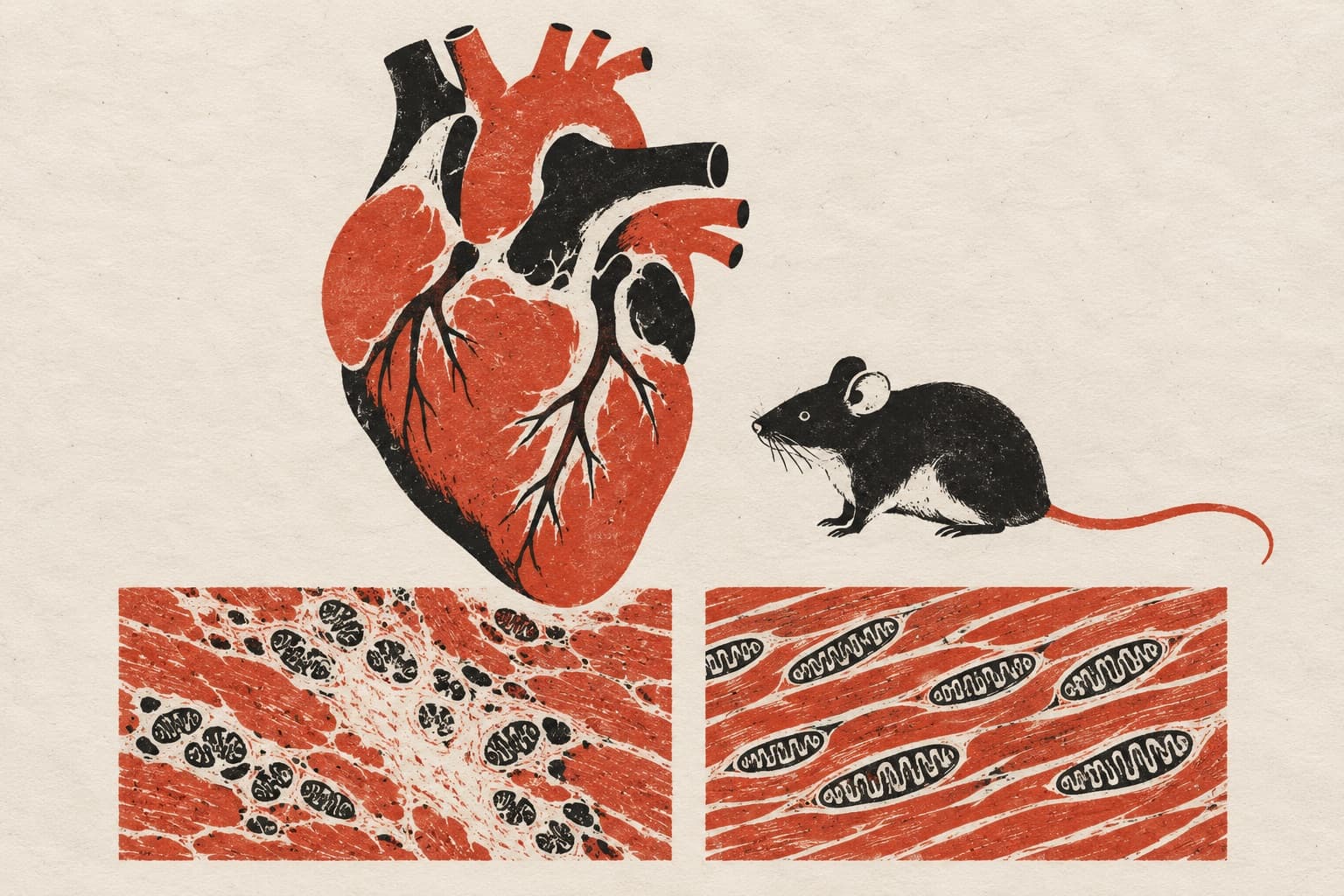
ABSTRACT Caloric restriction (CR) protects against cardiac ischemia/reperfusion (I/R) injury, but the underlying mechanisms remain incompletely understood. Since mitochondrial Ca 2+ overload and redox imbalance is a major driver of cardiac damage during reperfusion, we investigated if enhanced mitochondrial Ca 2+ efflux contributes toward CR-induced cardioprotection. Rats were subjected to 16 weeks of ad libitum (AL) feeding or 40% caloric restriction. CR significantly increased mitochondrial Ca 2+ retention capacity when Na + ions were present, reduced H 2 O 2 release, and increased the expression of proteins related to mitochondrial Ca 2+ extrusion. In cardiomyocytes exposed to serum from CR rats, Ca 2+ retention capacity also markedly increased, as well as Ca 2+ efflux and the expression of extrusion proteins NCLX and TMEM65. Following I/R, CR hearts exhibited improved functional recovery accompanied by enhanced retention and increased mitochondrial Ca 2+ efflux activity, as well as reduced H 2 O 2 release compared to AL controls. Inhibition of mitochondrial Na + /Ca 2+ exchange abolished the mitochondrial adaptive effects of CR, eliminating its protection against damage in cardiomyocytes and perfused hearts. These findings demonstrate that CR protects the heart from I/R injury by enhancing CGP-sensitive Na + -dependent mitochondrial Ca 2+ efflux, preserving mitochondrial function, limiting redox imbalance, and improving post-ischemic cardiac recovery. GRAPHICAL ABSTRACT
The paper
Universidade de São Paulo
bioRxiv, 21 Jul 2026, Open access, CC BY, Preprint, not peer-reviewed