The contributions of social factors to lifespan disparity: multi-factor analysis and a four-way case study of U.S. lifespan
Abstract
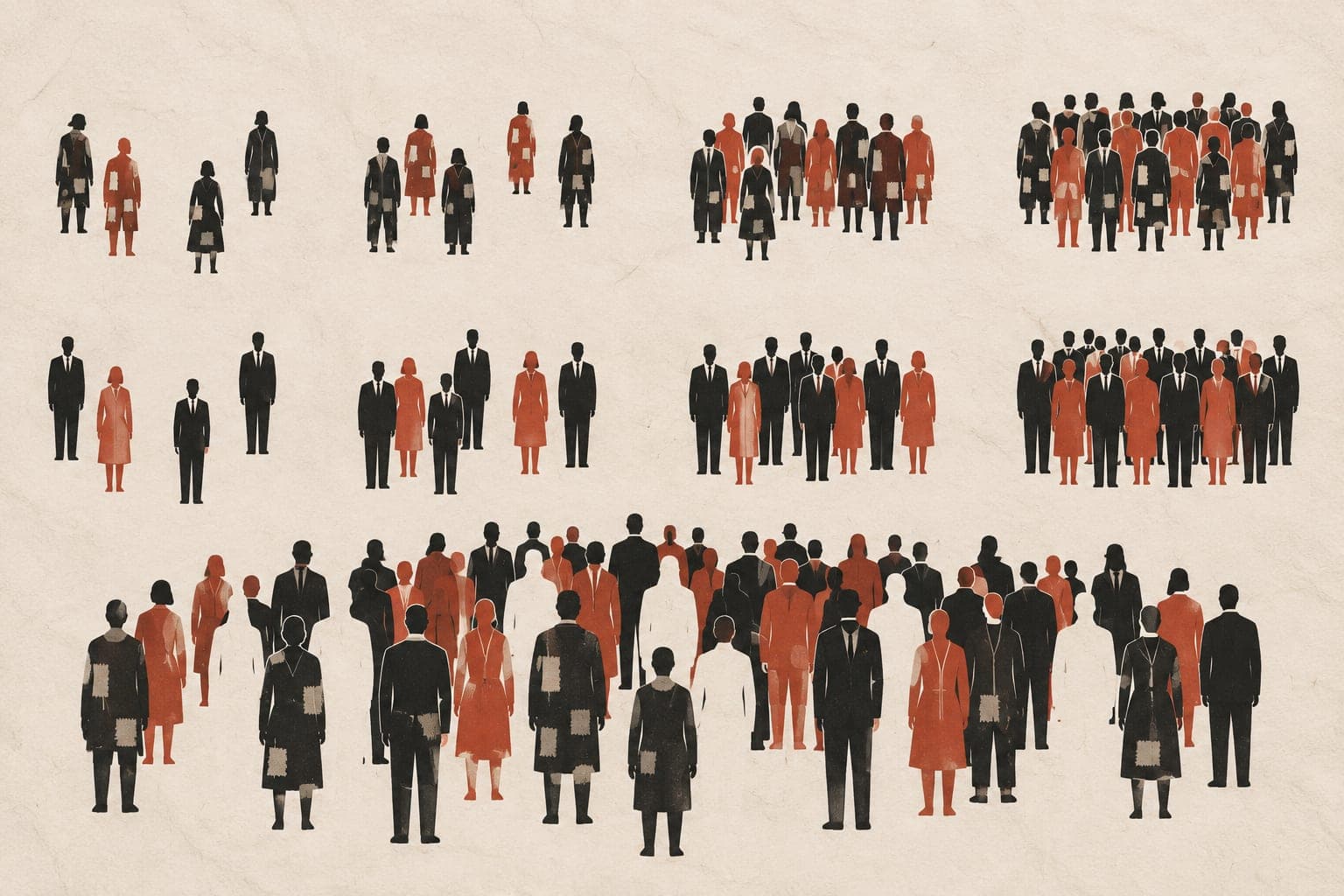
Abstract Lifespan varies among individuals, and this variation arises both from heterogeneity (e.g., in sex or race) and from unavoidable individual stochasticity. Treating a heterogeneous population as a mixture of groups, each experiencing different rates, makes it possible to partition lifespan variance into a between-group component due to heterogeneity and a within-group component due to chance. Until now, such studies could only treat factors one at a time. This paper presents an analysis that applies to multi-factor studies and quantifies the contribution of multiple factors and their interactions to variance in lifespan. As a case study it is applied to life table data from a four-factor (sex, marital status, education, and race) study of longevity in the U.S. population, 2015–2019. Even accounting for four main factors, six two-way interactions, four three-way interactions, and one four-way interaction, between-group heterogeneity accounts for only 7% to 10% of lifespan variance. Education and its interactions make the largest contribution. Main effects make the largest contributions; those of two-way, three-way, and four-way interactions are orders of magnitude smaller.
The paper
Woods Hole Oceanographic Institution
medRxiv, 12 Mar 2026, CC BY, Preprint, not peer-reviewed