OVARIAN TRANSPLANTATION: FROM FERTILITY PRESERVATION TO GEROSCIENCE
Abstract
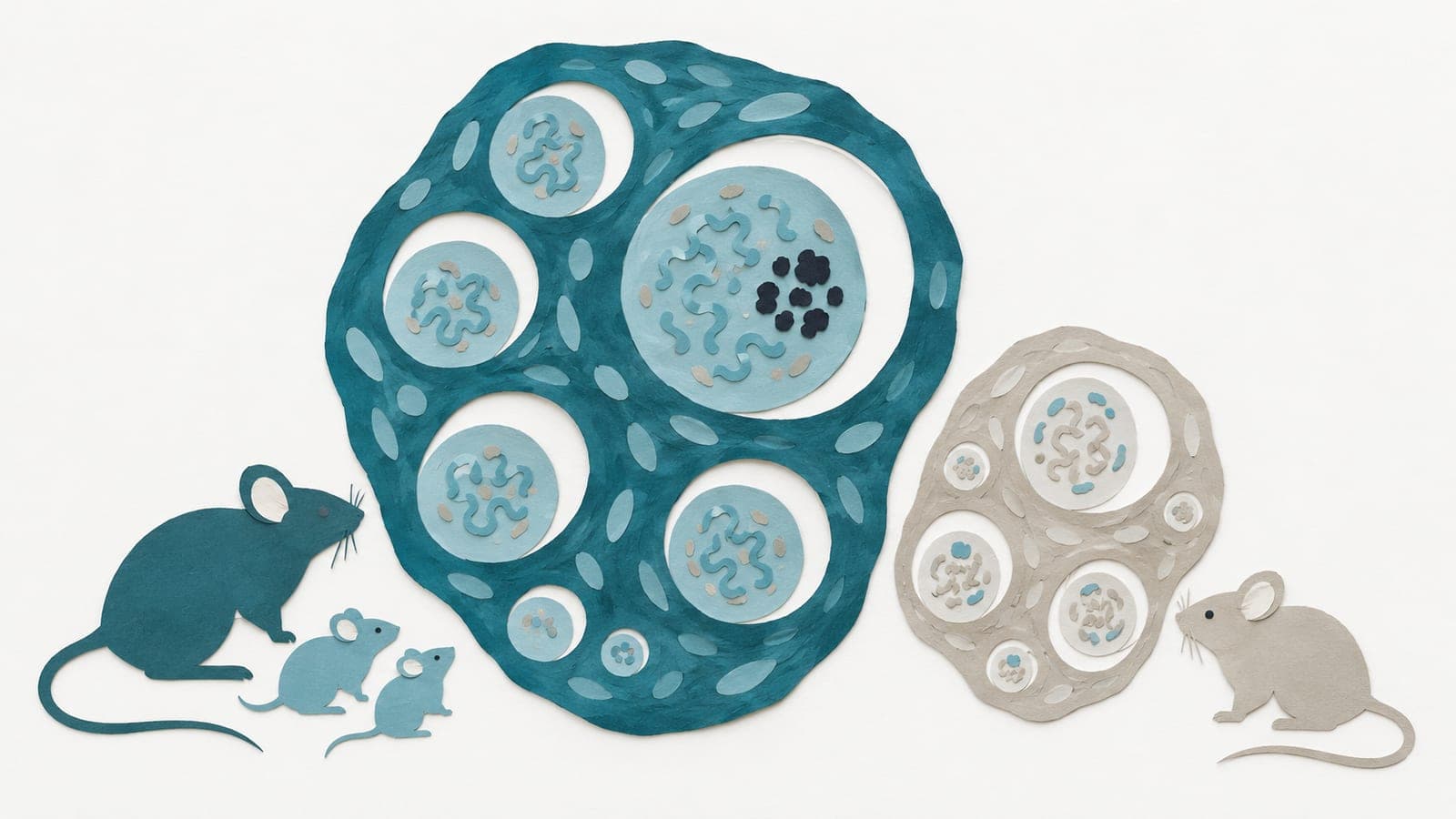
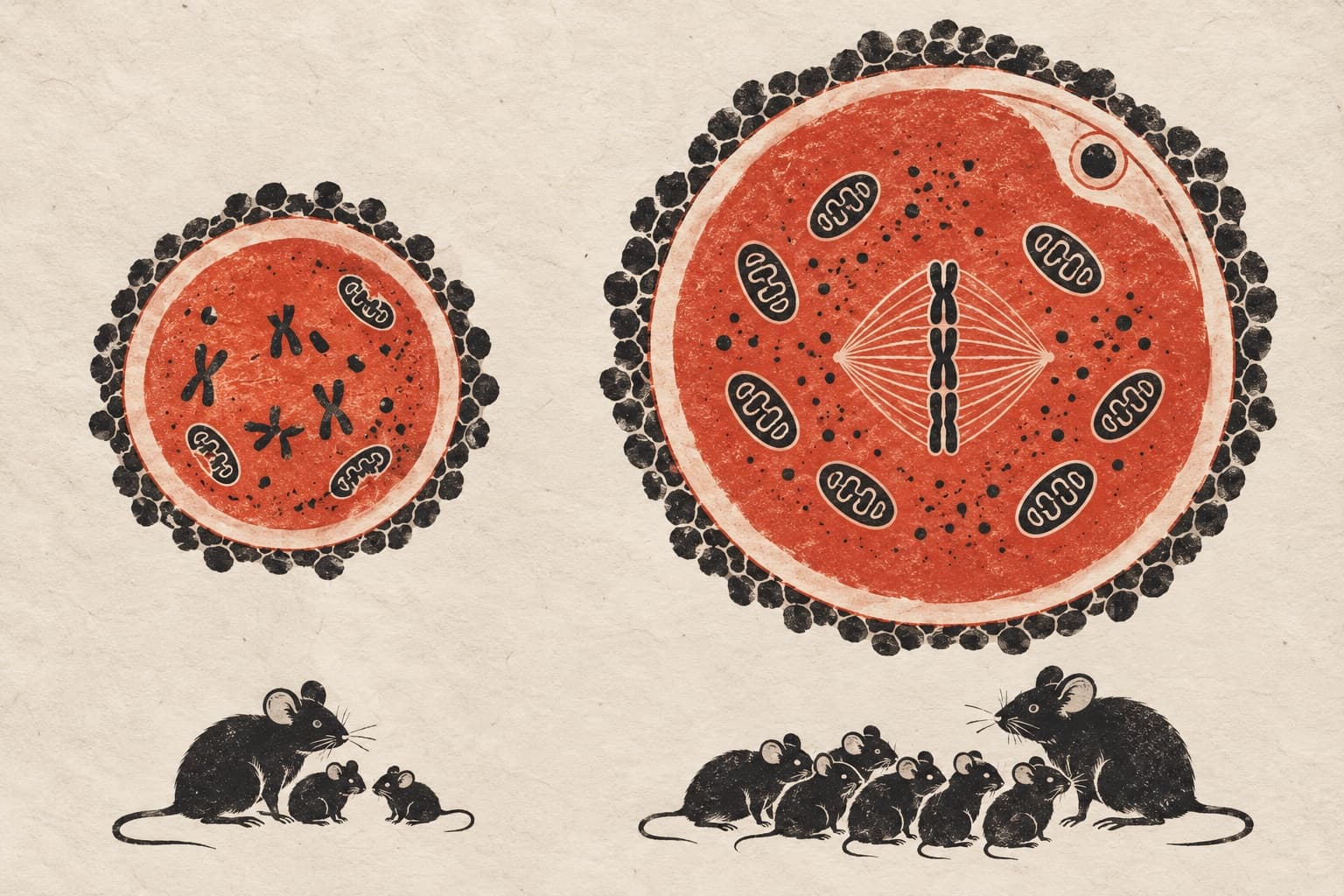
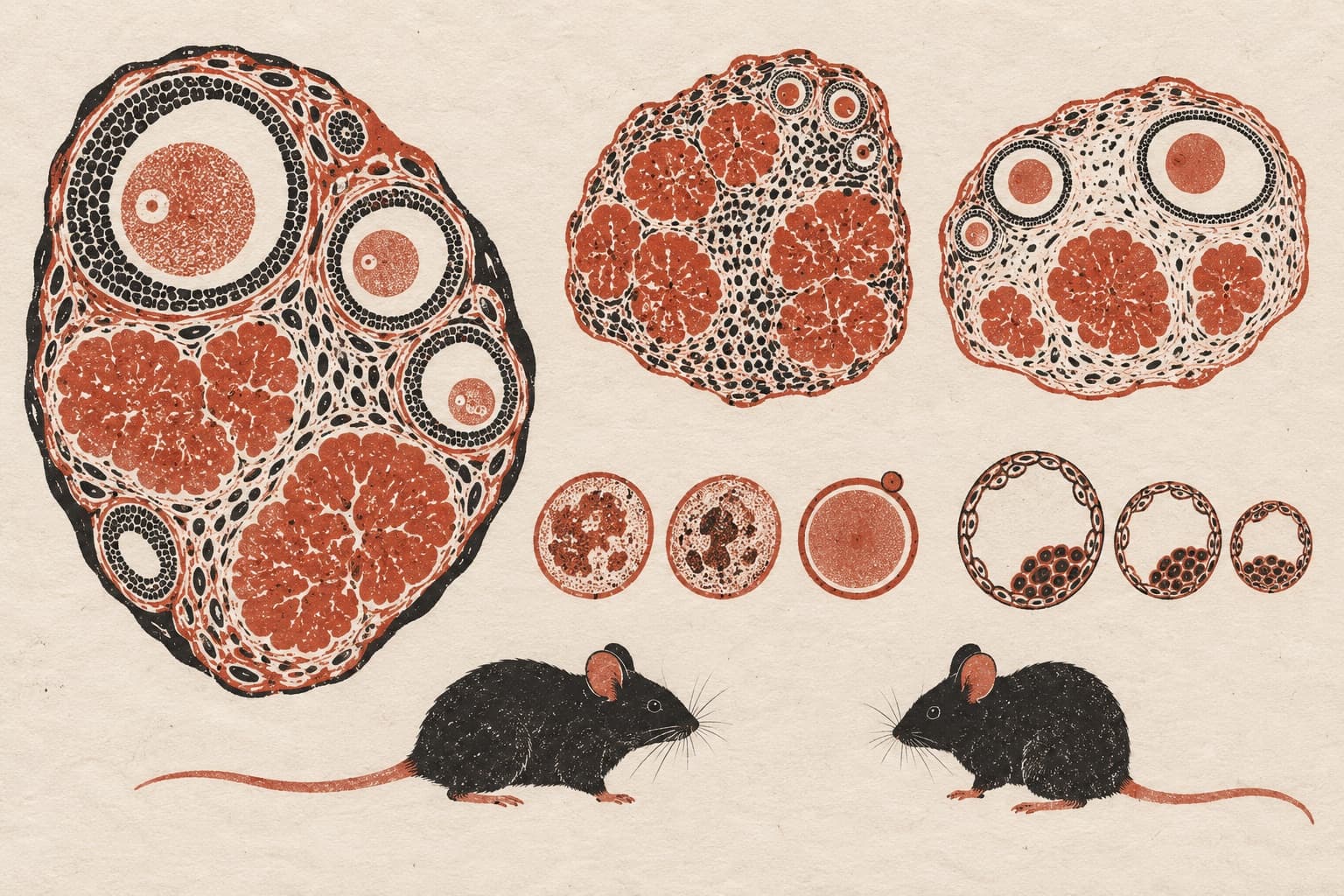
Background. Ovarian transplantation has evolved over the past two decades from an experimental fertility-preservation technique into an established clinical procedure, with more than 200 live births documented worldwide. The field has progressed from autologous cryopreserved cortical-strip grafts to allotransplantation between genetically non-identical individuals requiring pharmacological immunosuppression. In parallel, a growing body of preclinical evidence in rodent models demonstrates that transplantation of young ovaries into aged females extends maximum lifespan by approximately 40% and reverses multiple hallmarks of systemic aging, including immune senescence, cardiovascular dysfunction, cognitive decline, renal impairment, and sarcopenia. This convergence of clinical and basic-science advances creates a compelling rationale for the development of a dedicated gerontological ovarian transplantation trial. Objective. To review the full clinical history of human ovarian transplantation, present the current state of allotransplantation trials, summarize preclinical longevity data, and propose a conceptual framework for a geroscience-focused whole-ovary transplantation trial using deceased donors. Methods. A comprehensive search of PubMed, EMBASE, ClinicalTrials.gov, and grey literature was performed for the period 1987–2025. All human case reports, case series, clinical trials, and systematic reviews on ovarian tissue and whole-ovary transplantation were included. Animal studies addressing ovarian transplantation and lifespan were specifically sought. Results. Since the landmark 2004 Donnez live birth, autologous ovarian tissue transplantation has achieved a pooled live-birth rate of approximately 28–37% per transplant. Allotransplantation between monozygotic twins was established by Silber (2005–2008), including the first and only live birth following microsurgical whole-ovary transfer. Non-identical-sister allografts without immunosuppression were demonstrated in chimeric recipients by Donnez (2011). The critical 2024 advance by Silber and colleagues constitutes the first successful ovarian cortex allotransplant to a patient with Turner syndrome requiring pharmacological immunosuppression, with spontaneous pregnancy achieved. Clinical trial NCT06673004 (Flyckt, University Hospitals, Cleveland) formalises this approach for primary ovarian insufficiency. Preclinical evidence from at least nine controlled studies by Mason, Cargill, and Habermehl demonstrates that ovarian transplantation from young to old mice extends median and maximum lifespan, with the longevity effect attributable to ovarian somatic tissue rather than germ cells or oestradiol alone. Conclusions. The technical, immunological, and ethical infrastructure is now sufficiently mature to justify a first-in-human gerontological ovarian transplantation pilot trial. A proposed design involves deceased-donor whole-ovary procurement with vascular anastomosis, targeting post-menopausal women aged 50–65 years under a kidney-transplant immunosuppression protocol, with primary endpoints of endocrine restoration and biological-age biomarkers. The implications for longevity medicine are profound: ovarian transplantation may represent the most physiologically complete intervention for female post-menopausal aging currently within reach.
The paper
Zenodo, 4 May 2026, Open access, CC BY, Preprint, not peer-reviewed