GHS-CVRAI: A Receptor-Resolved Cardiovascular Risk Amplification Index for Antipsychotic Prescribing Across Psychiatric Disorders
Abstract
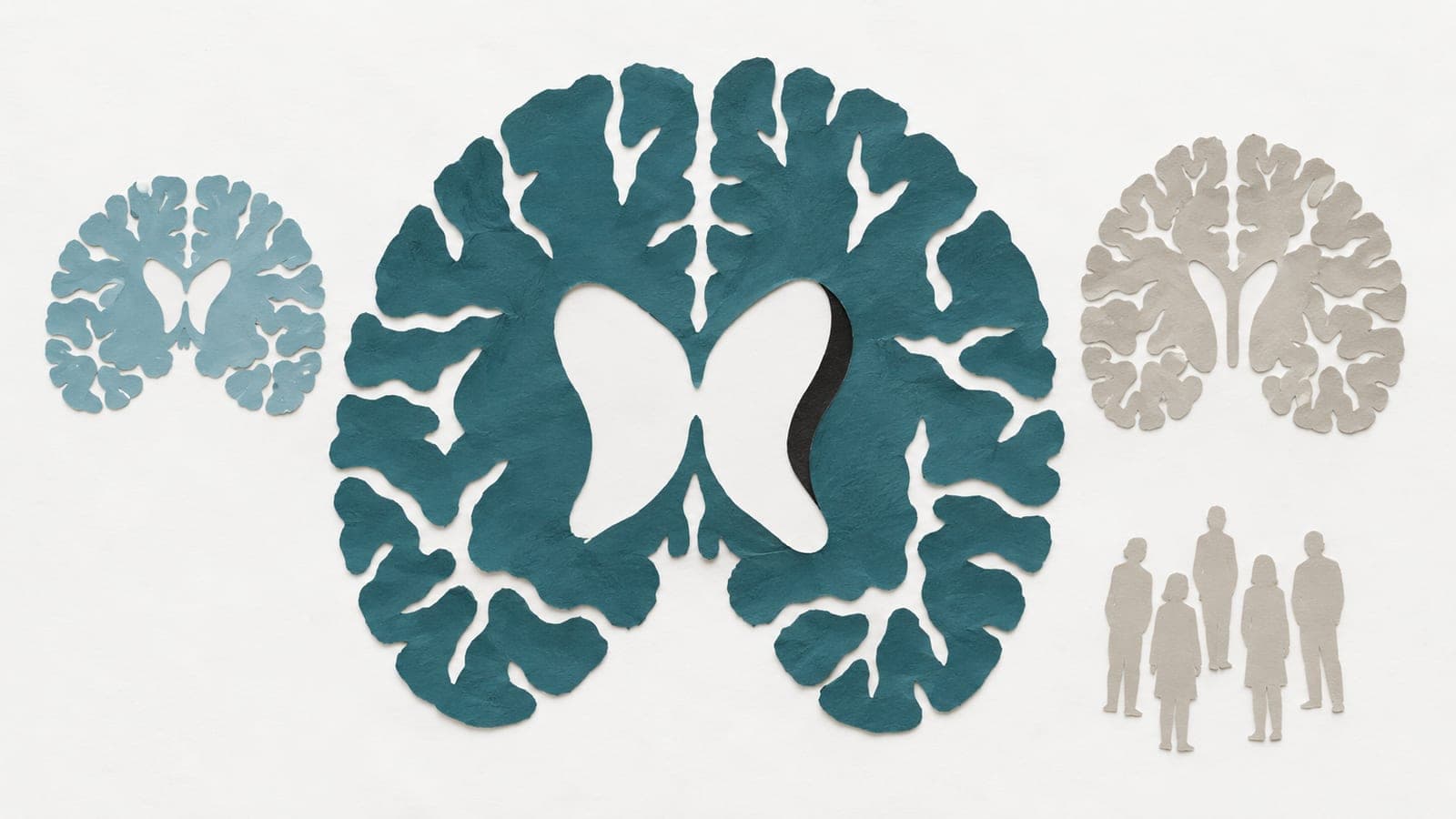
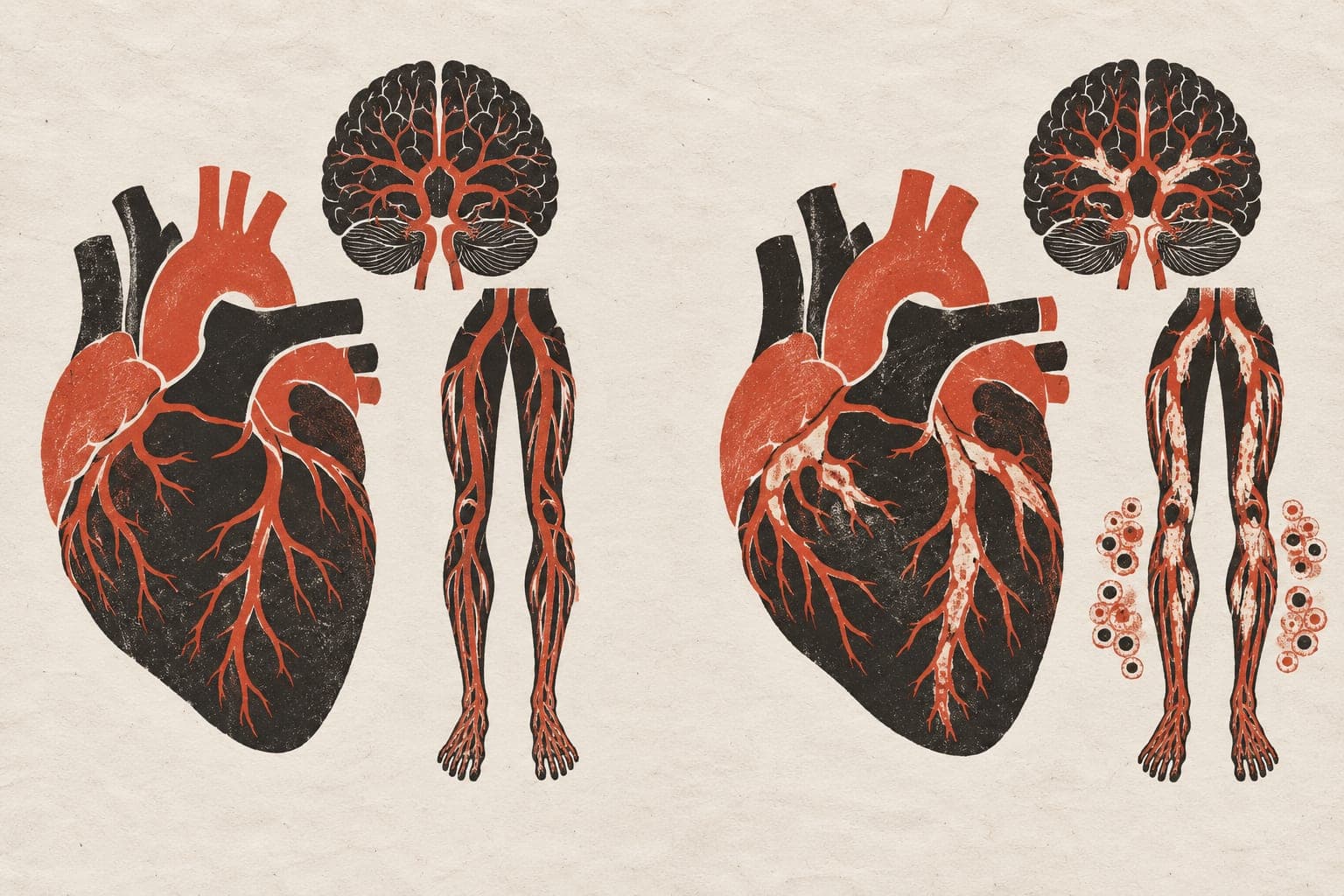
People with schizophrenia often present with lower low-density lipoprotein cholesterol (LDL-C) at illness onset, particularly before antipsychotic exposure, yet LDL-C commonly rises after treatment with second-generation antipsychotics, contributing to the excess cardiovascular mortality seen in this population. The Glial–Hematopoietic–Senescence (GHS) Pleiotropy Model proposed by Ngo Cheung [13] offers one explanation for this apparent contradiction by separating the effects of pleiotropic genetic liability into two compartments. In that framework, LDL-associated variants are thought to act mainly on glial cholesterol handling in the brain, whereas schizophrenia polygenic risk is linked to clonal hematopoiesis and inflammaging in peripheral tissues. What has remained uncertain is whether pharmacologically driven amplification of the peripheral senescence–clonal hematopoiesis pathway is unique to schizophrenia or extends across psychiatric diagnoses. To address this question, the present study extended the GHS framework transdiagnostically by applying S-PrediXcan transcriptome-wide association analyses in six metabolic and cardiac-relevant GTEx v8 tissues across major depressive disorder, bipolar disorder, schizophrenia, and obsessive-compulsive disorder. We then developed a quantitative Glial–Hematopoietic–Senescence Cardiovascular Risk Amplification Index (GHS-CVRAI) that combined genetically predicted receptor expression, antipsychotic binding affinities, and reporting odds ratios for major adverse cardio- and cerebrovascular events. The 13-receptor gene set was not significantly enriched in any disorder, with permutation p-values ranging from 0.219 to 0.817. Even so, the magnitude of predicted risk differed appreciably by diagnosis. Major depressive disorder yielded the highest GHS-CVRAI scores for high-affinity antipsychotics, whereas schizophrenia yielded the lowest. Across disorders, drug rankings were comparatively stable, with risperidone and ziprasidone tending to score highest and lurasidone, aripiprazole, and quetiapine tending to score lowest. Taken together, these findings indicate that receptor genetics may shape the intensity of peripheral amplification rather than determine whether it occurs at all. On that basis, the proposed index may offer a practical, mechanism-informed aid for antipsychotic selection and cardiometabolic risk stratification across psychiatric disorders.
The paper
Zenodo, 19 Mar 2026, CC BY, Preprint, not peer-reviewed