Impact of sarcopenic obesity on body composition, functional performance, and fall risk in older adults living in rural communities in Ecuador
Abstract
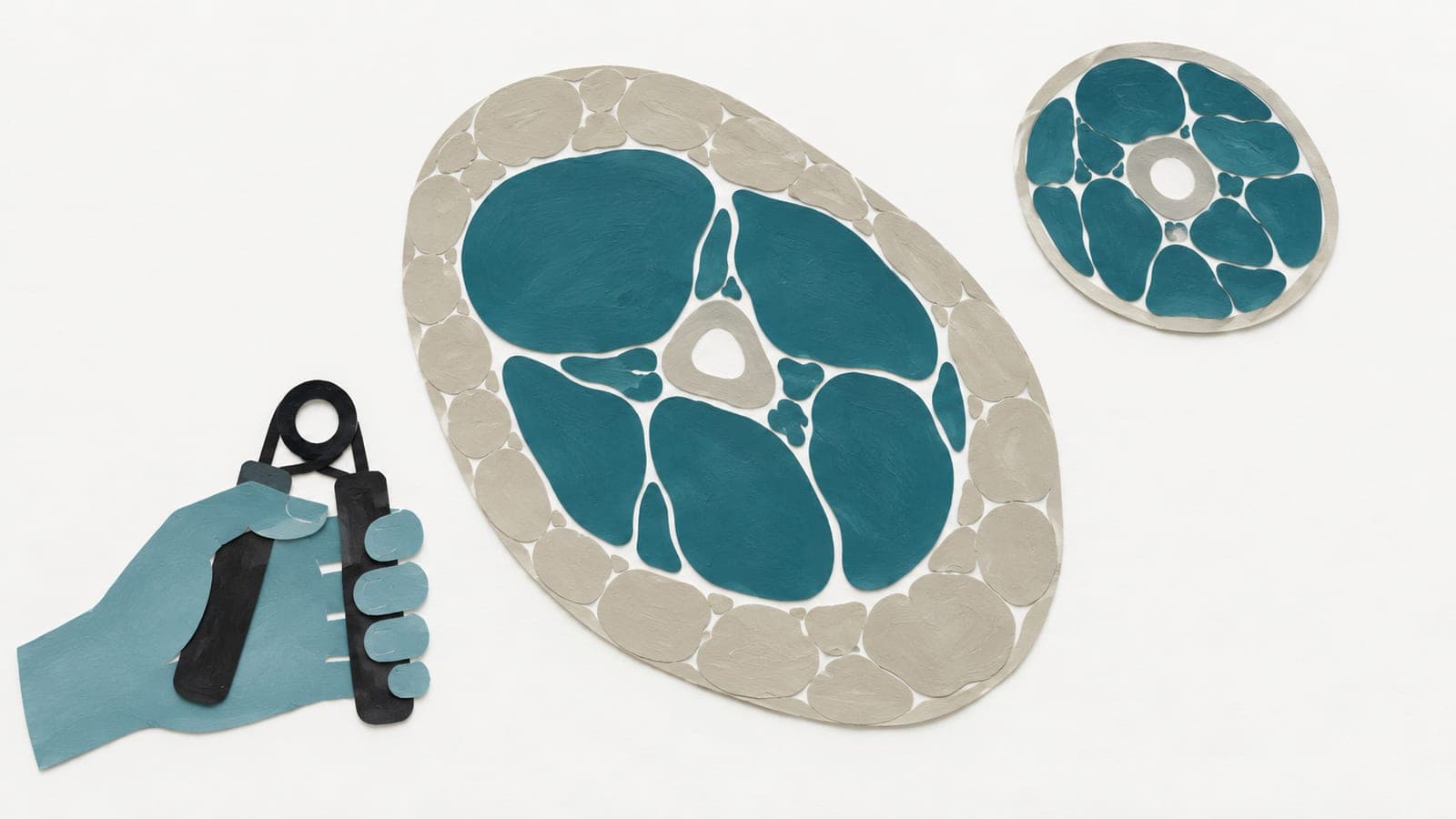
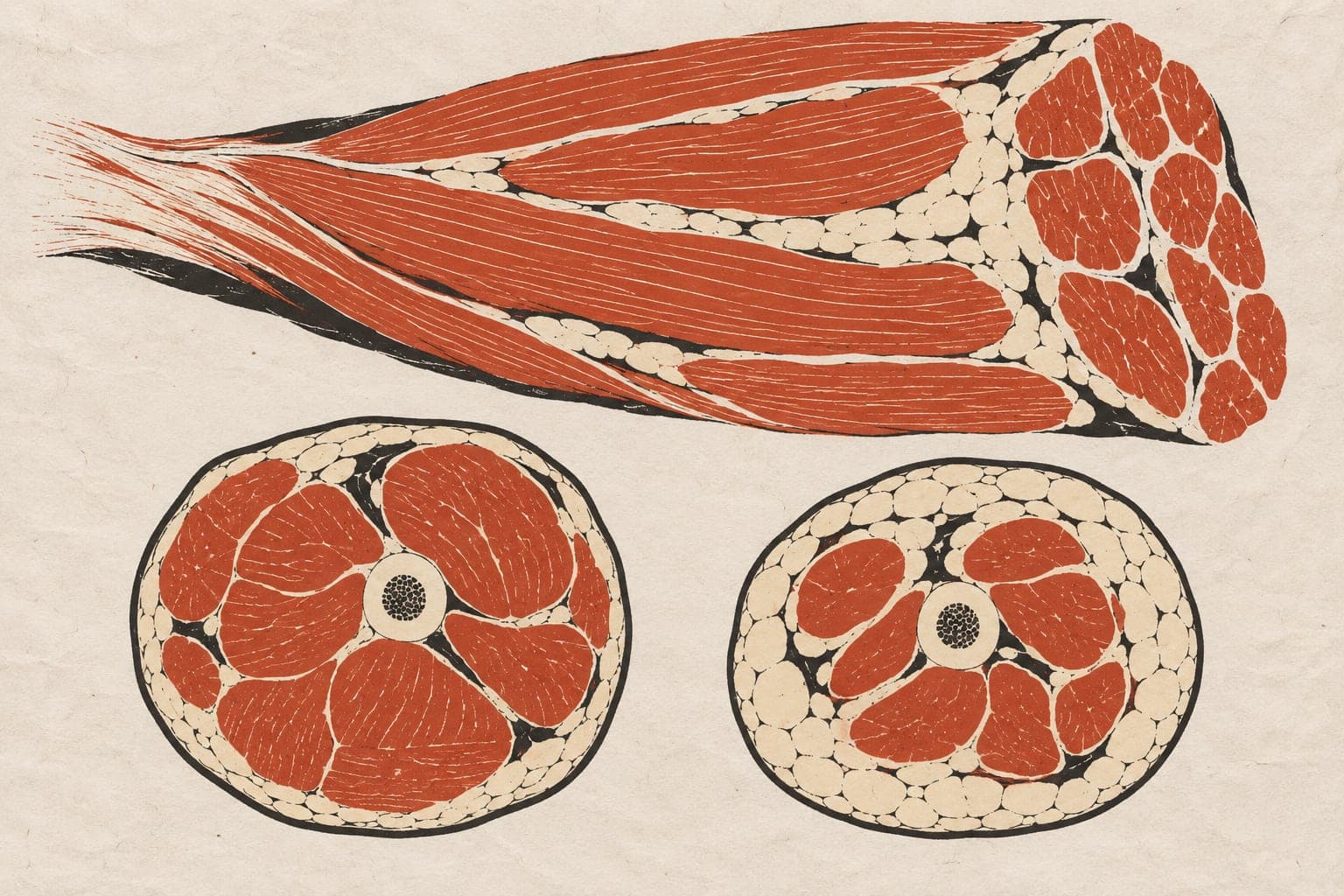
Sarcopenic obesity is a geriatric syndrome characterized by the coexistence of excess adipose tissue and decreased muscle mass and function. This condition is associated with altered body composition, functional decline, frailty, and increased fall risk, constituting an important public health problem in the older adult population, especially in rural communities. To evaluate the impact of sarcopenic obesity on body composition, functional performance, and fall risk in older adults living in rural communities in Ecuador. A cross-sectional observational study in 316 older adults (?65 years) living in rural communities in Ecuador. Participants were classified according to ESPEN/EASO criteria as having sarcopenic obesity, nonobese sarcopenia, obesity without sarcopenia, or neither sarcopenia nor obesity. Body composition was assessed using bioelectrical impedance, along with handgrip strength, gait speed, and fall risk using the Tinetti test. Statistical analysis included one-way ANOVA and post hoc tests (p<0.05). The prevalence of sarcopenic obesity was 2.5% (n=8). This group had the highest body fat percentage (50.59±9.59%), the lowest skeletal muscle mass (13.06±4.79 kg), and a significantly reduced basal metabolic rate (940 kcal/day). Functional dependence was greater in the groups with nonobese sarcopenia and obesity without sarcopenia (p=.043). In the sarcopenic obesity group, 37.5% had a high fall risk compared with 21% of the nonsarcopenic nonobese group (p=.095). Sarcopenic obesity is associated with unfavorable body composition and greater functional impairment in older adults from rural Ecuadorian communities. Assessment of body composition, complementary to body mass index, may facilitate early detection and guide interventions to preserve function and promote healthy aging.
The paper
Universidad Católica de Cuenca
Pacha Revista de Estudios Contemporáneos Del Sur Global, Oct 8, 2026, Open access, CC BY-NC-ND