SPA006 | CHRONIC KIDNEY DISEASE: OVERVIEW
Abstract
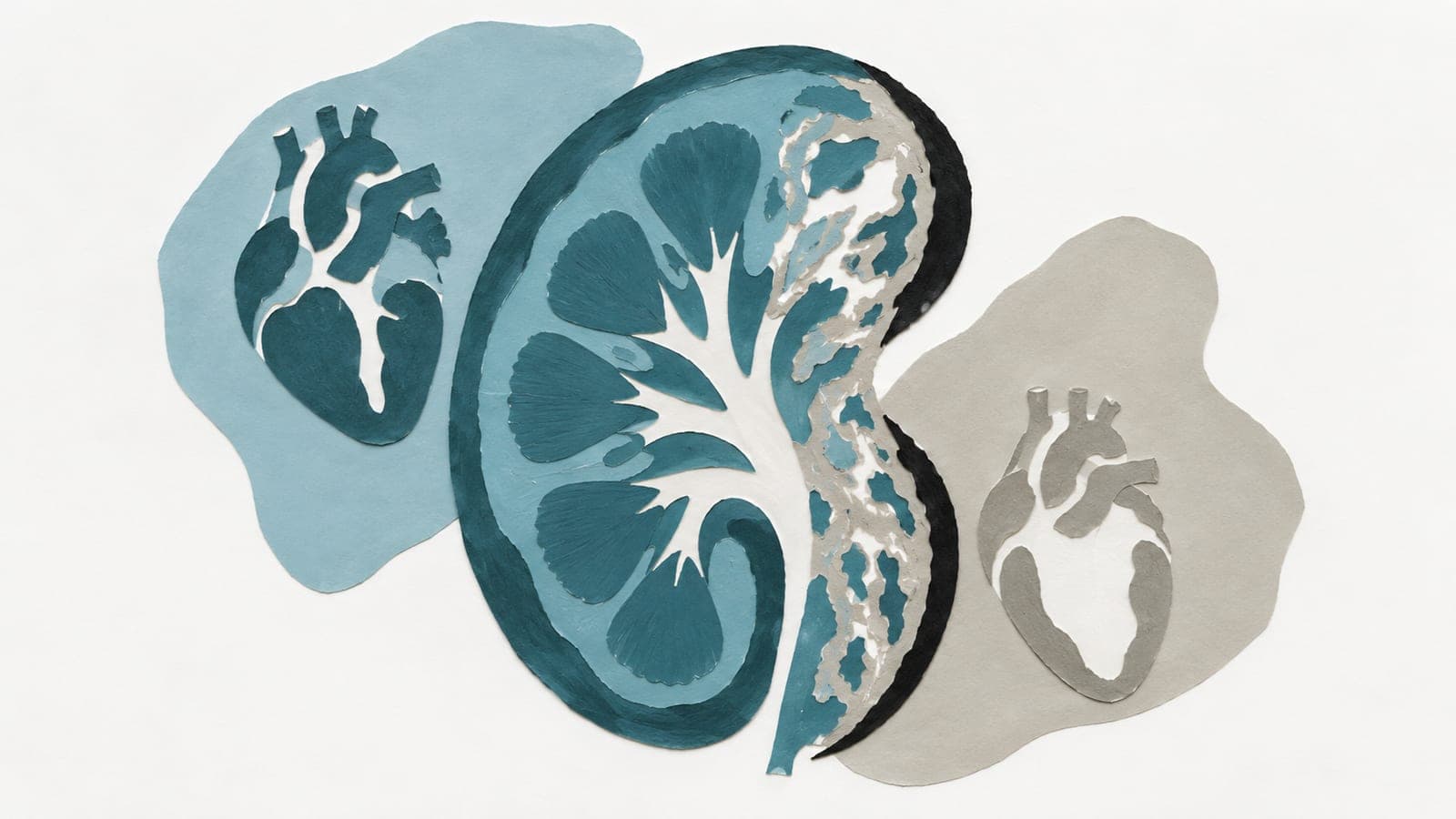
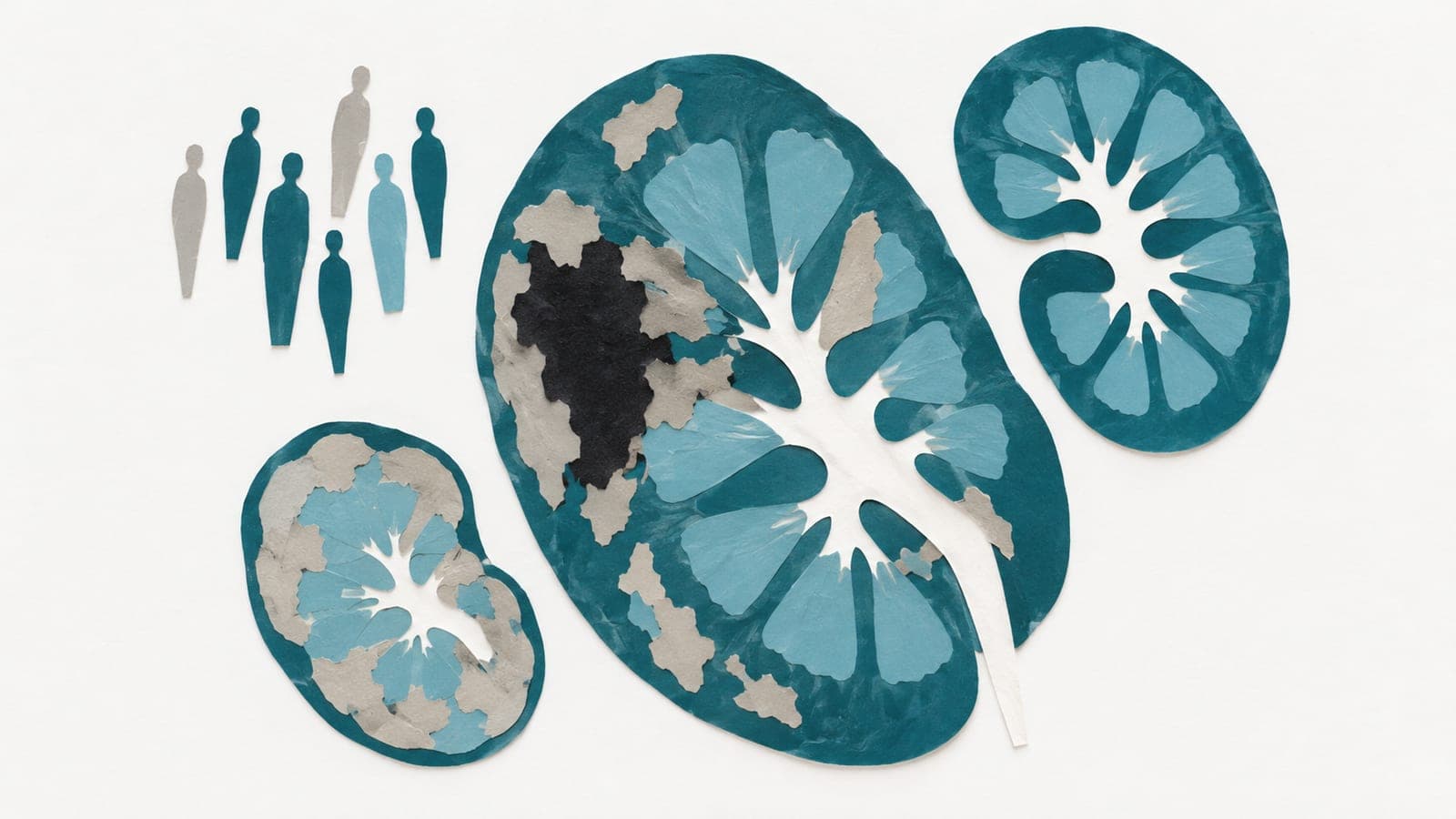
Chronic kidney disease (MRC) is the ninth leading cause of death worldwide and is estimated to become the fifth by 2040; this is probably an underestimate, given that a large proportion of cases go undiagnosed. Risk factors for MRC (hypertension and diabetes, as well as exposure to heat and other environmental factors) are increasing. There is an urgent need for better prevention, earlier diagnosis and more effective mitigation of risk factors, particularly in low- and middle-income countries. Advances in MRC detection include more accurate estimation of glomerular filtration rate (VFG) using cystatin C and recognition of albuminuria as a key marker for screening and risk stratification. Kidney biopsy is improving diagnostic accuracy and the ability to make prognostic predictions, while multi-omics approaches are expanding understanding of pathological mechanisms and offer promising prospects for precision medicine. New therapies, including SGLT2 inhibitors, nonsteroidal mineralocorticoid receptor antagonists and GLP receptor agonists, offer significant benefits in slowing MRC progression and improving cardiovascular outcomes, with combination strategies showing a potential additive effect. Furthermore, other therapies targeting B lymphocytes and complement-based therapies for the most common form of primary glomerulonephritis worldwide, such as IgA nephropathy (IgAN), are now available as therapeutic options capable of completely halting MRC progression. Consequently, the outlook for MRC treatment has undergone a radical transformation: there has been a shift from a paradigm centered on slowing the inevitable decline in kidney function to one focused on preserving eGFR and maintaining function, thus achieving what can be termed MRC remission. Extensive evidence supports the hypothesis that remission is achievable in a significant proportion of patients, even in the presence of established kidney disease and high-grade albuminuria. Given the profound implications of MRC remission for reducing the risk of premature mortality and kidney failure, it is thought that such remission will be recognized as a defined and achievable clinical goal. Unfortunately, the vast majority of patients with non-dialysis-dependent MRC (currently followed at Italian nephrology centers have a high-risk profile, paradoxically associated with marked therapeutic inertia regarding both traditional nephroprotective therapies and innovative therapies recommended by guidelines. Another important aspect concerns nutritional therapy in MRC. The Planetary Health Diet Index (PHDI), which favors plant-based foods and sustainable dietary patterns, may improve cardiometabolic health and reduce medication requirements. Greater adherence to the PHDI diet was independently associated with a lower medication burden in older adults with MRC. These findings suggest that sustainable, plant-centered dietary patterns may reduce the complexity of drug therapy in this vulnerable population. The current pharmacological paradigm shift introduces a new and broader standard of care, in light of the interaction with nutritional therapy, to optimize the overall approach to patients with chronic kidney damage. MRC should no longer be considered inevitably progressive and irreversible. Thanks to new therapies, particularly when used in combination, together with appropriate nutritional therapy, remission is a realistic and achievable goal for many patients. The nephrology community must now shift its attention from simply "slowing MRC progression" to pursuing this unprecedented opportunity: "maintaining kidney health".
- B lymphocyte-targeted therapies
- Complement-based therapies
- NR3C2
- SLC5A2
- Chronic kidney disease
- IgA nephropathy
The paper
Giornale Italiano Di Medicina Del Lavoro Ed Ergonomia, 1 Oct 2026, Open access, CC BY-NC