Machine Learning- and Deep Learning-Based Gait and Movement Analysis versus Standardized Clinical Fall-Risk Assessment Tools for Predicting Falls in Older Adults: A Systematic Review with Synthesis Without Meta-analysis (SWiM)
Independent replication
Abstract
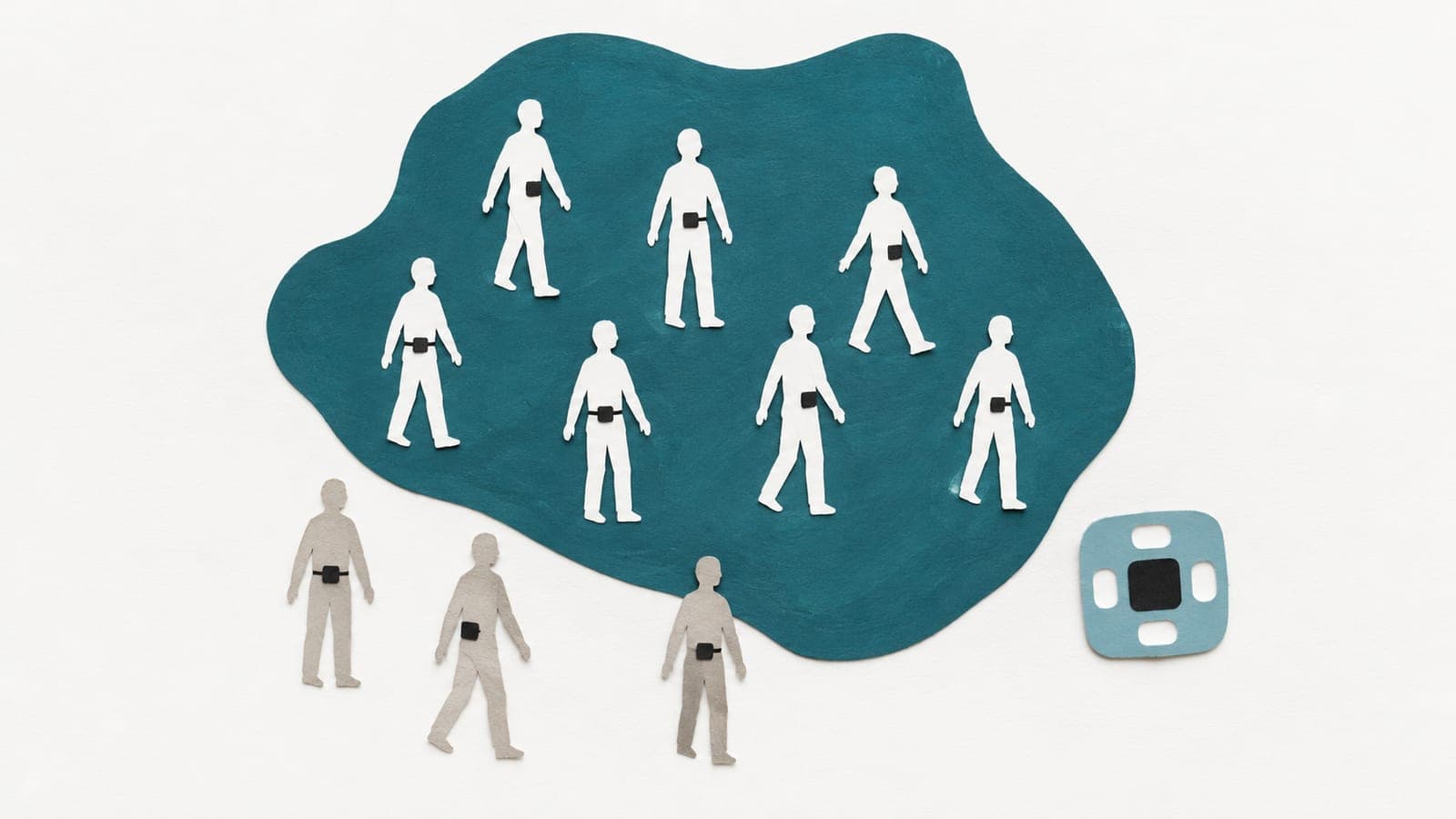
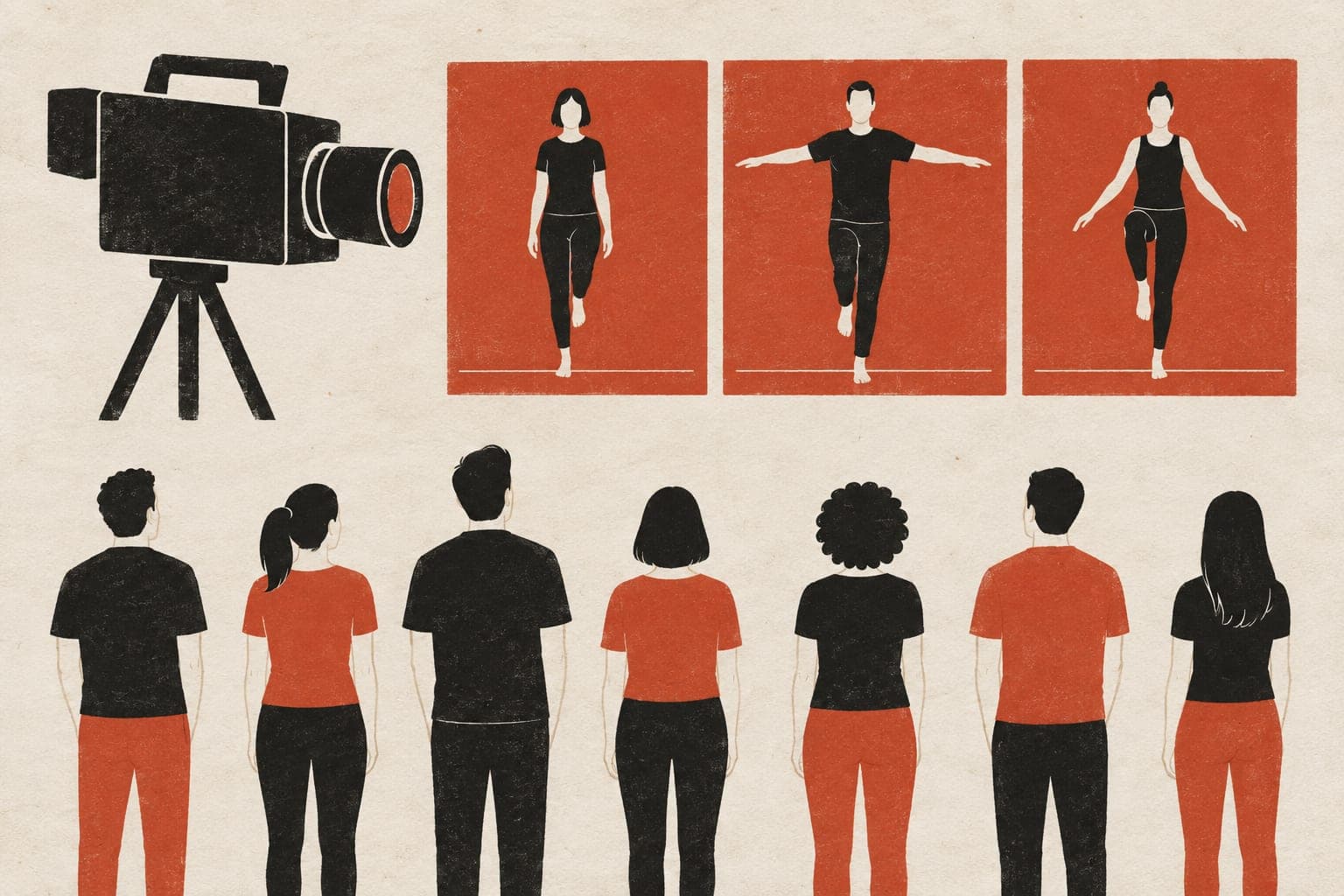
OBJECTIVE: Falls are a major cause of injury and death in older adults, and standardized fall-risk assessment tools, such as the Timed Up and Go test and the Berg Balance Scale, have shown limited and inconsistent predictive validity. Machine learning- and deep learning-based gait and movement analysis methods have been proposed as alternatives, but their advantages over standard assessment tools remain unclear. This study aimed to systematically identify and synthesize prospective cohort studies that directly compared the discriminatory accuracy of machine learning- and deep learning-based gait and movement analysis with standardized fall-risk assessment tools for predicting future falls within the same cohorts of older adults. However, because this comparison is based on a small number of small head-to-head studies, the following results should be interpreted as hypothesis-generating rather than confirmatory. METHODS: Following the PRISMA 2020 guidelines, searches were conducted in 5 databases—Academic Search Ultimate, CINAHL, Cochrane Library, PubMed, and Web of Science—as of July 10, 2026, the date the searches were performed. Because the reference standard was falls ascertained through follow-up, constituting delayed verification, the risk of bias in the comparisons was assessed using a modified application of QUADAS-C, an extension specifically designed for comparative diagnostic accuracy studies. As the included studies showed substantial heterogeneity in study settings, comparators, and methodology, synthesis was conducted according to the SWiM (Synthesis Without Meta-analysis) guidelines rather than by quantitative meta-analysis. RESULTS: Of 30 full-text articles assessed, 27 were excluded, and 3 studies (Band et al., 2026; Buisseret et al., 2020; Dasgupta et al., 2022) were ultimately included. In all three comparisons, the machine learning and deep learning index tests yielded numerically higher results than the standard assessment tools; two comparisons involved AUC differences (+0.168, +0.35), while the remaining comparison (Buisseret et al., 2020) was calculated as an accuracy difference (+0.093) and a prevalence-adjusted balanced accuracy difference (+0.1225) because the AUC of the machine learning and deep learning index test was not reported. The best-supported difference was observed for a language model fine-tuned on postural measurement metrics and basic demographic variables (AUC 0.88 versus 0.712 for the Berg Balance Scale), whereas the largest difference was observed for a convolutional-recurrent neural network (AUC 0.99 versus 0.64), but was based on data with only 14 fall events and feature selection performed outside the cross-validation procedure. The sign test for directional consistency was not significant (p = 0.25), which is the minimum attainable value with three studies. In all three studies, risk of bias was rated as high in the machine learning and deep learning index test domain and the comparability of index test assessments domain, while the remaining domains were rated as low, unclear, or high depending on the study. CONCLUSIONS: Machine learning- and deep learning-based gait analysis showed directionally higher performance in all comparisons, but the certainty of evidence according to GRADE criteria was rated as very low because of risk of bias, inconsistency, and imprecision. No study validated its model in an independent cohort, and the assessment conditions for the two index tests were not equivalent. Current evidence does not yet support the clinical superiority of machine learning- and deep learning-based approaches, and adequately powered, preregistered head-to-head studies are needed.
The paper
JOURNAL OF SPECIAL EDUCATION & REHABILITATION SCIENCE, 30 Sep 2026