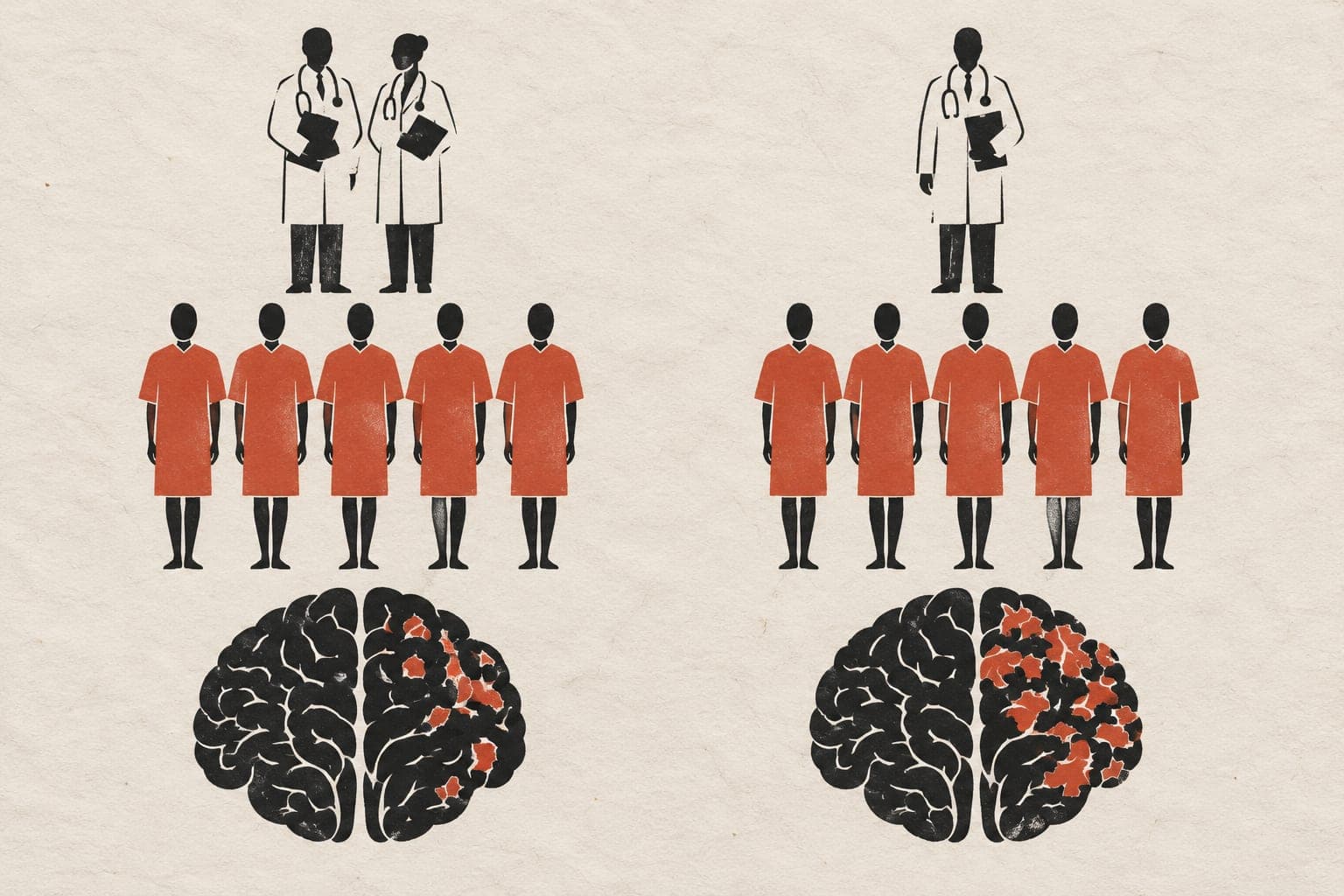
Early health changes linked to hospital falls in older adults
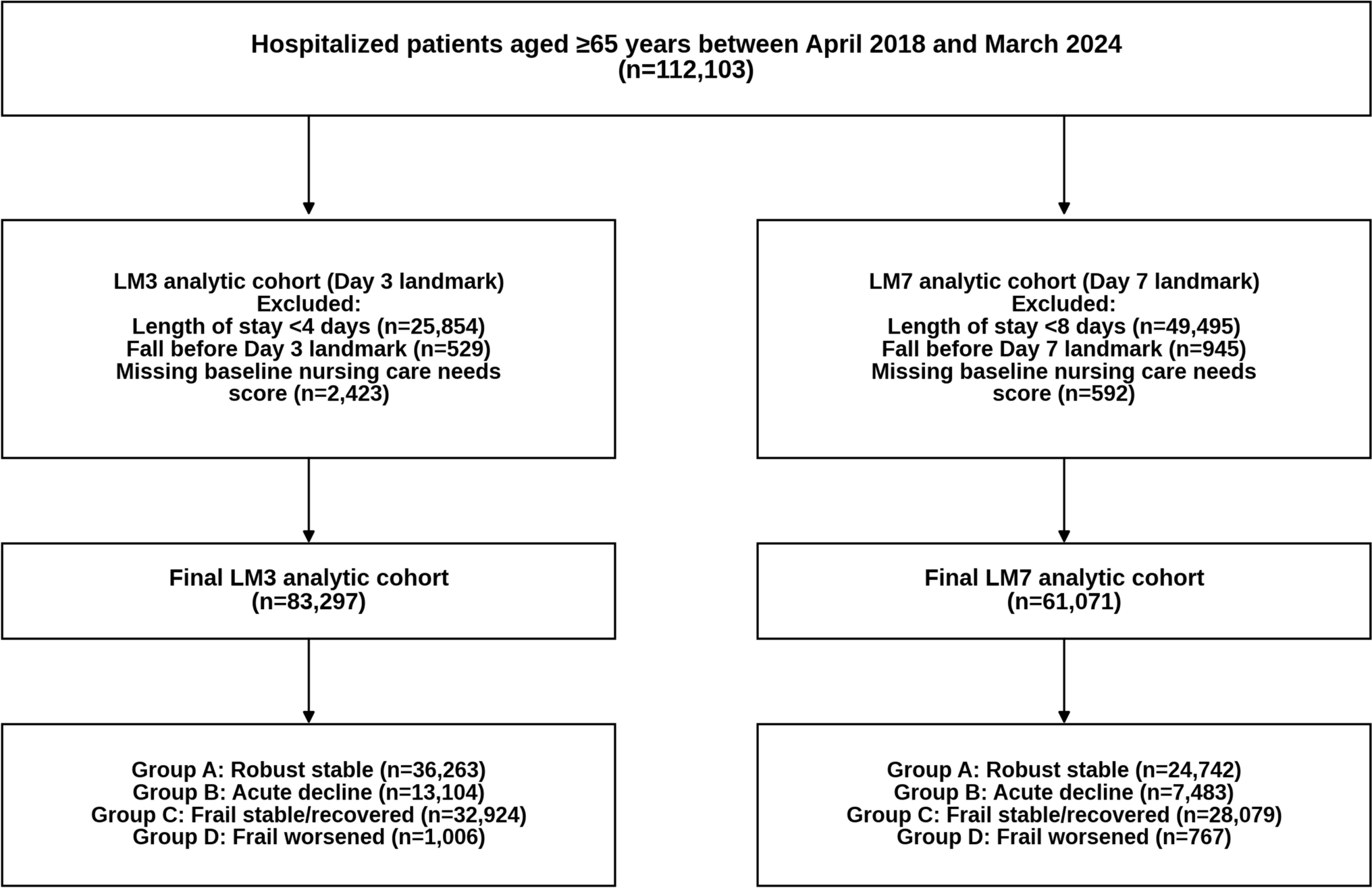
A retrospective cohort study of 83,297 patients assessed on hospital day 3 and 61,071 on day 7 linked early changes to subsequent falls.
European Geriatric Medicine
Researchers conducted a retrospective cohort study of patients aged 65 to 106 at two tertiary hospitals in Japan, using records from 2018 to 2024. They assessed changes from admission to hospital days 3 and 7 in transfer ability—the ability to move between surfaces—and selected blood measures. They tracked the first documented hospital fall within 30 days of each assessment.
Persistent or worsening difficulty with transfers was linked to higher fall risk at both assessments. Acute decline in transfer ability was linked to higher risk at day 7, but not day 3. Declines in haemoglobin, the oxygen-carrying protein in red blood cells, and sodium, a mineral, were independently linked to higher fall risk. Changes in albumin, a blood protein, were not. The findings held across additional analyses.
Why it matters
For fall prevention in older adults, the authors suggested that reassessment on hospital days 3 and 7 may complement admission checks and help guide timely prevention.
Caveats
This observational study cannot show that the changes caused falls or that reassessment would prevent them. It relied on documented falls in records from two Japanese hospitals.
The paper
Show 8 more authors
Nari Tanabe, Fumiko Yamaguchi, Hiroki Ito, Shizuka Soh, Ayako Yano, Masako Mizuno, Chol Kim, Yosuke Ishii,Nippon Medical School
European Geriatric Medicine · 7 Oct 2026