IKKε inhibition by amlexanox ameliorates high glucose-mediated endothelial senescence via the NF-κB/iNOS and AKT/eNOS signaling pathways
Abstract
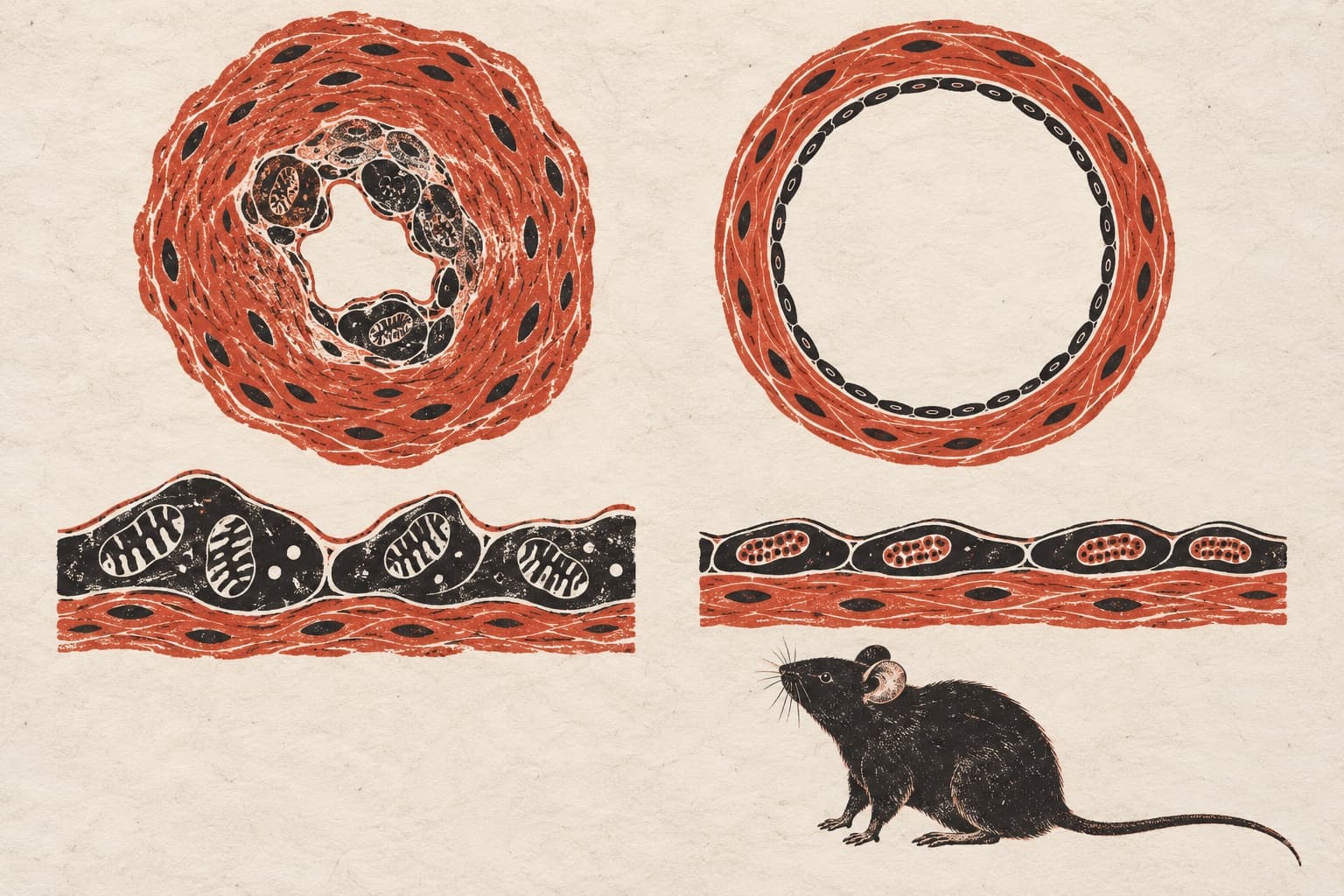
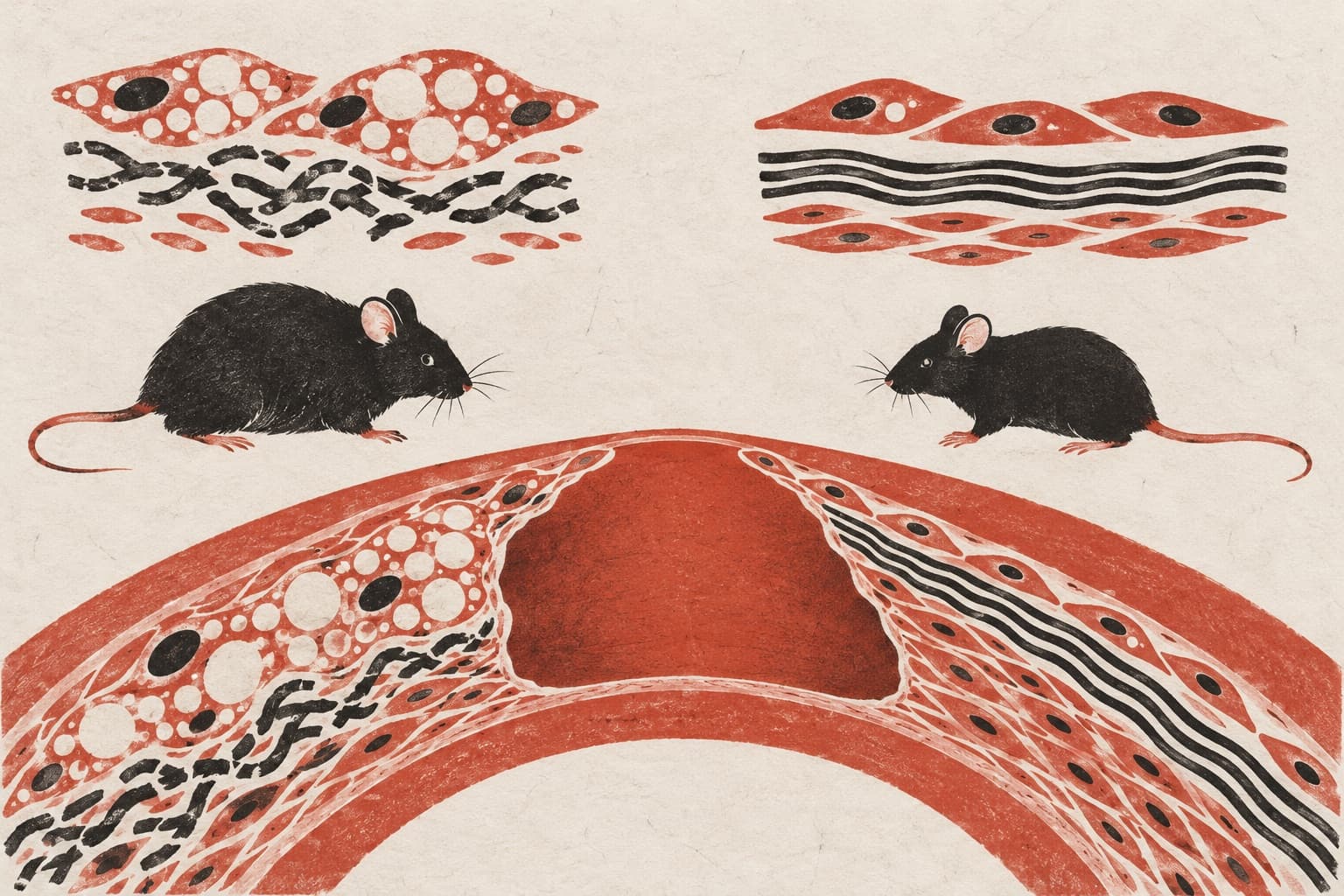
Abstract High glucose (HG)-induced endothelial cell senescence can induce atherosclerosis and is closely related to the vascular complications of diabetes. Amlexanox (AM), a selective IKKε inhibitor, can protect against metabolic diseases. This study examined how amlexanox inhibits endothelial senescence under high glucose conditions and explores its mechanisms of action .. HUVECs were incubated with HG (33 mmol/L), and then IKKε was targeted with shRNA lentivirus transfection or treatment with amlexanox. Cellular senescence indicators were examined by SA-β-gal staining, reactive oxygen species (ROS) measurement with dihydroethidium, and determining intracellular and serum levels of nitric oxide (NO). The levels of proteins related to the NF-κB/iNOS and AKT/eNOS pathways were assessed through Western blot analysis.. In this study, we found that high glucose promoted cell senescence, significantly increased ROS levels and decreased NO formation, and these effects were prevented by IKKε silencing and amlexanox treatment. In addition, high glucose decreased the phosphorylation of AKT/eNOS and increased the phosphorylation of NF-κB/iNOS in HUVECs, resulting in an imbalance in the p-eNOS/p-iNOS ratio. These trends were reversed by IKKε inhibition. Thus, amlexanox can target IKKε to alleviate HG-induced endothelial senescence by normalizing the NF-κB/iNOS and AKT/eNOS signaling pathways.
The paper
Jinan University; China Three Gorges University
Research Square, Mar 23, 2023, Open access, CC BY, Preprint, not peer-reviewed