Targeting EP2 receptor improves muscle and bone health in dystrophin-/-/utrophin-/- double knockout mice
Abstract
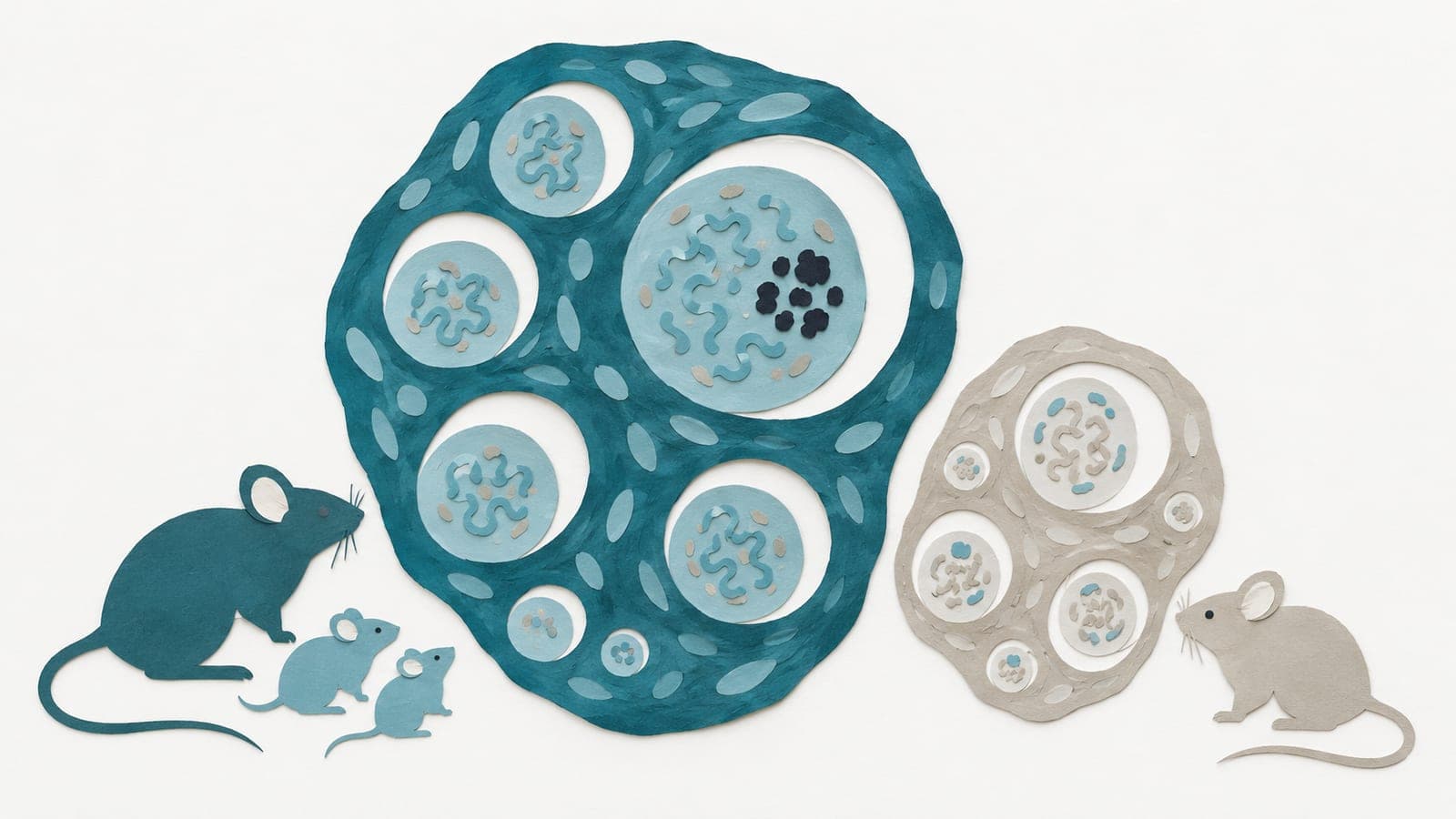
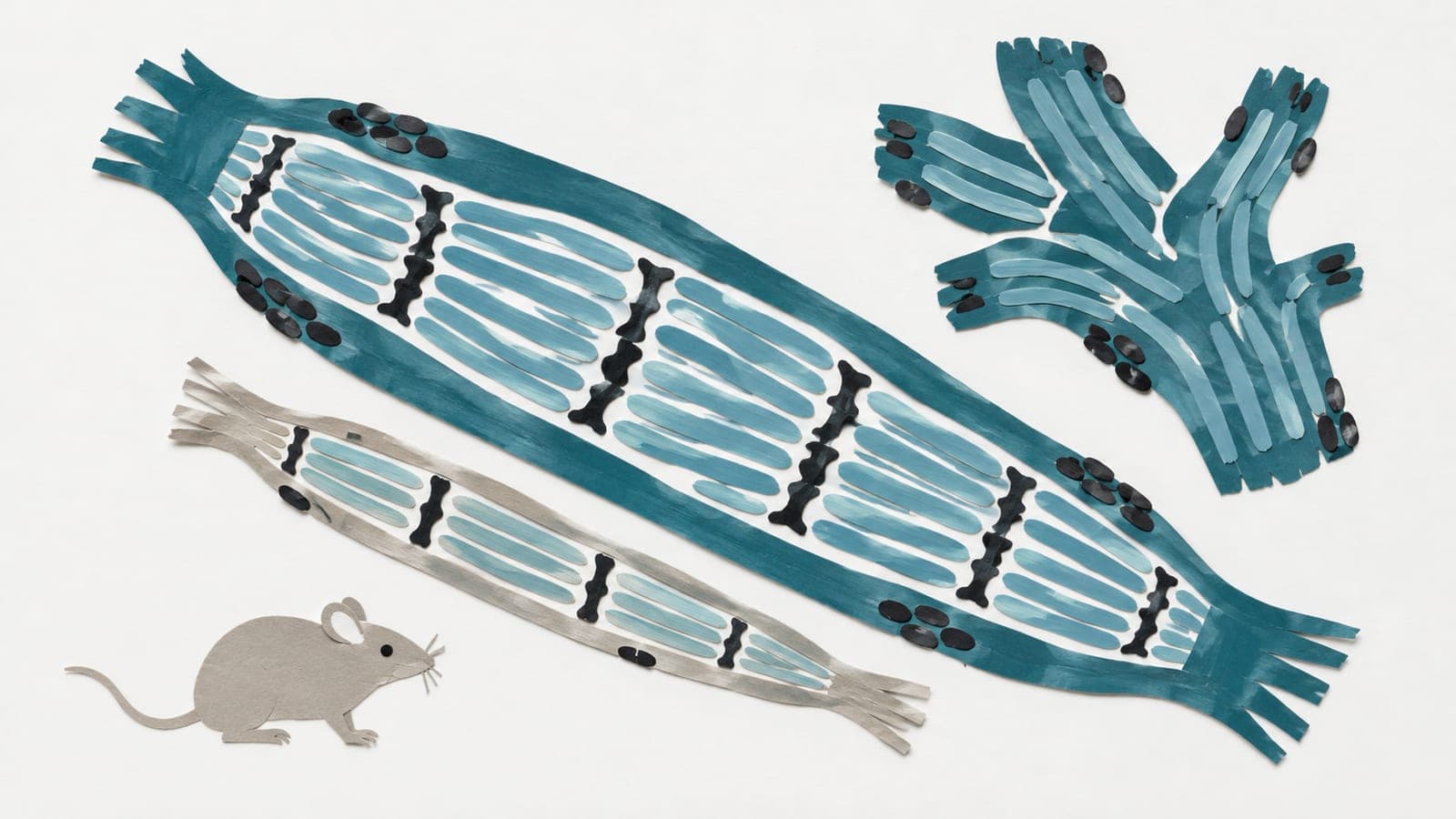
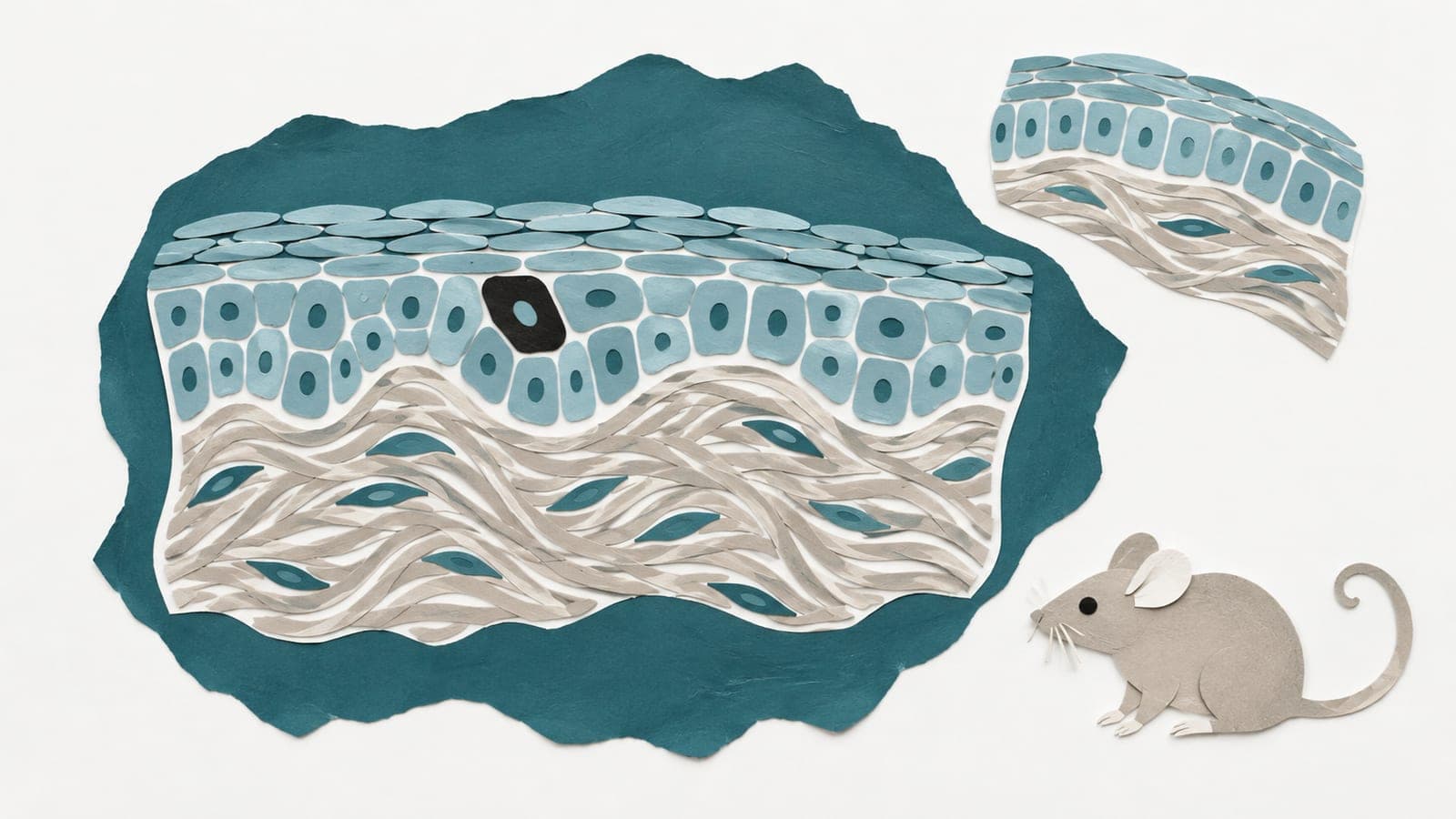
Duchenne muscular dystrophy (DMD) is a severe genetic muscle disease due to mutations of dystrophin gene. There is no cure for DMD. Using a dystrophin-/-utrophin-/- (DKO-Hom) mouse model, we investigated the PGE2/EP2 pathway in the pathogenesis of dystrophic muscle and its potential as a therapeutic target. We found that Ep2, Ep4, Cox-2, 15-Pgdh mRNA, and PGE2 are significantly increased in DKO-Hom mice compared to wild-type (WT) mice. The EP2 and EP4 receptors are mainly expressed in CD68+ macrophages and are significantly increased in the muscle tissues of both dystrophin-/- (mdx) and DKO-Hom mice compared to WT mice. Osteogenic and osteoclastogenic gene expression in skeletal muscle also increased in DKO-Hom mice, which correlates with severe muscle heterotopic ossification (HO). Treatment of DKO-Hom mice with the EP2 antagonist PF04418948 for 2 weeks, increased body weight, reduced HO and muscle pathology by decreasing both total macrophages (CD68+) and senescent macrophages (CD68+P21+), while increasing endothelial cells (CD31+). PF04418948 also increased bone volume/total volume (BV/TV), trabecular thickness (Tb.Th) of the tibia trabecular bone and the cortical bone thickness of both the femur and tibia without affecting spine trabecular bone microarchitecture. In summary, our results indicate that targeting EP2 improves muscle pathology and maintains bone mass.
The paper
Preprints.org, 4 Nov 2024, CC BY, Preprint, not peer-reviewed