Inflammation Cycling
Abstract
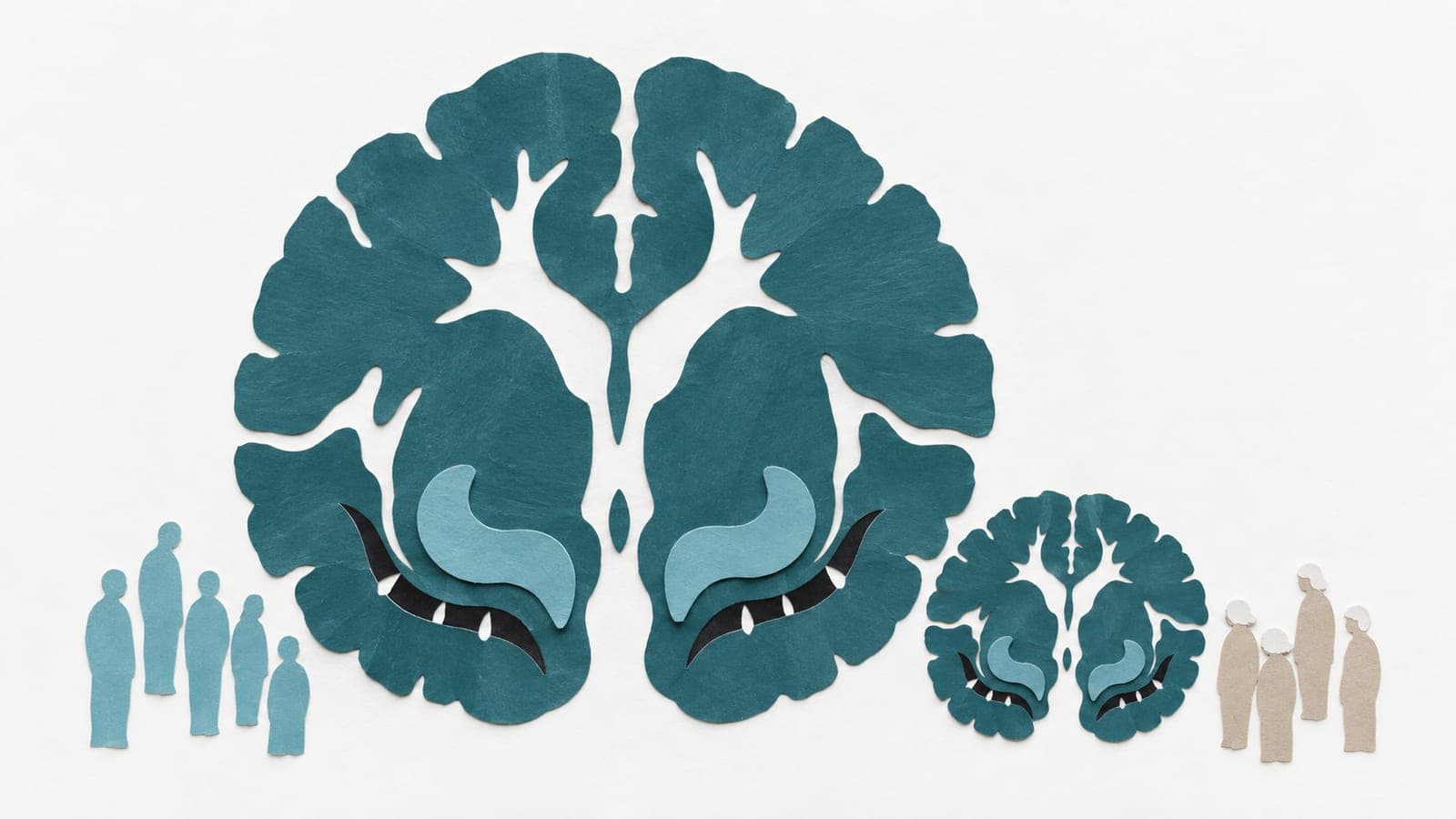
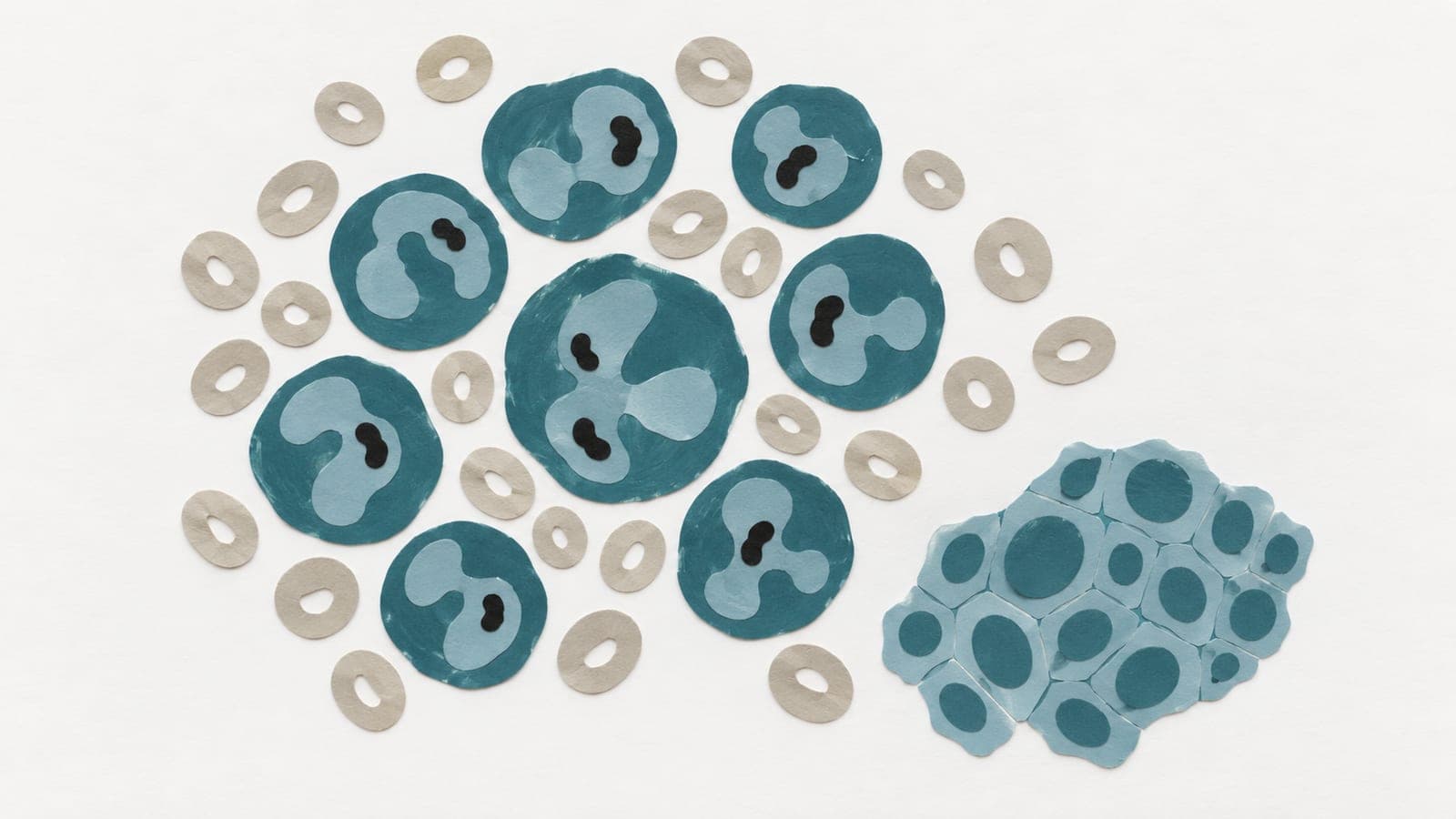
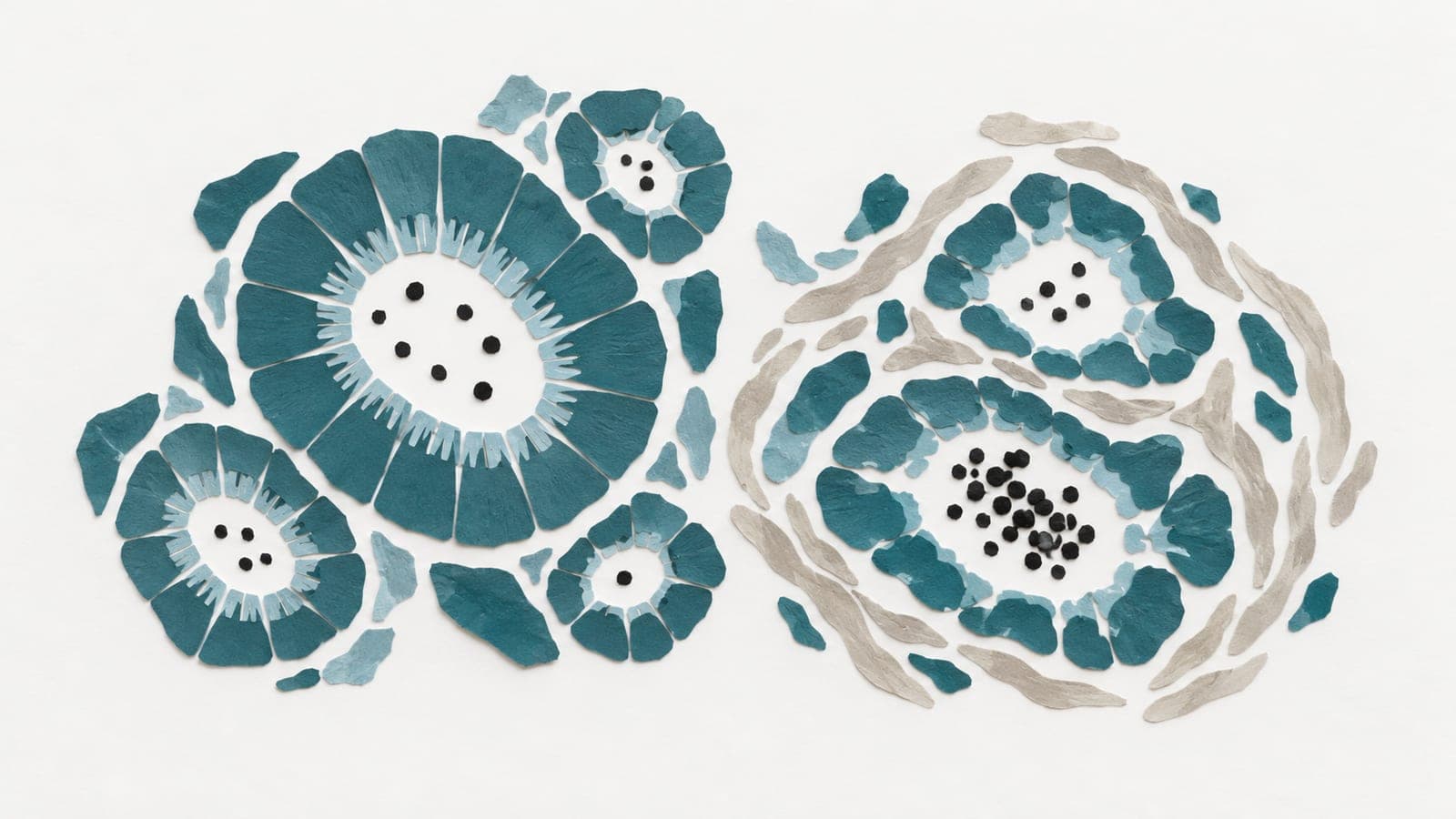
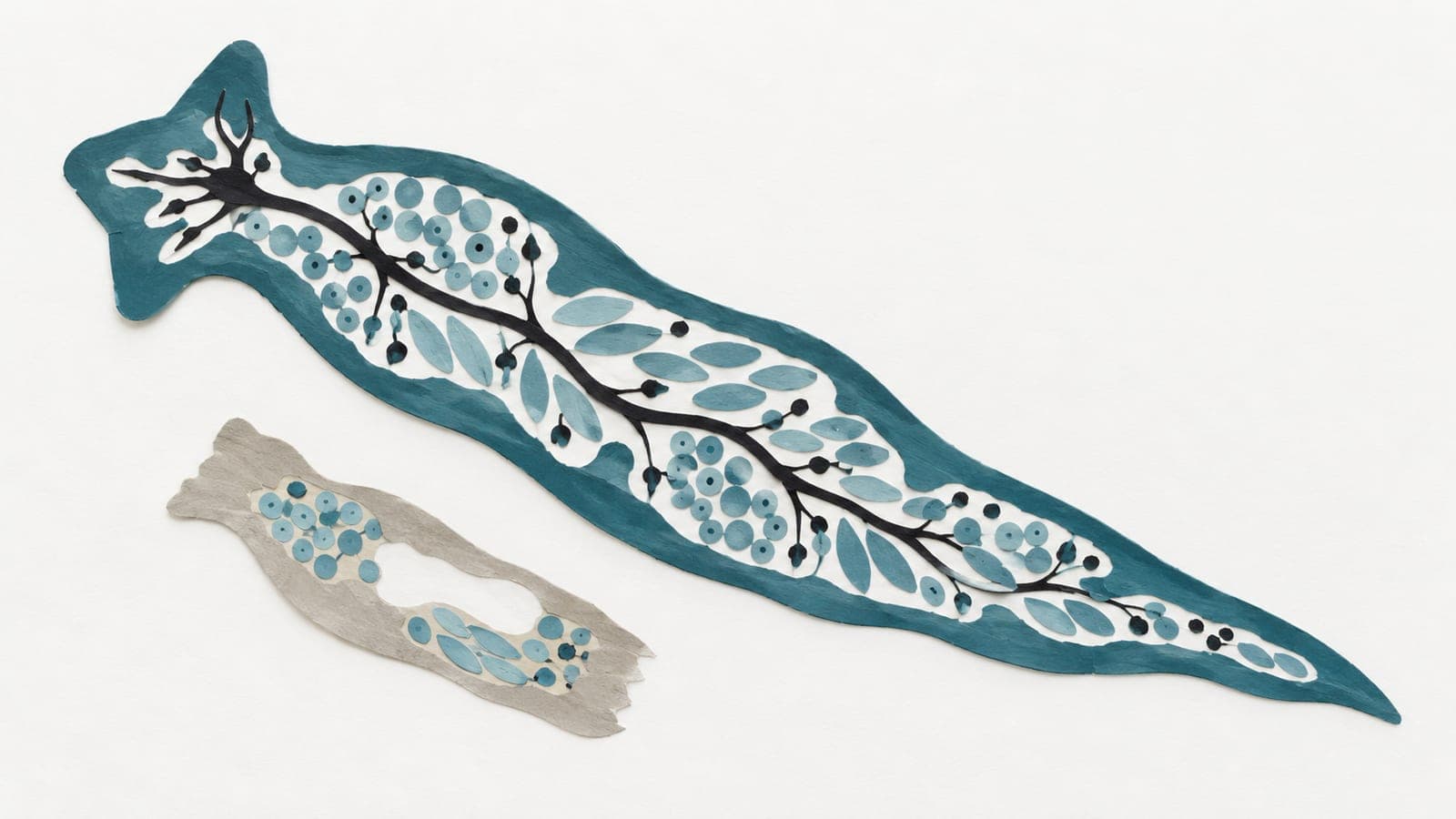
Inflammation Cycling is a large applied human-sciences compendium and theoretical framework organized around one central biological claim: health, adaptation, cognition, muscle growth, recovery, and long-term physiological resilience depend not on suppressing inflammation, but on cycling correctly between inflammatory stimulus and anti-inflammatory resolution. The work treats inflammation as a biological signal rather than a simple pathology. Inflammation breaks, recruits, mobilizes, clears, stimulates, and remodels. Anti-inflammation resolves, protects, differentiates, consolidates, and restores. The book’s central opposition is therefore not “inflammation bad, anti-inflammation good,” but mis-timed inflammation versus correctly timed inflammation. A pro-inflammatory state can be constructive when it follows exercise, tissue damage, infection pressure, wound healing demand, angiogenic need, or hypertrophic stimulus. An anti-inflammatory state can be constructive when the organism needs resolution, neuroprotection, sleep support, antioxidant defense, mitochondrial preservation, pain control, or recovery. Damage begins when either side becomes chronic, mistimed, excessive, or biologically mismatched. The book applies this cycling principle across a wide range of biological domains: skeletal muscle growth, myogenesis, mechanotransduction, satellite cells, myonuclei, myofibrils, muscle fiber types, cytokines, macrophages, myokines, adipokines, angiogenesis, autophagy, mitochondria, mitohormesis, nociception, antinociception, muscle fibrosis, lipid accumulation, stem-cell senescence, lactic-acid training, neurodegeneration, consciousness, engrams, sleep, brain waves, error-related negativity, cognitive dissonance, dietary fatty acids, probiotics, fibers, short-chain fatty acids, adipogenesis, lipolysis, fasting, food neuroscience, neuromuscular junctions, tendon injury, photobiomodulation, aromatherapy, phytoncides, forest bathing, music, and structured exercise protocols. The practical architecture of the work is divided into Pro-Inflammation Cycles and Anti-Inflammation Cycles. Pro-inflammatory cycles are treated as tools for muscle repair, hypertrophy, angiogenesis, immune recruitment, controlled tissue stress, and adaptive remodeling. Anti-inflammatory cycles are treated as tools for neural protection, pain reduction, oxidative control, recovery, sleep support, psychological cooling, and long-term preservation. The framework is especially concerned with timing: when to stimulate, when to resolve, when to train hard, when to deload, when to use antioxidants, when to avoid them, when to support inflammation, and when to suppress it. A major portion of the book centers on exercise adaptation. It argues that different training methods create different damage profiles and therefore require different recovery windows. Eccentric work, superslow training, high-load work, lactic-acid training, cardiovascular training, warmup-percentage work, explosive training, isometrics, deloading, detraining, and vascular conditioning are all interpreted through their inflammatory and regenerative consequences. The work distinguishes hypertrophy from hyperplasia-like regeneration, early myogenic repair from later differentiation, slow-twitch from fast-twitch recovery, and useful inflammation from the destructive accumulation of unrecovered tissue damage. The book also treats the nervous system as part of the same cycle. Inflammation is linked to cognition, affect, error detection, sleep, neurodegeneration, memory, engrams, brain waves, heart-rate variability, pain processing, and inhibitory control. Error-related negativity becomes one of the bridge concepts between physiology and psychology: the biological signal of mistake detection, cognitive correction, and self-regulation. In this sense, Inflammation Cycling is not only a fitness or supplementation book. It is an early biological theory of correction: the body learns, repairs, adapts, and remembers through repeated cycles of stress and resolution. The microbiome is another major axis. Probiotics, fibers, short-chain fatty acids, microbial intelligence, panspermia, viruses, and gut-brain signaling are treated as part of the organism’s regulatory substrate. The microbiome is not framed as a passive digestive accessory, but as a metabolic, immune, neurological, and behavioral influence that shapes inflammation, cognition, recovery, and personality expression. This makes the work a precursor to the later chromatic and life-validity papers, where biological substrate, microbial inheritance, inflammation, and personality become part of the same continuity problem. The book is also a research map. It compiles and comments on large numbers of scientific abstracts, using them as “PubMed Journeys” to build an autodidactic framework for applied biology. Its goal is not to present itself as a conventional medical textbook, but as a structured archive of research connections: a way for a non-specialist reader to enter dense biomedical literature and begin seeing relationships between muscle, brain, immune system, metabolism, training, diet, plants, supplements, sleep, pain, and adaptation. At its deepest level, Inflammation Cycling is about biological rhythm. Tissue cannot grow without damage. Damage cannot remain useful without resolution. The brain cannot adapt without stress. Stress cannot remain adaptive without inhibition. The immune system cannot protect without aggression. Aggression becomes disease if it cannot stop. The organism survives by alternating between challenge and repair, heat and cooling, signal and silence, wound and closure. The book’s unifying claim can be compressed this way: Inflammation is the biological call to change. Anti-inflammation is the biological permission to complete that change. Health is the rhythm between them.
The paper
Preprint, 1 Jan 2026, CC BY-ND, Preprint, not peer-reviewed